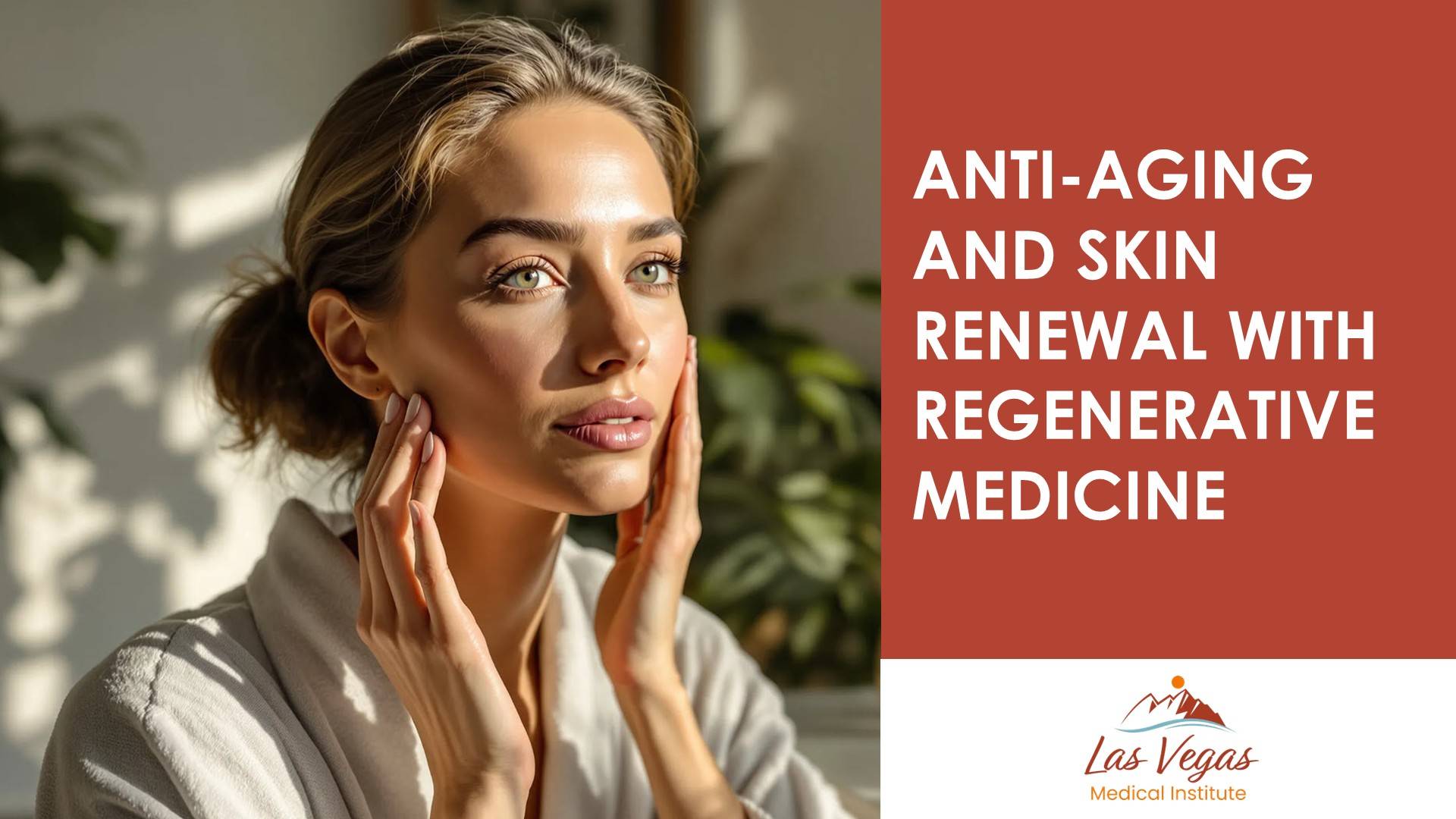
Regenerative medicine anti-aging skin renewal provides a cutting-edge, non-surgical path to restore a more youthful appearance. These treatments reverse visible signs of aging, and boost natural healing for healthier, firmer skin.
By leveraging advanced therapies like platelet-rich plasma (PRP) and exosome treatments, it's now possible to tackle wrinkles, volume loss, sun damage, and reduced skin quality at their cellular root cause, without invasive cosmetic surgery. From improved collagen production and faster wound healing to a smoother, hydrated complexion, these regenerative approaches offer renewed confidence and real results.
Key Takeaways of Anti-Aging Regenerative Medicine
Regenerative medicine anti-aging skin renewal uses advanced therapies like PRP and exosomes to naturally restore youthful skin without surgery.
Treatments target cellular causes of aging, improving collagen production, skin texture, and reducing wrinkles for healthier, firmer skin.
PRP and exosome therapies are effective, minimally invasive options backed by strong safety profiles and rapid visible results.
Personalized treatment plans crafted by Board-Certified Medical Doctors ensure optimal results tailored to individual skin needs.
Aging skin is shaped by more than genetics, daily exposure, environmental stress, and gradual loss of cellular energy all play a role. Intrinsic aging refers to the natural process where skin cells, collagen, and elastin begin to decline. Over time, this leads to thinner, drier, and less resilient skin, often resulting in fine lines and a dull complexion.
Extrinsic aging, on the other hand, is driven by environmental factors like UV radiation, pollution, and chronic inflammation. These external stressors accelerate degradation of collagen and elastin, contributing to uneven tone, dark spots, wrinkles, and poor wound healing.
Eventually, the key factors in the aging process include slowed cellular turnover, decreased growth factors, reduced fibroblast activity, and the impact of free radicals. As muscle mass and skin's moisture barrier diminish, most people experience decreased skin elasticity and greater sensitivity, making both prevention and targeted intervention crucial for achieving a more youthful appearance.
What Is Regenerative Medicine in Skin Care?
Regenerative medicine in skin care uses the body's own cellular biology to repair, renew, or replace damaged tissues at the cellular level. Instead of temporary fillers or surface-level creams, regenerative medicine seeks to stimulate healing from within, restoring youthful functionality to skin cells, muscle cells, and underlying structures.
Key approaches in this emerging field focus on boosting natural growth factors, encouraging healthy skin cell turnover, and reversing signs of aging through targeted therapies like PRP and exosomes. Unlike traditional treatments, which often mask symptoms, these procedures aim to address the root causes of skin aging, empowering lasting change and a more natural, youthful glow.
While other regenerative treatments such as prolotherapy, amniotic membrane injections, hyaluronic acid injections, microfragmented adipose tissue, BMAC, and physical therapy exist, the most accessible and studied alternatives available here are PRP therapy and exosome therapy.
Key Regenerative Treatments for Skin Renewal
Innovations in regenerative medicine have made non-surgical skin renewal more effective and accessible for older adults or anyone wanting to slow visible aging.
The two most prominent options, platelet-rich plasma (PRP) therapy and exosome therapy, are redefining anti-aging treatments for the face, neck, and body. These treatments leverage growth factors, cell signaling, and tissue engineering to repair damaged cells, stimulate new collagen, and create lasting improvements in texture, tone, and vitality.
Stem Cell Therapy and Skin Health
Although stem cell therapy is a cornerstone of regenerative medicine in other fields, traditional stem cell treatments for skin renewal, such as those using embryonic stem cells, mesenchymal stem cells, or amniotic stem cells, are not FDA-approved for cosmetic skin applications in the United States. Research shows these treatments hold great promise by releasing growth factors and supporting cellular regeneration. But, the only FDA-approved stem cell products currently involve umbilical cord blood for certain blood disorders.
Instead, treatments like PRP and exosomes provide readily accessible, evidence-based alternatives to stem cell therapies for those seeking anti-aging results. By harnessing similar biological principles (cell signaling, wound healing, tissue regeneration), these therapies offer real results without the uncertainties or regulatory barriers of traditional stem cell approaches.
Platelet-Rich Plasma (PRP) Treatments
PRP therapy uses your own blood to target age-related skin changes. After a small blood draw, the sample is spun in a centrifuge to separate out the platelet-rich fraction, concentrating powerful growth factors that drive tissue repair and cell turnover. These growth factors, including platelet-derived growth factor (PDGF), epidermal growth factor (EGF), and transforming growth factor (TGF-beta), promote new collagen formation, skin cell activation, and enhanced elasticity.
PRP can be injected directly into areas of concern, used with microneedling to maximize penetration, or applied topically for wound healing. Many patients notice smoother texture, fewer wrinkles, and improved pigmentation within weeks to months. As a minimally invasive procedure using the patient's own tissue, PRP offers a favorable safety profile with little downtime and is a popular choice for those wanting natural rejuvenation.
Microneedling and Growth Factors
Microneedling involves using a specialized device to create thousands of micro-injuries in the skin, prompting the body's natural repair response. When paired with PRP or exosome-rich serums, these channels allow concentrated growth factors deep access to underlying skin layers, further amplifying regeneration.
In clinical trials, microneedling with PRP or exosomes significantly improves collagen synthesis, enhances hydration, and speeds up the healing of scars or sun damage. Growth factors like EGF, FGF (fibroblast growth factor), and VEGF (vascular endothelial growth factor) drive renewal of not just skin cells but also supporting structures. This gives a visible lift and more youthful skin tone. Microneedling can address wrinkles, acne scars, age spots, and laxity, making it a powerful partner in the anti-aging toolkit.
Benefits and Risks of Regenerative Skin Therapies
The benefits of regenerative skin therapies extend far beyond the surface. Because PRP and exosome treatments work at the molecular and cellular levels, they help trigger the body's own production of collagen, elastin, and essential growth factors. Patients commonly report a dramatic improvement in skin texture, reduced fine lines, faster wound healing, and radiant hydration. Growth factor-rich therapies also aid recovery after laser procedures or surgery, minimize inflammation, and can even support hair follicle regeneration for those experiencing hair loss.
Risks are generally mild and manageable. The most common side effects are temporary swelling, redness, mild discomfort, or bruising at injection sites. Rarely, minor irritation or pigmentation changes may occur, but these usually resolve quickly. Since PRP uses a patient's own blood, the chance of allergic reaction is extremely low. As with any procedure involving blood products or injections, there is a minor risk of infection, but this is minimized in a medical office setting with strict sterile technique. Consulting the medical team about your full medical history and medication use is important to ensure the safest outcome.
Choosing the Right Approach: Factors to Consider
Selecting the appropriate regenerative skin treatment depends on individual factors, including your skin type, the severity of aging changes, tolerance for downtime, and specific cosmetic goals. Some patients may respond best to a series of PRP microneedling sessions to address overall tone and texture, while others benefit from focused exosome therapy for targeted repair and hydration. Downtime is generally minimal, with most returning to normal routines within a day or two.
A comprehensive assessment of your skin's biology, lifestyle, and medical history is the foundation of effective, customized treatment planning. Combining approaches, such as PRP plus microneedling, or alternating exosome applications with medical-grade skincare, often produces the best results. For optimal safety and effectiveness, consultation with a Board-Certified Medical Doctor is recommended to determine which regenerative treatment option is appropriate for your specific condition and goals.
The Future of Anti-Aging and Regenerative Skin Medicine
Advances in regenerative medicine and anti-aging treatments are rapidly transforming what's possible for skin renewal. Research continues to unlock new sources of healing, from improved exosome formulations and next-generation growth factors. Deeper insights into how the immune system, stem cell signaling, and tissue engineering impact the aging process. Many clinical trials now focus on perfecting delivery methods, optimizing dosages, and expanding the range of treatable concerns.
With every year, personalized regenerative medicine, built around an individual's unique genetics, biology, and lifestyle, becomes more accessible and effective. Treatments are moving beyond basic symptom management to address the underlying cellular mechanisms that lead to visible aging, offering renewed hope for a more vibrant, healthier future at any age.
Frequently Asked Questions About Anti-Aging and Skin Renewal with Regenerative Medicine
What is regenerative medicine anti-aging skin renewal?
Regenerative medicine anti-aging skin renewal uses advanced therapies such as PRP and exosomes to restore youthful skin. Treatment results come from stimulating natural healing, collagen production, and cellular repair. These non-surgical treatments address wrinkles, volume loss, sun damage, and poor skin quality at the source.
How do platelet-rich plasma (PRP) and exosome therapies work for skin rejuvenation?
PRP therapy uses a patient’s own blood to isolate growth factors, which are injected to boost collagen and cell turnover. Exosome therapy delivers cell-signaling molecules that enhance tissue repair. Both promote firmer, hydrated, and younger-looking skin by working at the cellular level.
Who is an ideal candidate for regenerative anti-aging skin treatments?
Most healthy adults experiencing early to moderate signs of aging, are good candidates for regenerative anti-aging skin renewal. A Board-Certified Medical Doctor can assess your individual skin condition and recommend the most effective treatment approach.
Are regenerative skin treatments safe and what are the possible side effects?
Regenerative skin treatments like platelet-rich plasma and exosomes are considered safe. Most side effects limited to temporary redness, swelling, or mild discomfort at treatment sites. Because PRP uses your own blood, allergic reactions are rare. Always consult a qualified physician to ensure safe, optimal results.
How does regenerative medicine compare to traditional cosmetic treatments for aging skin?
Unlike creams or fillers that only address surface symptoms, regenerative medicine treatments, work at the cellular level to restore the skin’s natural function. This leads to longer-lasting results and improved skin health, often with less downtime and a more natural appearance.
What are the latest advancements in regenerative medicine for anti-aging skin renewal?
The field is rapidly advancing, with research focused on improved exosome formulations, new growth factors, and more personalized approaches. These innovations aim to enhance treatment effectiveness, safety, and the ability to address a broader range of aging concerns.
Conclusion and Summary of Anti-Aging and Skin Renewal with Regenerative Medicine
Regenerative medicine offers a transformative path to anti-aging skin renewal, moving beyond temporary fixes to address the fundamental biology of aging. By harnessing your body's natural healing and regeneration, therapies like PRP and exosome treatments help restore a youthful appearance, confidence, and quality of life, without surgery, lengthy downtime, or artificial fillers.
The science continues to evolve, with ongoing research validating the long-term safety, efficacy, and potential of these minimally invasive procedures. If you're seeking to reverse signs of aging, recharge your skin's youthful radiance, or simply take proactive steps for overall health, schedule a consultation to explore the best regenerative option for your needs. True skin renewal begins at the cellular level, where real change happens, and your healthier future takes shape.
Ready to Unlock Your Body’s Natural Healing Power with Stem Cell Alternative Regenerative Medicine Therapies in Las Vegas?
Heal Faster. Reduce Pain. Restore Mobility and Function.
Unlike traditional treatments that just mask symptoms with medications or invasive surgery, advanced stem cell alternatives use your body's own healing mechanisms to actually repair damaged tissues at the cellular level. It's like giving your body the tools it needs to rebuild itself from the inside out.
This isn't your typical pain management. Medical-grade platelet-rich plasma PRP Therapy and Exosome Therapy deliver concentrated growth factors and biologically active molecules directly to injured tissues, jumpstarting natural repair, reducing inflammation, and helping you regrow cartilage and restore function.
Experience Benefits You Can Actually FEEL:
Faster healing for chronic injuries and joint pain.
Reduced inflammation and pain relief without surgery.
Improved mobility and restored function.
Cartilage regeneration and tissue repair.
Minimized downtime with minimally invasive procedures.
Relief from osteoarthritis and degenerative conditions.
Enhanced recovery for sports injuries.
And much more!
Why settle for temporary relief when you can achieve lasting healing? While traditional stem cell therapy for orthopedic conditions is not FDA-approved in the United States, there are evidence-based stem cell alternative cellular therapy options available. PRP and Exosome Treatments offer safe, proven alternatives backed by clinical research. Professional athletes depend on regenerative medicine for peak performance. Many patients experience mobility improvements they thought were once impossible without major surgery.
At Las Vegas Medical Institute, we combine cutting-edge regenerative technology with deep medical expertise for healing that transforms lives.
Schedule Your Regenerative Medicine Consultation here, or call us today at (702) 577-3174 and discover how stem cell alternative therapies are helping patients across Las Vegas reclaim active, pain-free lives!
Cover Photo Illustration by: Las Vegas Medical Institute.
Is Morpheus8 painful? For most patients, Morpheus8 feels like mild to moderate discomfort, not extreme pain, especially when a topical numbing cream is used. In-office, the sensation is usually described as pressure plus brief "zaps" of heat from RF microneedling, often landing around a 3–7/10 pain level depending on the treatment area, device settings, and…
Morpheus8 thighs treatments can improve loose skin, crepey texture, mild cellulite, and overall skin tightening by delivering radiofrequency energy through tiny needles into deeper layers of skin to stimulate collagen production. In practical terms, most patients see firmer skin, smoother skin texture, and a more refined thigh contour after a short series, usually 3–4 sessions,…
Thermage vs Morpheus8 comes down to how each skin tightening treatment creates change. Thermage uses monopolar radiofrequency energy to heat deeper layers for global tightening, while Morpheus8 pairs RF energy with tiny needles to remodel the skin's surface and deeper skin layers for tighter skin and smoother skin.The right choice depends on whether the main…
Morpheus8 acne scars before and after results are real, but they're usually best described as visible texture improvement, not "perfectly poreless" skin overnight. In a medical office setting, Morpheus8 treatment uses microneedling with radiofrequency (RF) energy to remodel scar tissue, stimulate collagen production, and gradually smooth uneven texture so acne scars look shallower and skin…