Platelet-Rich Plasma (PRP) Therapy: Healing Naturally with Your Own Cells
Authored by: Dr. Juan Chavez, MD and Dr. Lucia Mireles-Chavez, MD
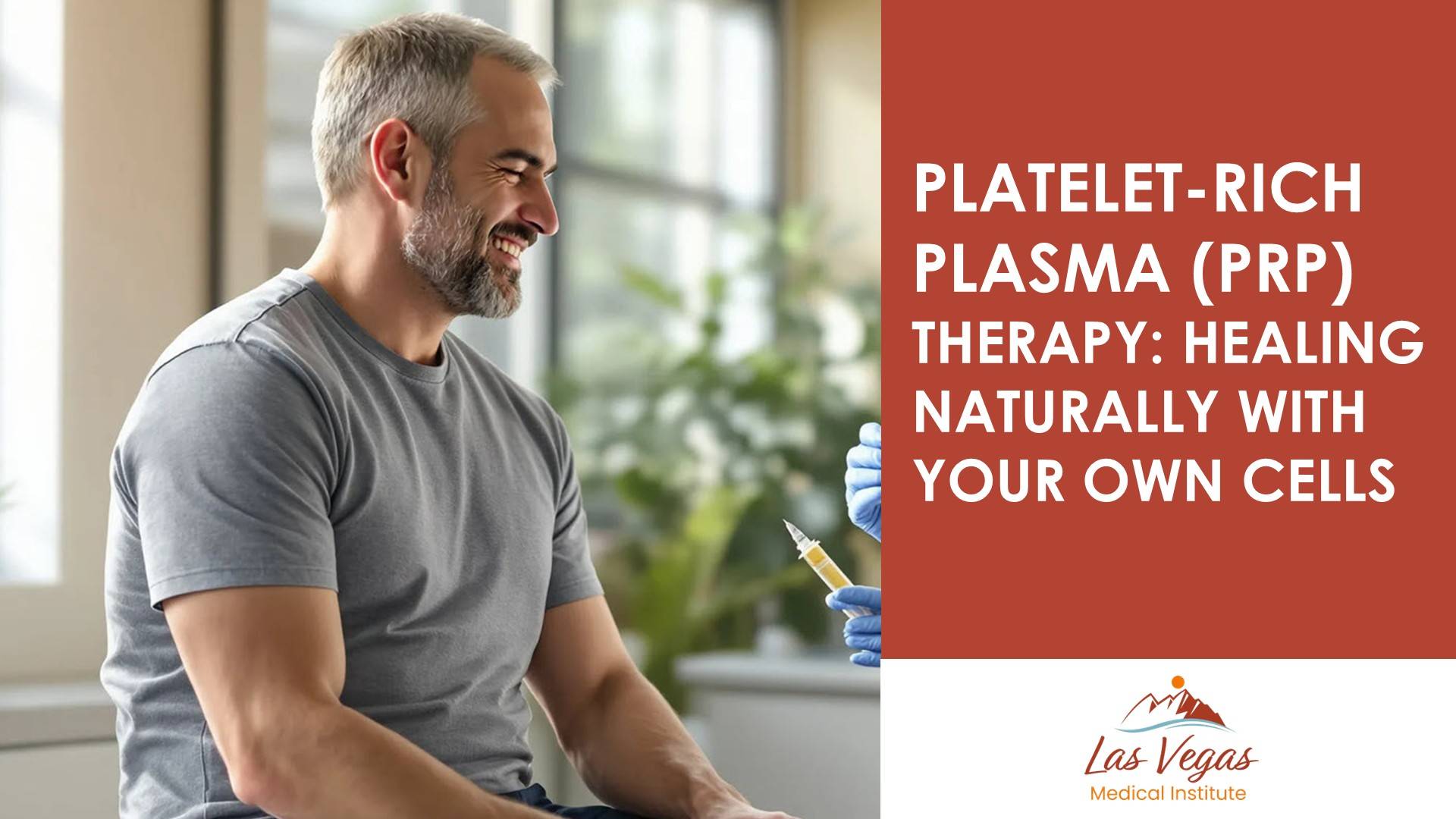
Platelet-Rich Plasma PRP therapy uses your body's own concentrated platelets to jump-start healing in damaged joints, muscles, and soft tissues, often helping patients reduce pain and restore mobility naturally, without surgery.
Platelet-rich plasma harnesses powerful growth factors from your blood and targets them directly to the injured area, accelerating tissue repair and regeneration. Many people see noticeable relief within weeks, benefit from reduced inflammation, and experience improved movement after just a few treatments.
Key Takeaways of Platelet-Rich Plasma (PRP) Therapy
- PRP therapy uses your own concentrated platelets to accelerate healing and reduce pain in joints, muscles, and soft tissues naturally.
- Platelet-rich plasma injections are especially effective for chronic tendon injuries, mild to moderate knee osteoarthritis, and musculoskeletal conditions.
- The minimally invasive PRP procedure is performed in-office, typically requiring only short recovery times and causing very low risk of side effects.
- PRP therapy is FDA-compliant, scientifically supported, and provides a safe alternative to surgery for those seeking lasting pain relief and improved mobility.
- Doctors may recommend multiple PRP treatments for the best results, especially for chronic or severe injuries, with noticeable improvements.
- Careful medical evaluation ensures PRP therapy is suitable for each patient, offering a personalized path to natural and long-term healing.
What Is Platelet-Rich Plasma (PRP)?
Platelet-rich plasma (PRP) is a specialized fluid derived from a patient's own blood, containing a concentration of platelets far higher than what's found in typical whole blood.
These platelets are tiny cell fragments essential for blood clotting, but their most impressive role is in releasing growth factors, biological signals that accelerate the healing process in tissue repair. PRP also contains small amounts of white and red blood cells. Its powerful healing properties come primarily from those concentrated platelets and the growth factors they deliver.
PRP vs. Whole Blood: How Is PRP Different?
Whole blood contains red blood cells, white blood cells, plasma, and a small amount of platelets. PRP therapy starts with a blood draw, and then uses centrifugation to isolate and concentrate the platelets.
The process produces golden-yellow plasma rich in concentrated platelets, delivering more healing power than the body naturally provides.
Growth Factors Present in Platelet-Rich Plasma
Growth factors in PRP, such as PDGF (platelet-derived growth factor), TGF-β (transforming growth factor-beta), and VEGF (vascular endothelial growth factor), work to repair and regenerate tissue. These proteins attract healing cells, reduce inflammation, and stimulate blood vessel formation. All crucial for promoting recovery in injuries and degenerative conditions.
How Does PRP Therapy Work?
PRP therapy involves a precise, stepwise approach. The clinician draws a small blood sample, processes it to concentrate platelets and growth factors, and injects the final PRP solution directly into the injured or affected area. This process harnesses your own blood components, avoiding risk of allergic reactions and supporting the healing process from within.
The PRP Treatment Process: From Blood Draw to Injection
The session starts with a routine blood draw, usually from your arm. A centrifuge spins the collected blood to separate and concentrate platelets from other components, such as red and white blood cells.
What remains is a high-density platelet-rich plasma, full of growth factors vital for healing. Using ultrasound guidance, the clinician injects PRP directly into the injured joint, tendon, or muscle, targeting the area that needs regeneration most.
How Platelet-Rich Plasma Injections Promote Tissue Regeneration
Once injected, the concentrated platelets release growth factors, natural proteins that signal repair and stimulate your body's own stem cells, boost collagen production, and promote blood vessel growth. This regenerative process decreases chronic pain, accelerates healing, and restores function in areas with limited blood supply and natural repair. PRP therapy typically requires a series of multiple injections spaced several weeks apart for optimal results.
Medical Applications of PRP Therapy
PRP therapy is widely used in modern regenerative medicine, providing a non-surgical option for patients looking to reduce pain and heal damaged tissue.
Orthopedic and Sports Medicine Uses for PRP Therapy
PRP injections are especially effective for musculoskeletal injuries, such as chronic tendon problems (tennis elbow and Achilles tendinitis), partial ligament tears, muscle injuries, and mild-to-moderate knee osteoarthritis.
Athletes benefit from faster recovery times and improved function, making PRP a mainstay in sports medicine for joint injuries, rotator cuff issues, and plantar fasciitis.
PRP Therapy Beyond Joint Injections: Cosmetic and Surgical Fields
Outside of orthopedics, PRP has found uses in plastic surgery, dermatology, and wound healing. PRP is frequently used for hair restoration, facial rejuvenation, and to enhance tissue repair after surgery.
Dentists sometimes use PRP during oral procedures to speed healing and reduce complications, all capitalizing on PRP's natural regenerative ability.
Comparing PRP and Exosome Therapy to Other Treatments
While there are many regenerative approaches, like hyaluronic acid injections, amniotic membrane treatments, and prolotherapy, this practice focuses exclusively on platelet-rich plasma and exosome therapy. These non-stem cell alternatives are carefully chosen for their safety, regulatory acceptance, and proven outcomes in tissue regeneration and pain relief.
Benefits and Risks of PRP Therapy
PRP therapy brings the promise of using your own blood's healing properties to accelerate recovery, decrease pain, and improve movement. All without surgery or lengthy downtime.
Key Benefits: Relief, Recovery, and Natural Healing
- Personalized healing: Because PRP comes from the patient’s own blood, immune rejection and allergic reactions are extremely rare.
- Accelerated healing: Growth factors present in PRP work quickly to promote tissue repair and reduce inflammation in the injured area.
- Minimal invasiveness: PRP injections are performed in-office, require no major anesthesia, and allow patients to return to normal activities faster than surgical alternatives.
Most patients experience mild pain and swelling at the injection site, which resolves quickly. Many see improvements in pain and function within weeks, though results can vary depending on injury severity and overall health.
Potential Risks and Considerations
No regenerative treatment is completely risk-free, but PRP's risks are extremely low. There's a remote chance of infection, temporary discomfort, or mild bruising.
Those with bleeding disorders, active infections, or specific medical history concerns may not be suitable candidates. Severe cases or advanced chronic conditions may require multiple treatments for best results.
Safety, Regulation, and Scientific Evidence Supporting PRP
Unlike traditional stem cell injections, which are not FDA-approved in the U.S. for joint pain, PRP therapy is legally compliant and supported by published research in respected journals like Clin J Sport Med. Ongoing studies continue to show successful treatment outcomes, especially for soft tissue injuries and musculoskeletal healing.
What to Expect During a PRP Therapy Session
Understanding the treatment process helps patients approach PRP with confidence and peace of mind. Most sessions are performed in a comfortable outpatient setting.
Step-by-Step Breakdown of a PRP Therapy Visit
- Blood draw: Your blood is collected, much like a simple lab test.
- Concentration: The blood sample is spun in a centrifuge, separating platelets from other blood components.
- Injection: The platelet-rich plasma is injected, often with local anesthetic and sometimes guided by ultrasound, into the patient’s affected area. This step is designed to target the site of tissue damage directly and optimize healing.
- Aftercare: Most patients can return home right away, sometimes with minor activity modifications for a day or two.
Recovery, Pain, and Results Timeline
After a PRP injection, it's normal to feel mild discomfort or swelling at the injection site for a day or two. Over the next several weeks, growth factors from the PRP will work to reduce pain and encourage tissue regeneration.
Many individuals start to see improvements in strength, pain relief, and function within 2–6 weeks. For chronic conditions or older injuries, your provider may recommend multiple treatments as part of your customized treatment plan.
Who Is a Good Candidate for PRP Therapy?
PRP therapy is ideal for those suffering from persistent musculoskeletal discomfort who want to avoid surgery and seek natural, regenerative solutions.
Conditions Treated by Platelet-Rich Plasma Injections
PRP is especially effective for:
- Chronic tendon injuries (like tennis elbow and Achilles tendinitis)
- Mild to moderate knee osteoarthritis
- Muscle and ligament injuries
- Rotator cuff tears
- Plantar fasciitis
- Other soft tissue injuries
- Nerve injuries (certain cases)
It may also help where physical therapy and conventional treatments have failed, making PRP a valuable option alongside or after other non-surgical modalities.
Medical History and Factors That May Affect Candidacy
PRP is not recommended for individuals with severe bleeding disorders, ongoing infections, or certain immune system diseases. During your initial consultation, your healthcare provider will review your medical history to ensure PRP is safe and likely to be effective for your specific needs. Age, overall health, and severity of tissue damage also factor into your eligibility and treatment plan.
For those seeking a minimally invasive, personalized path to pain relief and enhanced quality of life, PRP therapy frequently offers positive, long-lasting results.
Frequently Asked Questions About Platelet-Rich Plasma (PRP) Therapy: Healing Naturally with Your Own Cells
What is PRP therapy and how does it work?
PRP therapy, or platelet-rich plasma therapy, uses a patient's own concentrated platelets, rich in growth factors, to promote healing in damaged joints, muscles, and tissues. Blood is drawn, processed to concentrate platelets, and then injected into the injured area, accelerating tissue repair and reducing pain naturally.
What conditions can be treated with platelet-rich plasma injections?
Platelet-rich plasma injections are commonly used for chronic tendon injuries, mild to moderate knee osteoarthritis, muscle and ligament injuries, rotator cuff tears, plantar fasciitis, and select nerve injuries. PRP therapy may also benefit patients where other non-surgical treatments have failed.
Are there risks or side effects associated with PRP therapy?
PRP therapy is considered safe since it uses your blood, minimizing the risk of immune reactions. Most side effects are minor, such as temporary pain, swelling, or bruising at the injection site. Rarely, infection may occur. Individuals with bleeding disorders or active infections may not be candidates.
How long does it take to see results from PRP therapy?
Many patients experience improved pain relief, movement, and function within 2–6 weeks after a PRP injection. Some conditions may require multiple treatments over several months for optimal outcomes, depending on injury severity and individual response to therapy.
How does PRP therapy compare to stem cell or hyaluronic acid treatments?
Unlike traditional stem cell injections, which are not FDA-approved for joint pain in the U.S. PRP therapy is legally compliant and supported by growing scientific evidence. PRP and hyaluronic acid are both used for joint pain, but PRP uses your own regenerative cells for healing, while hyaluronic acid mainly lubricates joints.
Can PRP therapy be used for cosmetic purposes like hair restoration?
Yes, PRP therapy is widely applied in cosmetic medicine for hair restoration and facial rejuvenation. Growth factors in PRP stimulate hair follicles and skin cells, helping to promote natural hair growth and improve skin quality.
Conclusion and Summary of Platelet-Rich Plasma (PRP) Therapy: Healing Naturally with Your Own Cells
Platelet-rich plasma therapy is transforming the landscape of non-surgical regenerative medicine for joint pain, soft tissue injuries, and musculoskeletal recovery. By amplifying your body's natural healing with concentrated platelets and growth factors, PRP therapy helps many patients reduce pain, regain confidence, and return to active living, safely and swiftly.
While science continues to evolve, the safety profile, regulatory acceptance, and growing body of clinical evidence make PRP, and exosome therapy, the regenerative medicine options of choice for those seeking durable, non-surgical relief and real improvements in quality of life.
Cover Photo Illustration by: Las Vegas Medical Institute.
Ready to Unlock Your Body’s Natural Healing Power with Stem Cell Alternative Regenerative Medicine Therapies in Las Vegas?
Heal Faster. Reduce Pain. Restore Mobility and Function.
Unlike traditional treatments that just mask symptoms with medications or invasive surgery, advanced stem cell alternatives use your body's own healing mechanisms to actually repair damaged tissues at the cellular level. It's like giving your body the tools it needs to rebuild itself from the inside out.
This isn't your typical pain management. Medical-grade platelet-rich plasma PRP Therapy and Exosome Therapy deliver concentrated growth factors and biologically active molecules directly to injured tissues, jumpstarting natural repair, reducing inflammation, and helping you regrow cartilage and restore function.
Experience Benefits You Can Actually FEEL:
- Faster healing for chronic injuries and joint pain.
- Reduced inflammation and pain relief without surgery.
- Improved mobility and restored function.
- Cartilage regeneration and tissue repair.
- Minimized downtime with minimally invasive procedures.
- Relief from osteoarthritis and degenerative conditions.
- Enhanced recovery for sports injuries.
- And much more!
Why settle for temporary relief when you can achieve lasting healing? While traditional stem cell therapy for orthopedic conditions is not FDA-approved in the United States, there are evidence-based stem cell alternative cellular therapy options available. PRP and Exosome Treatments offer safe, proven alternatives backed by clinical research. Professional athletes depend on regenerative medicine for peak performance. Many patients experience mobility improvements they thought were once impossible without major surgery.
At Las Vegas Medical Institute, we combine cutting-edge regenerative technology with deep medical expertise for healing that transforms lives.
Schedule Your Regenerative Medicine Consultation here, or call us today at (725) 258-5864 and discover how stem cell alternative therapies are helping patients across Las Vegas reclaim active, pain-free lives!
Cover Photo Illustration by: Las Vegas Medical Institute.