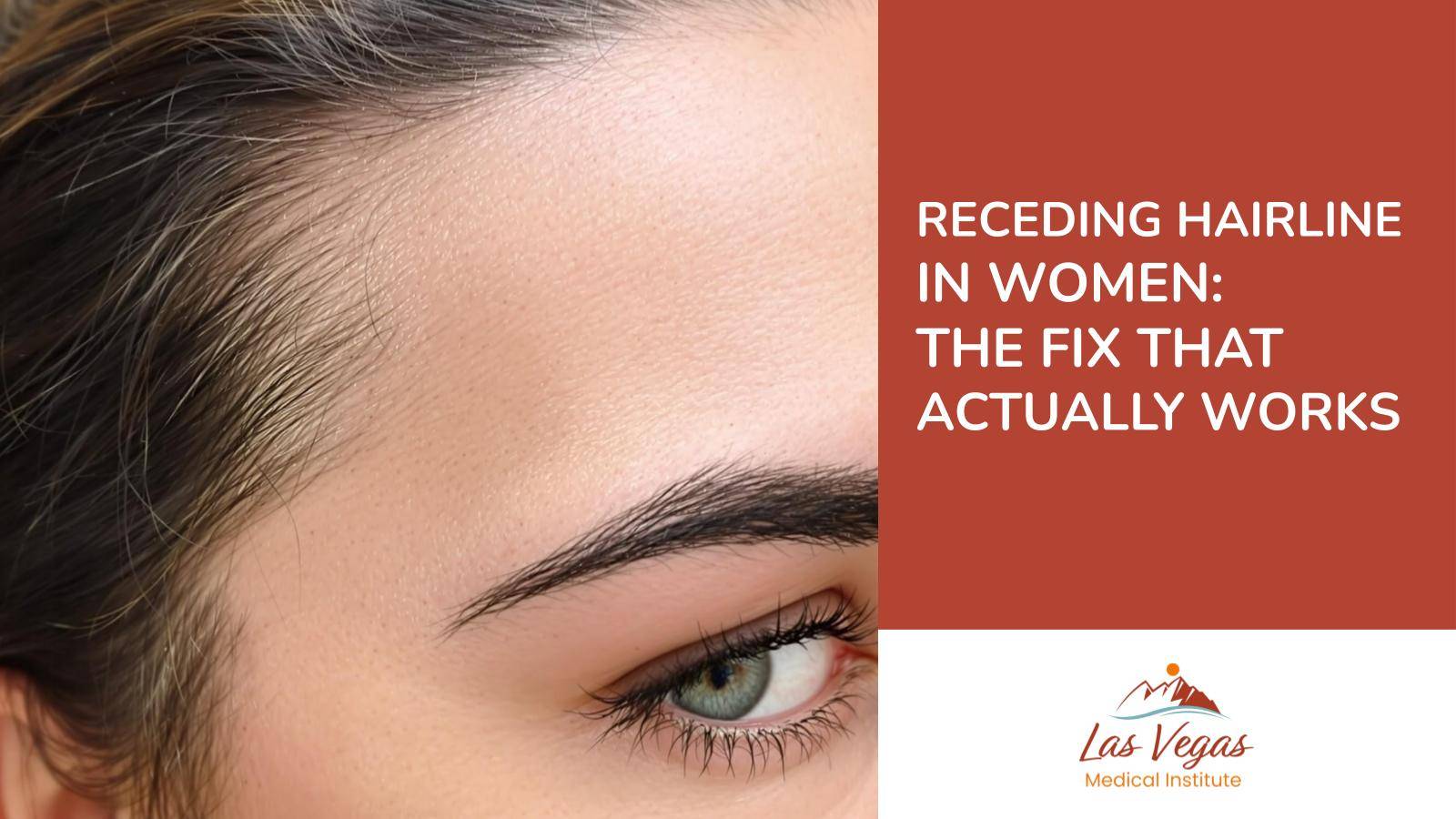
A receding hairline in women is the progressive thinning and loss of hair along the frontal hairline or temples, a concern that often begins subtly but can have significant effects on confidence and hair health. If you're searching for the most effective ways to stop hairline recession, recognize early signs, and choose between proven treatments, you're in the right place. Immediate action, such as consulting a physician offers women the best chance for healthy hair regrowth and preventing further hair loss.
Most women affected are eager to avoid permanent hair loss and restore natural facial balance, but confusion around diagnosis and therapies can lead to missed opportunities for improvement. With years of experience and countless patient cases, this article is built on the latest research and professional insight into female pattern hair loss, traction alopecia, and other causes behind receding hairlines.
Key Takeaways of Receding Hairline in Women
A receding hairline in women typically starts with subtle thinning at the frontal hairline or temples and is best managed with early detection and action.
Consulting a healthcare provider and starting proven treatments can greatly increase the chances of halting and reversing hairline recession in women.
Lifestyle changes like avoiding tight hairstyles, reducing stress, and maintaining proper nutrition play a vital role in further female hair loss.
Addressing underlying medical conditions like hormonal imbalances, iron deficiency, or thyroid issues is essential for long-term hair health.
Consistent care, routine medical follow-ups, and early intervention offer the best opportunity for natural hair regrowth and confidence restoration.
Receding Hairline in Women
Unlike male pattern baldness that usually starts from the crown, a receding hairline in women typically appears as gradual thinning and backward movement of hair at the temples or the frontal hairline, often forming what's described as an "M" shape. This pattern of hair loss does not usually expose the entire scalp but can create visible thinning, especially when hair is pulled back.
How Female Hairline Recession Differs from Male Pattern Baldness
For women, hair follicles along the frontal hairline and temples shrink over time, yielding finer, shorter hairs instead of full strands. Unlike men, women rarely develop completely bald patches at the crown. The presentation is more diffuse and subtle, making early recognition essential to slow progression.
Healthy hair growth depends on the anagen phase, when hair actively grows, which can be shortened by hormonal changes, poor diet, or medical conditions. The hair shaft and follicles are sensitive to internal changes such as stress hormones, androgenic activity, and nutrient imbalances, all of which play critical roles in the onset and severity of female pattern hair loss and frontal fibrosing alopecia.
Common Causes of Receding Hairline
Women notice a receding hairline due to a combination of genetic, hormonal, and lifestyle factors. Understanding these root causes is vital for choosing the right treatment approach.
Hormonal Changes and Androgenetic Alopecia
Hormonal shifts, particularly during menopause, pregnancy, or in cases like polycystic ovary syndrome and thyroid disorders, directly impact hair follicles. A reduction in estrogen or changes in androgen levels can speed up hairline thinning and sometimes trigger androgenetic alopecia. In postmenopausal women, this process is often accelerated and may lead to permanent hair loss without early intervention.
Environmental and Lifestyle Stressors
Traction alopecia from repeatedly wearing tight hairstyles. Ponytails and braids can cause persistent stress on the frontal hairline, leading to visible thinning or patchy hair loss. Chronic stress may trigger telogen effluvium, in which hair enters the shedding phase prematurely.
Nutritional Deficiencies and Autoimmune Diseases
Iron deficiency and low vitamin D are common contributors to diminished hair strength and poor hair regrowth. Autoimmune conditions such as alopecia areata and frontal fibrosing alopecia can attack hair follicles directly, causing rapid or patchy frontal hairline recession. Certain medications, chemotherapy, beta blockers, and some antidepressants, can also induce noticeable thinning.
Genetics and Aging
A family history of female pattern baldness or male pattern baldness raises the risk of early and more severe hairline recession. Genetics also influence the natural aging process of hair follicles, making gradual thinning more likely as women age.
Recognizing the Early Signs
Spotting the early signs of a receding hairline in women is crucial for halting further hair loss and maximizing options for regrowth. Most women ignore subtle symptoms until visible thinning becomes hard to reverse.
What to Look For
Thinning at the temples or around the frontal hairline, especially when compared to older photos
Increased hair shedding in brushes, on pillows, or in the shower
Short, wispy, or “fluffy” baby hairs along the temple or forehead
Noticeable widening of the part or more scalp visible in bright light
Breakage and slow hair growth, with some areas growing less quickly than others
When to Seek Early Diagnosis
If you observe gradual thinning, patchy hair loss, or persistent changes in scalp coverage, don't wait. Early diagnosis allows for tailored solutions, or specific therapies for underlying hormonal or autoimmune issues. Blood tests may help rule out iron deficiency, thyroid disorders, or other treatable conditions that cause or worsen female hair loss.
Ignoring these early warning signs increases the risk of permanent hair loss and limits the chance at natural looking results from medical or surgical hair restoration.
Treatment Options for Receding Hairline
Once a receding hairline is diagnosed, women have more treatment choices than ever, many with high success rates. It's essential to match the treatment plan to the underlying cause to achieve lasting, healthy hair growth.
Topical and Oral Medications
The only FDA-approved over the counter solution for female pattern baldness is topical minoxidil, which helps stimulate hair growth and slow further hair loss for many women. For some, especially postmenopausal women, oral finasteride may be prescribed off-label. Hormone therapy is an option where androgenic or estrogen deficiencies play a role, but these should only be used under close medical supervision.
Procedural and Medical Therapies
For resistant cases, or when frontal fibrosing alopecia or traction alopecia are diagnosed, corticosteroid injections, platelet rich plasma (PRP) infusions, or hair transplant surgery may be considered. These advanced solutions can restore frontal hairline density and facial balance, often with natural looking results when performed by skilled specialists. Laser therapy may offer additional benefit to women experiencing gradual thinning, though it's not a cure-all.
Addressing Underlying Conditions
Treating issues like thyroid disorders, iron deficiency, or polycystic ovary syndrome is essential for long-term hair health. Sometimes, combination therapy, targeting both the symptoms and root causes, gives the best chance for lasting hair restoration and healthy hair regrowth.
Lifestyle Changes to Support Healthier Hair
Beyond medical treatments, everyday actions play a huge role in slowing and reversing a receding hairline in women. Investing in hair care and overall well-being helps maintain healthy hair for the long term.
Nutrition, Supplements, and Hair Health
A balanced diet, rich in protein, iron, zinc, vitamin D, and other micronutrients, supports the anagen phase of hair growth. Women should consider blood tests for iron deficiency or vitamin D insufficiency if experiencing hair thinning. Supplementing with the recommended nutrients, under doctor supervision, can address silent causes of hair loss.
Essential oils, gentle scalp massages, and good hydration promote healthy blood flow to the scalp and hair follicles. But, avoid miracle products with unproven claims. Instead, stick to evidence-based support for hair health.
Daily Hair Care Habits
Simple changes make a difference: avoid tight hairstyles (ponytails, braids, buns) that tug on the frontal hairline. Cut back on excessive heat styling and harsh chemical products. Reduce stress through meditation, exercise, or therapy, since chronic stress worsens hair thinning and delays regrowth. If you must wear hair up, alternate styles and avoid pulling at the hairline.
Preventing Further Hairline Recession
Slowing and preventing additional hairline recession takes a combination of medical strategy and everyday vigilance. While genetics can't be changed, women can still significantly reduce their risk of visible thinning and hair loss progression.
Early Intervention and Consistent Care
The most effective way to maintain healthy hair and facial balance is to seek early diagnosis from a dermatologist or trichologist. Initiating appropriate treatment as soon as symptoms appear, whether that is medical therapy, laser treatments, or lifestyle modifications, provides the greatest chance at hair regrowth and may help avoid the need for hair transplant or restoration surgery down the line.
Consistent daily care, blood tests to check for deficiencies, and routine medical follow-ups all support hair health, allowing women to address changes while they are still reversible. Continued awareness is the best tool against permanent hair loss, especially for those with a family history of female pattern hair loss or androgenetic alopecia.
Frequently Asked Questions About Receding Hairline in Women: The Fix That Actually Works
What causes a receding hairline in women?
A receding hairline in women is often caused by a combination of genetics, hormonal changes (such as menopause or thyroid disorders), stress, nutritional deficiencies, certain hairstyles causing traction alopecia, and medical conditions like autoimmune diseases.
How can women stop a receding hairline from getting worse?
Women can slow or stop a receding hairline by addressing underlying health issues, using topical minoxidil, avoiding tight hairstyles, improving nutrition, managing stress, and consulting a dermatologist early for personalized treatment advice.
What are the best treatments for a receding hairline in women?
The most effective treatments include topical minoxidil, oral medications like finasteride (off-label), hormone therapy for cases with hormonal imbalances, corticosteroid injections, platelet rich plasma (PRP) therapy, and, for some, hair transplant surgery. Early intervention increases treatment success.
What are the early signs of a receding hairline in women?
Early signs include thinning hair at the temples or frontal hairline, increased shedding, the appearance of short or wispy hairs, a widening part, and slower growth in some areas. Early recognition and treatment are key to preventing further hair loss.
Can dietary changes help regrow hair for women with a receding hairline?
Yes, a diet rich in protein, iron, vitamin D, zinc, and other essential nutrients can support healthy hair growth. Women experiencing thinning should consider blood tests to check for deficiencies and supplement under a doctor's supervision if needed.
Is a receding hairline in women reversible?
In many cases, a receding hairline in women is partially reversible, especially if addressed early. Treatments aimed at underlying causes and consistent hair care practices can promote regrowth and slow further loss, though outcomes vary depending on individual factors and the cause of hair loss.
Conclusion and Summary of Receding Hairline in Women: The Fix That Actually Works
A receding hairline in women is a widespread but manageable concern. The key is timely recognition of warning signs, understanding the underlying causes, and actively pursuing the most appropriate treatment options for your specific situation. Advances in science, from topical minoxidil and hormone therapy to PRP and hair transplant surgery, offer hope for meaningful restoration of hairline and confidence alike.
Don't wait: early action matters. Whether you're experiencing the first signs of thinning or have a strong family history of hair loss, take control of your hair health now. With a science-backed strategy, consistent self-care, and guidance from specialists, many women are seeing natural looking results and enjoying thicker, healthier hair for years to come.
Ready to Restore Your Hair with Non-Surgical Hair Restoration in Las Vegas?
Thicker Hair. Natural Regrowth. No Downtime.
Unlike hair transplants that require invasive surgery, scarring, and weeks of recovery, our advanced platelet-rich plasma PRP hair restoration uses your body's own healing platelets to naturally stimulate hair follicles and regrow your hair. It's like waking up dormant follicles and giving them the growth factors they need to thrive again.
This isn't hiding under toupees or settling for temporary hair replacement systems. Our medical-grade hair restoration without surgery delivers concentrated growth factors directly into your scalp, targeting the root cause of thinning and triggering natural regrowth where you need it most.
Are You Experiencing These Common Hair Loss Problems?
Receding hairline that keeps moving back.
Thinning crown that’s becoming more visible.
Bald spots that won’t fill in.
Male pattern baldness affecting your confidence.
Female pattern baldness that’s getting worse.
Patchy hair loss in multiple areas.
Frontal hairline thinning and recession.
Sudden hair loss that appeared out of nowhere.
Experience Benefits You Can Actually FEEL:
Natural hair regrowth without surgery or scars.
Thicker, fuller hair that’s actually yours.
No more hiding under toupees or wigs.
Effective non-surgical hair restoration for men and women.
Minimally invasive with no downtime.
Safe, natural solution using your own blood platelets.
Real hair replacement from your own follicles.
And much more!
Why settle for temporary cover-ups or invasive transplants when you can regrow your own hair naturally? PRP hair restoration is trusted by men and women worldwide who've experienced real regrowth in areas they thought were gone forever. Many patients see visible improvements within months, with continued thickening over time.
At Las Vegas Medical Institute, we blend advanced PRP hair restoration technology with physician-led expertise for hair restoration results that restores your hair, appearance, and your confidence.
Ready to regrow your hair naturally? Schedule Your Hair Restoration Consultation here, or call us today at (702) 577-3174 and discover how non-surgical hair restoration is helping men and women across Las Vegas reclaim their full, healthy hair!
Cover Photo Illustration by: Las Vegas Medical Institute.
Morpheus8 results typically last 12–18 months for most patients, and some maintain visible improvements for up to 2 years, but the real answer to how long does Morpheus8 last depends on sun exposure, skin type, and the treatment plan used in-office. Morpheus8 is a minimally invasive procedure that uses radiofrequency RF energy with microneedling to…
Morpheus8 for cellulite can improve the appearance of cellulite, especially mild to moderate dimpling on the thighs and buttocks, by using RF microneedling to deliver radiofrequency energy into deeper layers of skin and connective tissue to stimulate collagen production. It's not a cure-all, and it won't "erase" severe cellulite, deep tethered dimples, or major fat…
Is Morpheus8 painful? For most patients, Morpheus8 feels like mild to moderate discomfort, not extreme pain, especially when a topical numbing cream is used. In-office, the sensation is usually described as pressure plus brief "zaps" of heat from RF microneedling, often landing around a 3–7/10 pain level depending on the treatment area, device settings, and…
Morpheus8 thighs treatments can improve loose skin, crepey texture, mild cellulite, and overall skin tightening by delivering radiofrequency energy through tiny needles into deeper layers of skin to stimulate collagen production. In practical terms, most patients see firmer skin, smoother skin texture, and a more refined thigh contour after a short series, usually 3–4 sessions,…