How to Stop a Receding Hairline in Women: Causes, Treatments, and Realistic Results
Authored by: Dr. Juan Chavez, MD and Dr. Lucia Mireles-Chavez, MD
Anyone searching how to stop receding hairline women wants to know two things: what's causing it, and which treatments can actually slow or reverse it. A receding hairline in women is usually a sign of underlying issues such as androgenetic alopecia, hormonal shifts, medical conditions, or traction from styling, not a random cosmetic flaw. The most effective way to protect the hairline is to identify the cause early, adjust damaging habits, and combine targeted medical treatments with lifestyle changes.
For many women, that means treating female pattern hair loss or other forms of androgenetic alopecia, correcting thyroid disorders or iron deficiency, and changing tight hairstyles that damage hair follicles. In-office options like topical treatments, prescription medication, platelet rich plasma (PRP), and hair transplant surgery can often slow further hair loss and, in some cases, regrow hair along thinning areas. Addressing stress, nutrition, and scalp health helps promote hair growth and support healthy hair over the long term.
Key Takeaways of How to Stop a Receding Hairline in Women
- A receding hairline in women is usually caused by underlying issues like androgenetic alopecia, hormonal changes, thyroid problems, nutritional deficiencies, or traction from tight hairstyles.
- To effectively stop or slow a receding hairline in women, early evaluation is essential to start targeted medical treatment quickly.
- Evidence‑based treatments such as topical minoxidil, hormone‑related medications, PRP and in some cases hair transplant surgery can stabilize hair loss and often regrow hair back.
- Gentle, low‑tension styling, avoiding tight ponytails and braids, and limiting heat and harsh chemicals are key daily habits that protect follicles.
- Optimizing nutrition, managing stress, and treating conditions support medical therapies and improve long‑term hair growth outcomes.
Understanding A Receding Hairline In Women
A receding hairline in women usually shows up as gradual thinning along the frontal hair line and temples, rather than the sharp M-shape seen in male pattern baldness.
How Female Hairlines Naturally Differ From Men’s
Female hairlines are typically flatter and rounder than men's, with more density at the front and sides. Women rarely develop the deep, V-shaped hairline recession that is common in male pattern hair loss.
Instead, female pattern hair loss usually causes diffuse thinning. Women may notice more scalp showing through the part, along with a thinning hairline but not complete bald patches. This pattern often reflects hereditary hair loss driven by androgenic alopecia.
Some women naturally have a higher hairline from childhood. That kind of hairline isn't caused by hair loss and often stays stable for many years. Distinguishing between a naturally high hair line and genuine hairline thinning is important before starting any hair loss treatment.
Signs Your Hairline Is Receding Vs Normal Maturation
The earliest sign of a receding hairline in women is usually increased transparency at the temples or along the frontal edge. She may notice more scalp shining through when styling or taking photos.
Other clues include short, fragile hairs at the front that never seem to grow longer, or a change in hair texture around the hairline. These miniaturized hair shafts suggest that hair follicles are shrinking, a hallmark of androgenetic alopecia.
Normal maturation is subtle and slow, without obvious shedding or patchy thinning areas. With true hairline recession, she may notice thinning hair over several months, increased hair in the shower, or widening of the central part. Early recognition allows treatment options that can still stimulate hair follicles and protect existing hair.
Main Causes Of A Receding Hairline In Women
Multiple overlapping factors usually drive a receding hairline in women. These includes hormonal shifts, hereditary hair loss, medical conditions, and physical tension from styling practices.
Hormonal Changes, Thyroid Issues, And Menopause
Hormones play a major role in female hair loss, especially around menopause. As estrogen and progesterone levels fall, the protective effect on hair follicles weakens, allowing androgens to shorten the growth phase.
This hormonal shift often unmasks androgenetic alopecia, the same process underlying male pattern baldness. In women it appears as female pattern baldness, with gradual thinning across the crown and hairline recession rather than large bald spots.
Thyroid disorders, both underactive and overactive, can also trigger hair thinning. When thyroid hormones are abnormal, hair growth cycles become disrupted, causing diffuse shedding and sometimes noticeable hairline symptoms.
Postpartum And Stress-Related Shedding
After childbirth, many women experience telogen effluvium, a temporary type of hair loss driven by hormonal swings. A few months after delivery, they may notice shedding from the entire scalp, including the frontal hairline.
Although postpartum hair loss often resolves within 6–12 months, it can expose an underlying tendency toward pattern hair loss. If hairline thinning persists or worsens, evaluation for female pattern hair loss or other conditions is essential.
Severe emotional or physical stress, surgery, or major illness can have a similar effect. Stress pushes more hairs into the resting phase, leading to shedding later. Managing stress through sleep, exercise, and relaxation techniques helps reduce this trigger.
Traction Alopecia From Hairstyles And Grooming Habits
Traction alopecia is a leading preventable cause of a receding hairline in women. Constant tension from tight hairstyles damages hair follicles along the front and sides.
High ponytails, tight braids, sleek buns, glued-in weaves, and heavy hair extensions all increase pulling on the hair shaft. Over time, this can cause thinning hairline areas, broken hairs, and eventually permanent loss if not corrected.
Nutritional Deficiencies, Medication, And Illness
Hair is sensitive to nutritional status. Iron deficiency, low vitamin D, and inadequate protein intake can all contribute to hair thinning and slower hair regrowth, especially in women with heavy periods or restrictive diets.
Blood tests ordered by a dermatologist or primary care provider can reveal anemia, vitamin D deficiency, or other issues affecting hair health. Correcting these problems supports healthy hair growth and improves response to other hair loss solutions.
Certain medications, including some blood pressure drugs, antidepressants, and chemotherapy agents, can trigger shedding. Chronic medical conditions like lupus and other autoimmune diseases may also affect the hairline.
Scarring Conditions And When To See A Dermatologist
Some forms of hair loss actually destroy hair follicles and replace them with scar tissue. Frontal fibrosing alopecia is one example, seen more often in postmenopausal women, causing a band of hairline recession.
Scarring alopecias can cause redness, itching, or burning along thinning areas. Without prompt treatment, they can lead to permanent loss of existing hair and limited options for hair transplantation later.
Women should schedule a consultation promptly if they notice rapid hairline recession, scalp discomfort, or patchy loss. Early diagnosis and a customized treatment plan help treat androgenic alopecia, autoimmune conditions like alopecia areata, and other serious causes before they progress.
Medical Treatments That Can Help Slow Or Stop Hairline Recession
Evidence-based medical treatments aim to stabilize further hair loss, stimulate hair follicles, and in some cases regrow hair along the thinning hairline.
Topical Treatments (Minoxidil And Other Options)
Topical minoxidil is one of the most widely used hair loss treatments for women. Applied directly to the scalp, it helps extend the growth phase of hair follicles and can stimulate hair growth.
Women typically use 2% or 5% minoxidil solutions or foams once or twice daily to thinning areas. Consistency is essential: results usually appear after three to six months, with fuller improvement by one year.
Prescription Medications And Hormone-Related Therapies
For some women with androgenetic alopecia, oral medications can help reduce the effect of androgens on hair follicles. These treatments aim to protect existing hair and slow hairline receding.
Options can include oral finasteride or similar drugs, often prescribed cautiously and off-label for women who are not pregnant or planning pregnancy. Other medications that affect hormones may be used to treat androgen excess.
Women with polycystic ovary syndrome may benefit from hormone therapy or medications that regulate androgens. Managing PCOS often improves both scalp hair thinning and unwanted facial hair, contributing to better overall hair health.
Platelet-Rich Plasma Injections
Several in-office procedures can support hair restoration for a receding hairline. Platelet rich plasma therapy uses the patient's own blood platelets, injected into the scalp to promote hair growth and improve hair strength.
PRP is often performed in a series of sessions spaced weeks apart. Many women notice reduced shedding and thicker hair shafts over time, especially when combined with topical treatments.
Hair Transplant And Surgical Options For Women
When hairline thinning is advanced or medical treatments haven't given sufficient density, hair transplantation may be considered. In hair transplant surgery, hair grafts are moved from thicker areas to the thinning hairline.
Techniques like follicular unit extraction place individual follicle units along the frontal hair line to create a natural appearance. Proper planning respects existing hair direction, hair texture, and future pattern hair loss.
Surgical options are usually reserved for women with stable pattern hair loss and healthy donor areas. They're not ideal for active scarring conditions or uncontrolled medical issues, where further hair loss could continue even though surgery.
Everyday Habits To Protect And Support Your Hairline
Daily choices strongly influence hair health. Gentle styling, smart product selection, and supportive lifestyle habits help protect vulnerable follicles at the hairline.
Gentle Styling: What To Avoid And What To Do Instead
To reduce traction female pattern baldness and protect a thinning hairline, women should avoid tight hairstyles that pull on the scalp. Sleek ponytails, tight braids, and glued weaves create constant tension.
Looser styles, low ponytails, soft braids, and clip-in accessories that don't strain the hair shaft are preferable. Rotating styles prevents repetitive stress on the same thinning areas.
They should also be cautious with frequent chemical treatments and high-heat tools near the hairline. Using lower heat settings and spacing out color or relaxer appointments reduces cumulative damage to fragile hair.
Nutrition, Supplements, And Lifestyle Factors
Healthy hair growth depends on a healthy diet. Adequate protein, iron, vitamin D, and other micronutrients provide the building blocks for strong hair shafts and resilient follicles.
If a woman has heavy periods, follows a restrictive diet, or feels fatigued, blood tests to check iron deficiency or other nutritional issues are worthwhile. Correcting deficiencies can reduce gradual thinning and improve hair regrowth. Managing stress through exercise, therapy, or mindfulness helps limit stress-induced shedding.
Frequently Asked Questions About How to Stop a Receding Hairline in Women: Causes, Treatments, and Realistic Results
What is the best way to stop a receding hairline in women early on?
The most effective way to stop a receding hairline in women is early evaluation, identifying the root cause, and starting evidence-based treatments to promote hair growth.
How do I know if my high hairline is normal or actually receding?
A naturally high hairline usually looks even and stable over years. A receding hairline in women shows gradual thinning at the temples or frontal edge, more scalp showing, fragile short hairs that don’t grow longer, and sometimes widening of the part or increased shedding over several months.
Can a receding hairline in women grow back or is it permanent?
Some causes, like early androgenetic alopecia or traction alopecia, can show noticeable regrowth if treated promptly with medical therapy and gentler styling. Postpartum and stress-related shedding also often improve. Scarring conditions, such as frontal fibrosing alopecia, may cause permanent loss if not treated quickly, making early diagnosis critical.
What treatments work best specifically for female pattern hairline thinning?
For female pattern hair loss at the hairline, dermatologists often combine topical minoxidil with oral anti-androgen or hormone-related therapies when appropriate. PRP, microneedling, and low-level laser therapy can boost results. In advanced, stable cases, hair transplant surgery (FUT/FUE) can restore density when donor hair is sufficient and scalp disease is controlled.
Conclusion and summary of How to Stop a Receding Hairline in Women: Causes, Treatments, and Realistic Results
A receding hairline in women is common, and it almost always has an identifiable cause. Hormonal changes, hereditary hair loss, traction, nutritional gaps, and medical conditions all play roles.
The most effective way to stop or slow hairline thinning is early evaluation, targeted medical treatment, and consistent changes in styling and lifestyle habits. While not every woman will fully regrow hair, many can protect remaining hair, stimulate hair follicles, and achieve visible hair regrowth over time.
Approaching hair loss as a medical issue rather than a personal failing opens the door to real solutions and emotional relief. With the right information, treatment plan, and support, a receding hairline does not have to define how she sees herself, or how the world sees her.
Ready to Restore Your Hair with Non-Surgical Hair Restoration in Las Vegas?
Thicker Hair. Natural Regrowth. No Downtime.
Unlike hair transplants that require invasive surgery, scarring, and weeks of recovery, our advanced platelet-rich plasma PRP hair restoration uses your body's own healing platelets to naturally stimulate hair follicles and regrow your hair. It's like waking up dormant follicles and giving them the growth factors they need to thrive again.
This isn't hiding under toupees or settling for temporary hair replacement systems. Our medical-grade hair restoration without surgery delivers concentrated growth factors directly into your scalp, targeting the root cause of thinning and triggering natural regrowth where you need it most.
Are You Experiencing These Common Hair Loss Problems?
- Receding hairline that keeps moving back.
- Thinning crown that’s becoming more visible.
- Bald spots that won’t fill in.
- Male pattern baldness affecting your confidence.
- Female pattern baldness that’s getting worse.
- Patchy hair loss in multiple areas.
- Frontal hairline thinning and recession.
- Sudden hair loss that appeared out of nowhere.
Experience Benefits You Can Actually FEEL:
- Natural hair regrowth without surgery or scars.
- Thicker, fuller hair that’s actually yours.
- No more hiding under toupees or wigs.
- Effective non-surgical hair restoration for men and women.
- Minimally invasive with no downtime.
- Safe, natural solution using your own blood platelets.
- Real hair replacement from your own follicles.
- And much more!
Why settle for temporary cover-ups or invasive transplants when you can regrow your own hair naturally? PRP hair restoration is trusted by men and women worldwide who've experienced real regrowth in areas they thought were gone forever. Many patients see visible improvements within months, with continued thickening over time.
At Las Vegas Medical Institute, we blend advanced PRP hair restoration technology with physician-led expertise for hair restoration results that restores your hair, appearance, and your confidence.
Ready to regrow your hair naturally? Schedule Your Hair Restoration Consultation here, or call us today at (725) 258-5864 and discover how non-surgical hair restoration is helping men and women across Las Vegas reclaim their full, healthy hair!
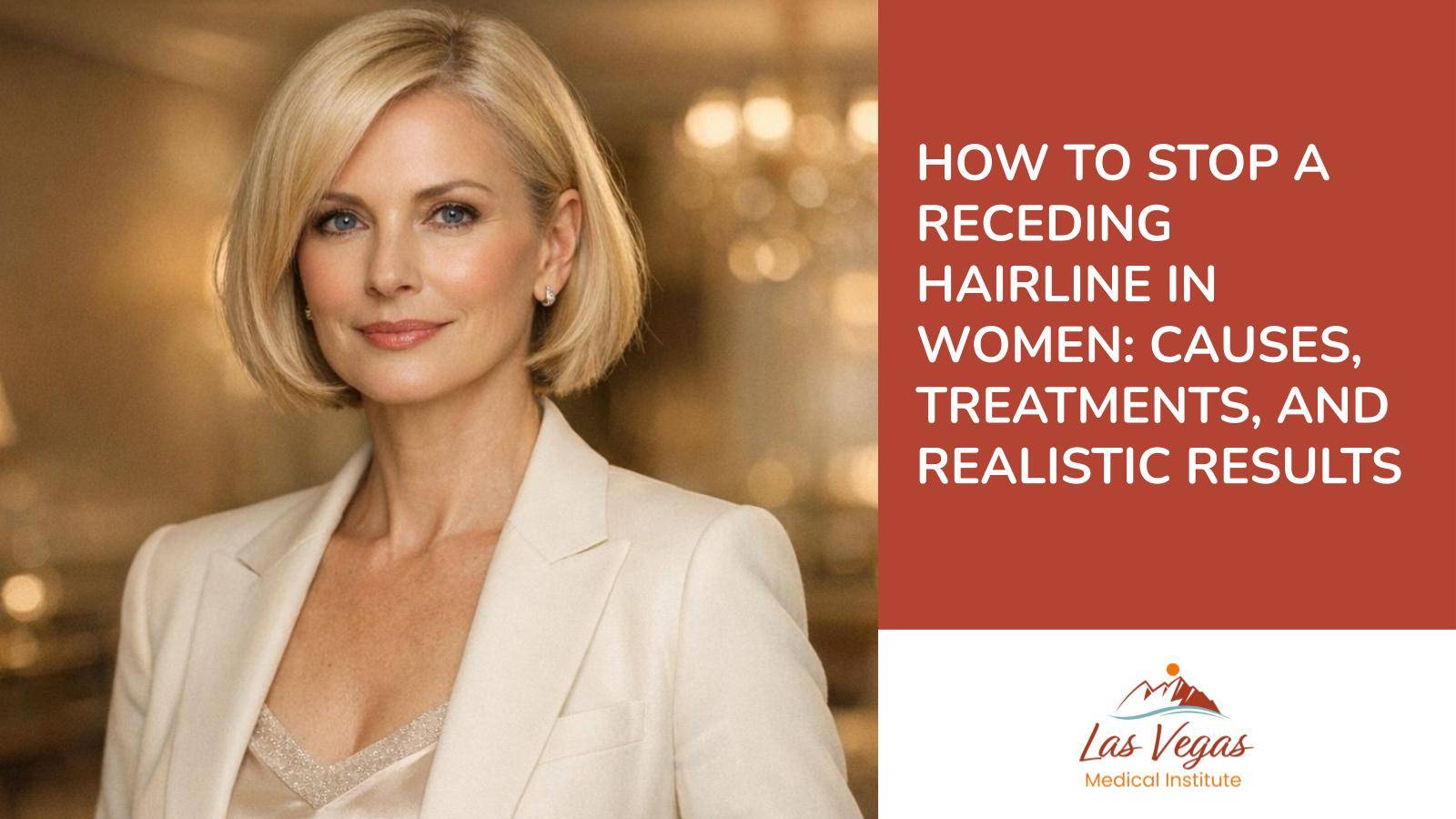
Cover Photo Illustration by: By Las Vegas Medical Institute.