Early Stage Female Pattern Baldness and How to Treat it With PRP Injections
Authored by: Dr. Juan Chavez, MD and Dr. Lucia Mireles-Chavez, MD
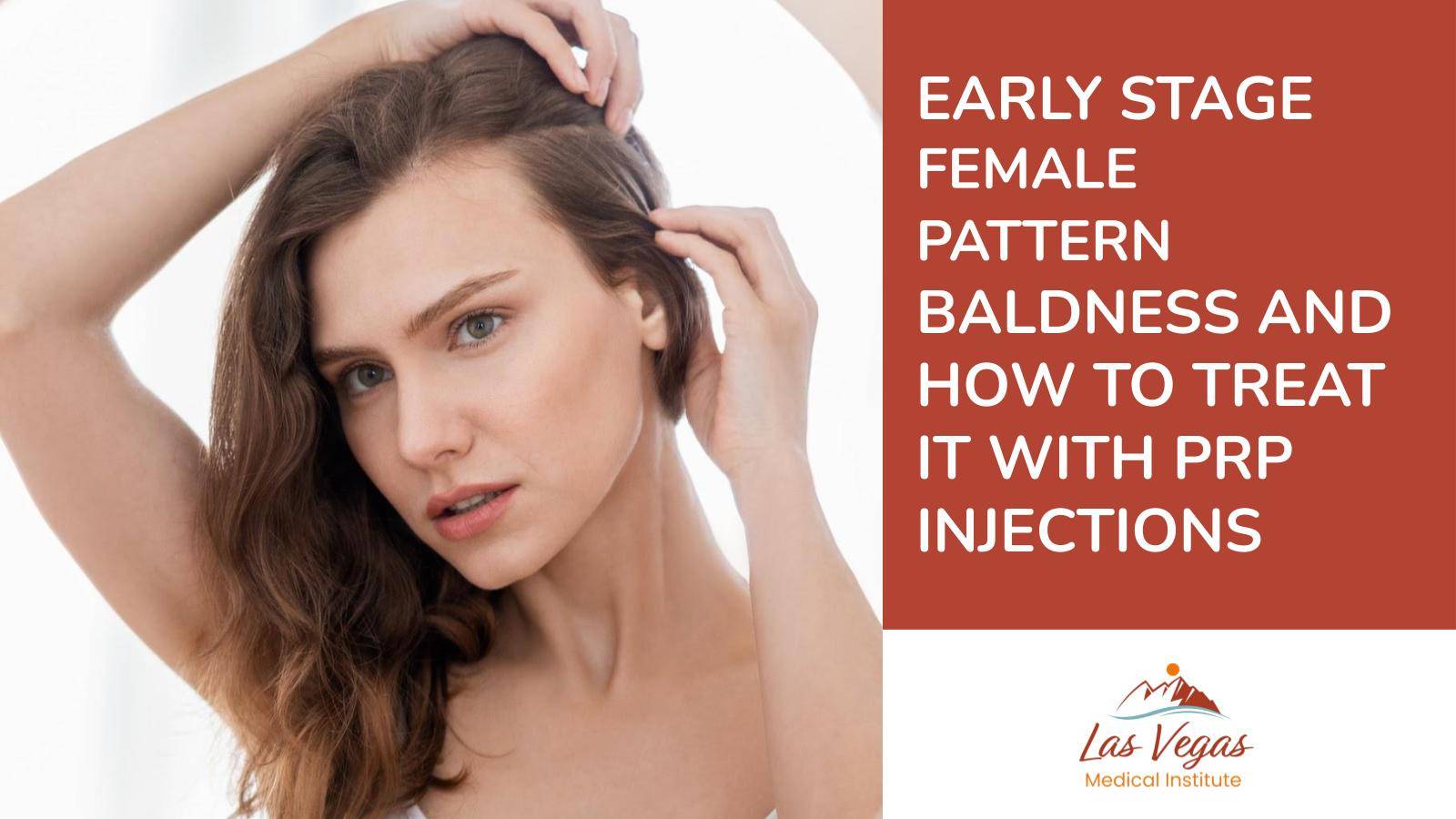
Early stage female pattern baldness can often be slowed and partially reversed when it's treated early with a combination of medical therapies, including platelet-rich plasma (PRP) injections. In the first stages, female pattern hair loss usually appears as gradual thinning on the crown and along the part, while many women still have plenty of active hair follicles that can respond to treatment. PRP for hair loss uses a patient's own concentrated platelets to stimulate hair growth, improve hair density, and help preserve existing hair.
For women worried about increasing hair shedding, widening parts, or diffuse thinning, the most important steps are: seek an early diagnosis, rule out other causes, and discuss evidence-based hair loss treatment options with a hair specialist. Early intervention helps prevent further hair loss, supports thicker hair in thinning areas, and improves the chances of meaningful hair regrowth.
Key Takeaways of Early Stage Female Pattern Baldness
- Early stage female pattern baldness often shows up as subtle thinning along the part and crown, making early diagnosis critical for better treatment outcomes.
- Platelet-rich plasma injections use concentrated growth factors from your own blood to support weakened hair follicles, helping improve hair density and reduce shedding.
- PRP works best as part of a combination treatment plan that may include topical minoxidil, low level laser therapy, and, when appropriate, hormonal therapies like spironolactone.
- Most PRP protocols involve monthly sessions for three to six months with periodic maintenance, and results typically appear gradually.
- PRP has generally mild side effects such as temporary scalp tenderness or bruising, but it is not FDA-approved specifically for hair loss and offers partial improvement rather than full restoration, especially in more advanced baldness.
- Addressing other contributors like iron deficiency, thyroid or hormonal imbalances, and stress is essential to maximize the benefits of PRP.
Early Stage Female Pattern Baldness
Early stage female pattern baldness, also called female pattern hair loss or female androgenic alopecia, is a chronic condition where hair gradually thins over the mid-scalp.
What Is Female Pattern Hair Loss And Androgenetic Alopecia?
Female pattern hair loss is the most common cause of hair loss in women. It is a form of androgenetic alopecia driven by a mix of genetics, androgen receptors, and hormonal sensitivity.
Unlike male pattern baldness, women tend not to develop a completely receding hairline or lose hair over the entire scalp. Instead, they develop diffuse thinning across the crown and along the part line.
Hair follicles in affected areas slowly miniaturize. They produce finer, shorter hairs with each cycle, which reduces overall hair density and makes the scalp more visible.
This pattern hair loss can be influenced by family history, male hormones, and underlying conditions like polycystic ovary syndrome. Emotional stress and tight hairstyles may also accelerate hair loss or worsen breakage.
Early Stage Female Androgenic Alopecia Versus Other Hair Loss Conditions
In early stages, many women notice mild hair loss with a subtle widening of the part and gradual hair thinning. The hair count decreases, but the frontal hairline usually remains intact.
This is different from telogen effluvium, where sudden significant hair loss follows a trigger like illness, surgery, or major emotional stress. In telogen effluvium, the shedding phase is temporarily increased, but the follicles are not permanently damaged.
Alopecia areata, another condition, causes patchy bald spots rather than diffuse thinning. It is autoimmune and can affect any area of the scalp.
A board-certified dermatologist can help distinguish early androgenetic alopecia from these conditions through scalp examination, medical history, and sometimes blood tests to assess for iron deficiency, thyroid issues, or hormonal imbalance.
How To Recognize The First Signs Of Thinning Hair
Catching early stage female pattern baldness quickly gives doctors more options to treat hair loss and protect remaining hair follicles.
Subtle Changes In Hair Density, Part Line, And Shedding
The earliest signs of female hair loss are often easy to dismiss. Most women first see a widened part or less volume at the crown when styling.
They may notice more hair shedding on the pillow, in the shower drain, or on hairbrushes for several months. The ponytail may feel thinner even though there are no obvious bald spots.
These changes reflect reduced hair density and gradual miniaturization of follicles in the mid-scalp. The hair shaft becomes finer and more fragile, so hair breakage can increase as well.
Red Flags That Warrant A Medical Evaluation
A woman should see a hair specialist promptly if she sees rapid, significant hair loss, a sudden receding hairline, or thinning across the entire scalp. Other warning signs include irregular periods, acne, weight gain, or excess facial hair that might suggest polycystic ovary syndrome or other hormonal issues.
Blood tests may be ordered to check iron levels, thyroid function, and sometimes hormones. Iron supplements or a more balanced diet might be recommended when iron deficiency is confirmed.
What Is Platelet-Rich Plasma (PRP) Therapy For Hair Loss?
Platelet-rich plasma therapy is a minimally invasive medical treatment that uses a patient's own blood to help stimulate hair growth in areas affected by pattern baldness.
How PRP Is Prepared For Early Stage Female Pattern Baldness
During a PRP session, a small amount of blood is drawn from the patient, similar to routine blood tests. The blood is then spun in a centrifuge to separate components.
This process concentrates platelets within the plasma. Platelets contain growth factors that support tissue repair and may improve hair growth when injected near hair follicles.
The resulting platelet-rich plasma is collected in a sterile manner. It is then prepared for precise injection into thinning areas of the scalp. Because PRP uses the patient's own blood, the risk of allergic reaction is very low. The procedure must still be performed in a medical office to maintain sterility and safety.
Why PRP Is Considered For Female Pattern Hair Loss
Doctors consider PRP for early stage female pattern baldness because many follicles are still alive, though weakened. Growth factors can help support these follicles.
Research suggests PRP may increase hair count, hair shaft diameter, and overall hair density in androgenetic alopecia. PRP is not specifically FDA-approved for hair loss, but it is widely used off-label by dermatologists and hair-restoration specialists. It is viewed as a supportive option rather than a stand‑alone cure.
In women, PRP is often part of combination therapy alongside topical minoxidil, low level laser therapy in the clinic, or other treatments chosen by the specialist.
How PRP Injections Work To Support Hair Growth
PRP injections aim to deliver a high concentration of growth factors directly around hair follicles, where they can help promote hair growth and reduce further hair loss.
Biological Effects Of PRP On Hair Follicles
Platelets release signaling molecules that improve blood flow, reduce inflammation, and support the dermal papilla, which is the growth center at the base of each follicle.
By enhancing the microenvironment around follicles, PRP may help shift hairs from the shedding phase back into active growth. This can gradually thicken thinning areas.
The treatment does not create new follicles. Instead, it works to rescue miniaturizing follicles typical of female pattern baldness and male pattern hair loss.
Improved hair growth often appears as thicker hair shafts, better coverage of the scalp, and less daily shedding over several months.
Why Early Stages Respond Better Than Advanced Hair Loss
Early stage female pattern baldness responds better because most follicles remain present and can be stimulated. In advanced hair loss, many follicles are already lost.
Once follicles are replaced by smooth skin, even intense efforts to stimulate hair growth have limited benefit. At that point, hair transplantation may be the only option for some patients.
Starting PRP when hair thinning is mild to moderate allows growth factors to act on living follicles before they shut down completely.
This is why doctors emphasize early evaluation for women who notice gradual hair loss, rather than waiting until there is obvious scalp show or extensive pattern baldness.
What To Expect During PRP Treatment in Las Vegas, Nevada
Understanding the PRP process for early stage female pattern baldness helps reduce anxiety and allows female patients to plan treatment schedules and follow-up.
The PRP Injection Visit In Las Vegas Medical Institute
A typical visit begins with a consultation, photographs, and sometimes measurements of hair density. Medical history, current medications, and family history of hair loss are reviewed. Blood pressure and basic vitals may be checked. A small blood sample is then drawn and processed in a centrifuge to create platelet-rich plasma.
The scalp is cleaned, and a topical anesthetic or local injections may be used to reduce discomfort. PRP is then injected into thinning areas across the mid-scalp and frontal hairline.
The procedure usually takes 30 to 60 minutes. Patients can normally return to routine activities the same day, though the scalp may feel tender for a short time.
Treatment Frequency, Aftercare, And When Results Appear
Most protocols for pattern hair loss involve monthly PRP sessions for three to six months, followed by maintenance treatments every few months as advised.
Hair regrowth is gradual. Many women notice reduced hair shedding first, then improved coverage and thicker hair over three to twelve months. After female pattern baldness treatment, patients are usually asked to avoid harsh hair styling techniques, tight hairstyles, and vigorous scalp manipulation for a short period.
Hair loss in women produces greater psychological distress than in men. So, is also recommended to follow a balanced diet, and managing emotional stress to support results from PRP.
Effectiveness, Risks, And Limitations of PRP For Women
PRP can be a valuable tool for early stage female pattern baldness, but it has clear limitations. It does not guarantee regrowth and is not suitable for every case.
What Studies Show About PRP In Female Androgenetic Alopecia
Clinical studies of PRP in female androgenetic alopecia report improved hair count and hair thickness in many female patients. The treatment appears most useful in early stages, when follicles still exist and miniaturization is reversible. In advanced hair loss, effects are more modest.
PRP is not currently FDA‑approved specifically for hair loss in women or men. It is used off‑label based on emerging evidence and long experience in other medical fields.
Because results vary, realistic expectations are critical. Many women see partial improvement rather than complete restoration of youthful hair density.
Side Effects, Contraindications, And When PRP May Not Be Enough
Common side effects include temporary pain, swelling, mild bruising, and scalp tenderness at injection sites. Infection is rare when proper sterile technique is used.
People with certain blood disorders, active scalp infections, or uncontrolled medical conditions may not be good candidates. The doctor will review risks carefully.
PRP is not a replacement for treatments like topical minoxidil, which has stronger evidence for female pattern hair loss. It works best as one piece of a broader plan.
In cases of extensive pattern baldness or scarring alopecia, PRP alone cannot restore coverage. Hair transplant surgery or other treatments may be needed instead.
Combining PRP With Other Evidence-Based Treatments
For early stage female pattern baldness, combination therapy often provides better results than any single hair loss treatment on its own.
Medical Treatments Commonly Paired With PRP In Women
Topical minoxidil is the only FDA‑approved medication for female pattern hair loss. It helps promote hair growth and slow further hair loss when used consistently.
Some dermatologists may prescribe oral anti‑androgens, such as spironolactone, for women with clear hormonal influence. These can reduce the impact of male hormones on follicles.
Finasteride treatment is mainly used in male pattern baldness and for prostate cancer enlargement. It is generally avoided in premenopausal women due to potential side effects.
In select postmenopausal women, doctors may consider finasteride after careful discussion of risks, including possible breast tenderness and other hormonal effects.
Lifestyle, In-Office Therapies, And Long-Term Planning
Other treatments sometimes combined with PRP include in‑office low level laser therapy or red light therapy, and microneedling performed under medical supervision.
A dermatologist may also address triggers like telogen effluvium, nutritional gaps, and emotional stress, which can accelerate hair loss or worsen female pattern hair.
Attention to a balanced diet, adequate protein, and correction of iron deficiency with iron supplements when needed can help improve hair growth support. Long‑term success requires consistent follow‑up, realistic expectations, and periodic reassessment. Some women eventually explore hair transplantation when medical options plateau.
Frequently Asked Questions About Early Stage Female Pattern Baldness and How to Treat it With PRP Injections
What are the first signs of early stage female pattern baldness in women?
Early stage female pattern baldness usually shows as gradual thinning on the crown and along the part, a wider part line, and a thinner ponytail without clear bald patches. You may also see more hair in the shower, on your pillow, or in your brush over several months.
How do platelet-rich plasma (PRP) injections help treat early stage female pattern baldness?
PRP injections use your own concentrated platelets, rich in growth factors, to support weakened hair follicles. When injected into thinning areas, PRP can improve blood flow, reduce inflammation, and help shift hairs back into a growth phase, increasing hair density and shaft thickness over several months, especially in early stages.
How many PRP sessions are usually needed for female pattern hair loss and when will I see results?
Most protocols involve monthly PRP treatments for three to six months, then maintenance every few months. Many women first notice reduced shedding, followed by thicker hair and better coverage between three and twelve months. Results vary, and realistic expectations are important.
Is PRP or minoxidil better for early female pattern hair loss?
Topical minoxidil is the only FDA‑approved medication for female pattern hair loss and has stronger long‑term evidence. PRP is used off‑label as a supportive, in‑office therapy. Many dermatologists combine PRP with daily minoxidil and lifestyle measures, rather than choosing one over the other, to maximize potential benefit.
Can lifestyle changes improve results from PRP for female pattern baldness?
Yes. Optimizing iron levels, protein intake, and overall nutrition, managing stress, and avoiding tight hairstyles or harsh chemical treatments can support hair growth. Treating conditions like thyroid disease or polycystic ovary syndrome, when present, and following your dermatologist’s complete plan often enhances and helps maintain PRP results.
Conclusion and Summary of Early Stage Female Pattern Baldness and How to Treat it With PRP Injections
Early stage female pattern baldness offers a critical window when hair follicles can still respond well to medical therapies, including platelet‑rich plasma injections. When women notice subtle thinning hair, increased shedding, or a widening part, early evaluation by a dermatologist is essential. Delaying care allows miniaturization to progress.
PRP cannot cure androgenetic alopecia, but it can help improve hair density and slow further hair loss when used as part of a thoughtful, evidence‑based plan.
Combining PRP with topical minoxidil, management of health factors like iron deficiency, and gentle hair styling techniques offers the best chance to stabilize pattern hair loss.
Ready to Restore Your Hair with Non-Surgical Hair Restoration in Las Vegas?
Thicker Hair. Natural Regrowth. No Downtime.
Unlike hair transplants that require invasive surgery, scarring, and weeks of recovery, our advanced platelet-rich plasma PRP hair restoration uses your body's own healing platelets to naturally stimulate hair follicles and regrow your hair. It's like waking up dormant follicles and giving them the growth factors they need to thrive again.
This isn't hiding under toupees or settling for temporary hair replacement systems. Our medical-grade hair restoration without surgery delivers concentrated growth factors directly into your scalp, targeting the root cause of thinning and triggering natural regrowth where you need it most.
Are You Experiencing These Common Hair Loss Problems?
- Receding hairline that keeps moving back.
- Thinning crown that’s becoming more visible.
- Bald spots that won’t fill in.
- Male pattern baldness affecting your confidence.
- Female pattern baldness that’s getting worse.
- Patchy hair loss in multiple areas.
- Frontal hairline thinning and recession.
- Sudden hair loss that appeared out of nowhere.
Experience Benefits You Can Actually FEEL:
- Natural hair regrowth without surgery or scars.
- Thicker, fuller hair that’s actually yours.
- No more hiding under toupees or wigs.
- Effective non-surgical hair restoration for men and women.
- Minimally invasive with no downtime.
- Safe, natural solution using your own blood platelets.
- Real hair replacement from your own follicles.
- And much more!
Why settle for temporary cover-ups or invasive transplants when you can regrow your own hair naturally? PRP hair restoration is trusted by men and women worldwide who've experienced real regrowth in areas they thought were gone forever. Many patients see visible improvements within months, with continued thickening over time.
At Las Vegas Medical Institute, we blend advanced PRP hair restoration technology with physician-led expertise for hair restoration results that restores your hair, appearance, and your confidence.
Ready to regrow your hair naturally? Schedule Your Hair Restoration Consultation here, or call us today at (725) 258-5864 and discover how non-surgical hair restoration is helping men and women across Las Vegas reclaim their full, healthy hair!
Cover Image Credit: Milkos / 123RF.com (Licensed). Photo Illustration by: By Las Vegas Medical Institute.