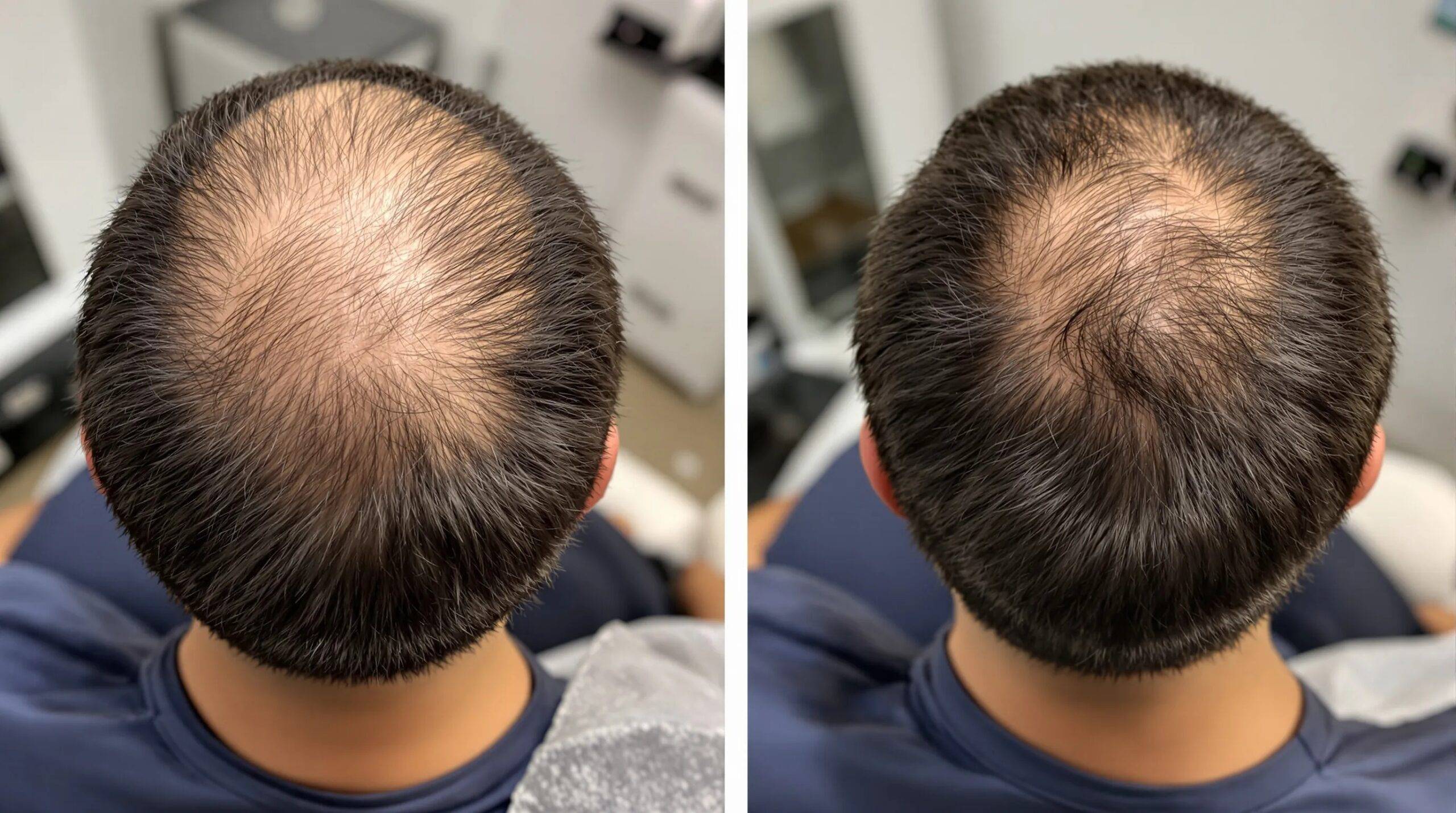
Platelet-rich plasma (PRP) hair restoration before and after photos usually show thicker, denser hair, but the real change happens slowly over several months, not overnight. PRP hair restoration treatment uses platelet rich plasma from a patient's own blood to stimulate hair follicles, improve hair density, and reduce ongoing hair loss when used on the right candidates and with a proper treatment plan. Most patients notice early changes in texture and shedding first, then see visible new hair growth and fullness between three and six months.
PRP therapy non surgical hair restoration can help re-activate dormant hair follicles, slow down androgenic alopecia, and improve overall hair health in thinning areas like the crown area or receding hairline. Many patients experience less hair shedding, stronger existing hair, and a fuller head of hair over time. But, it will not replace hair transplants for areas with complete baldness and no follicles.
Key Takeaways of PRP Hair Restoration Before and After
PRP hair restoration before and after results typically show a 20–30% boost in hair density over 4–6 months, not an overnight transformation.
PRP works best for early to moderate thinning where hair follicles still exist, but cannot regrow hair in areas of complete baldness and often complements, not replaces, hair transplants.
A realistic PRP hair restoration plan usually includes at least three initial sessions spaced about a month apart, followed by maintenance treatments two to four times per year.
Most patients first notice reduced shedding and texture changes, then visible thickening and fuller coverage between months 4 and 12, especially in the crown and part line.
Maximizing PRP hair restoration before and after improvements requires choosing an experienced specialist, following aftercare closely, and combining treatment with other medically guided hair loss therapies when appropriate.
What PRP Hair Restoration Is And How It Works
PRP hair restoration is a minimally invasive hair loss treatment that uses a patient's own platelet rich plasma to stimulate hair growth in thinning or shedding areas of the scalp.
Platelet rich plasma therapy starts with a small blood draw, usually 10–20 milliliters from the arm. That blood is spun in a centrifuge to separate and concentrate the platelets. These platelets are packed with growth factors that help regulate healing, blood supply, and cellular activity in tissues, including hair follicles.
During PRP treatment, the provider injects this concentrated PRP into treatment areas of the scalp with thinning hair or overall thinning. The growth factors signal dormant hair follicles to re-enter the growth phase of the hair cycle. They can also support better blood flow around follicles and support overall hair health.
Who Is (And Is Not) A Good Candidate For PRP Hair Treatment
A good candidate for PRP hair treatment typically has thinning hair, reduced hair density, or early to moderate hair loss, but still has active or dormant hair follicles in the scalp.
PRP hair restoration tends to work best in patients with androgenic alopecia or androgenetic alopecia, where hair follicles are miniaturizing but not completely gone. That includes many people with male pattern baldness, female pattern hair loss, and receding hairline in the initial phase. It can also help some patients with alopecia areata and diffuse thinning, and in some cases stress related hair loss or telogen effluvium once the trigger is controlled. The best way to know if you are a good candidate, schedule a consultation right now.
What To Expect Before Your First PRP Hair Restoration Session
Before the first PRP hair restoration session, the patient usually has a detailed consultation to confirm diagnosis, rule out other causes, and set realistic before and after expectations.
Medical history, medications, and any prior hair loss treatment are reviewed. The evaluation also includes questions about recent illness, pregnancy, major stress, nutrition, and family history of hair loss. A scalp exam looks at hair density, hair thickness, miniaturized hair, and overall thinning across treatment areas such as the crown area, part line, and frontal hairline.
Patients are usually asked to avoid blood thinners and certain supplements if medically safe, to reduce bruising risk. On treatment day, the scalp is cleaned thoroughly and topical anesthetic is applied to numb the skin. Some practices also offer injected local anesthesia for extra comfort.
The provider may take baseline photographs before the initial treatment to document the "before" state. These photos, along with measurements of hair count or hair density, help compare PRP hair restoration before and after results over time. Most patients can drive themselves to and from the appointment and return to normal activities the same day.
The PRP Hair Restoration Procedure Step-By-Step
PRP hair restoration takes about 30–45 minutes with little downtime. A small blood sample is drawn and spun in a centrifuge to concentrate platelet-rich plasma packed with growth factors. The scalp is cleaned and numbed, and some clinics add microneedling before treatment. That can create tiny channels and may help growth factors reach hair follicles more effectively.
The clinician then injects PRP in a grid pattern across thinning areas, targeting receding hairlines and reduced density at the follicle level. Mild redness or tenderness can occur afterward, and patients briefly avoid harsh hair treatments, hot showers, and intense exercise during early recovery.
PRP Hair Restoration Before And After Results Timeline
Understanding the PRP hair restoration before and after timeline helps patients judge progress realistically and avoid unnecessary worry about normal short-term changes.
Weeks 0–2: Immediate Post-Treatment Changes
In the first one to two weeks after PRP treatment, most patients notice the scalp feels sensitive or mildly sore, especially in thinner areas. Redness and tiny needle marks are common right after the procedure and usually fade within hours to a couple of days.
Proper aftercare is important in this window. Patients are usually told to avoid scratching the scalp, heavy sweating, or aggressive hair styling right away. Following these instructions reduces irritation and supports overall hair health.
Months 1–3: Shedding Phase And Early Regrowth
Between one and three months, patients may see short-term hair shedding, which can be alarming but is often part of the process. Some hairs exit the resting phase and fall out, making way for new hair growth from the same follicles.
This shedding is most noticeable in people with diffuse thinning, overall thinning, or stress related hair loss. Patients should discuss any dramatic change with their provider, but mild increased hair shedding can be expected in this stage.
Under the surface, growth factors from PRP therapy are working on dormant hair follicles, encouraging them to move into the growth phase. New hairs start emerging, but they are usually fine and light at first. Photos comparing the first treatment to this stage sometimes reveal early thickening even when patients do not notice.
Months 4–6: Visible Thickening And Density Changes
From month four onward, many patients finally see the "wow" changes they expected when looking at PRP hair restoration before and after photos. New hair growth becomes more visible, and existing hair looks stronger and fuller.
Hair count and overall hair density often increase, especially in the crown area and along the part line. Individual strands can gain hair thickness, so coverage looks better even if the absolute number of hairs rises modestly. Patients report easier styling and less visible scalp through the hair.
Months 6–12+: Final Outcomes And Maintenance
By six to twelve months, PRP hair restoration results tend to reach their peak for the initial series. New hair growth has matured, the growth cycle is more stable, and overall hair health has usually improved.
Studies have reported large increases in hair density, in some cases adding close to 180 hairs per square centimeter in targeted regions. Patients often see a clearly fuller head of hair in photos, with thicker coverage and fewer visible scalp patches. For many patients, this is when they truly appreciate the before and after contrast.
To maintain these gains, most treatment plans include maintenance treatments two to four times per year. Without maintenance, androgenic alopecia and other chronic causes of hair loss may gradually continue, leading to slow decline in hair density again.
Realistic Before And After: How Much Improvement Can You Expect?
PRP hair restoration can produce impressive before and after changes, but realistic expectations are crucial. It improves coverage and density: it rarely restores a teenage hairline. In well-selected patients, studies and clinical experience suggest a 20–30% increase in hair density is a reasonable expectation. Some patients do better, some less, depending on hair follicles' health, hormonal changes, and how early treatment begins.
PRP excels at boosting existing hair and re-activating partially dormant hair follicles. That means stronger, thicker existing hair and less visible scalp. It may also fill in thinning areas enough to restore volume without surgery.
But, areas of complete baldness with no follicles will not show the same hair regrowth. For those zones, PRP is often discussed as an adjunct to hair transplants, not a replacement.
How To Maximize Your PRP Hair Restoration Results in Las Vegas, Nevada
Maximizing PRP hair restoration before and after results requires more than a single session. It takes a structured plan, healthy habits, and collaboration with a skilled provider.
At Las Vegas Medical Institute, most PRP treatment protocols start with at least four treatments spaced about four weeks apart. Some clinicians extend the initial phase to five or six treatments for those with significant hair loss, androgenic alopecia, or long-standing hair thinning. Stopping after just one prp treatment is rarely enough to see full benefit.
Combining PRP with other evidence-based strategies can further stimulate hair growth. Options may include topical or oral medications, low-level clinical light therapies, or selected steroid injections in cases like alopecia areata, always under medical supervision. Nutritional support, stress management, and addressing hormonal changes also support overall hair health.
Frequently Asked Questions About PRP Hair Restoration Before and After: How Results Really Look
What do PRP hair restoration before and after results typically look like?
PRP hair restoration before and after photos usually show thicker, denser hair, less visible scalp, and stronger existing strands. Changes appear gradually: subtle texture and shedding improvements in the first 1–3 months, with more noticeable density, coverage, and easier styling between months 4–6 and beyond.
How long does it take to see PRP hair restoration before and after changes?
Most patients need several months to see clear PRP hair restoration before and after differences. Early shedding or texture changes can appear in the first 1–3 months. Visible thickening and improved density are more common around months 4–6, with peak results and stabilization between 6–12 months after a full treatment series.
Who is the best candidate for PRP hair restoration?
The best candidates have thinning hair, reduced density, or early-to-moderate male or female pattern hair loss where follicles are still present. PRP works well for androgenetic alopecia and some alopecia areata or diffuse thinning, but is less effective in areas of smooth, shiny scalp with complete baldness and no follicles.
Can PRP replace a hair transplant for bald areas?
PRP cannot fully replace a hair transplant in areas of complete baldness. It’s designed to boost and re-activate existing or dormant follicles, not create new ones. In advanced hair loss, PRP is often used as a complementary treatment before or after transplantation to improve overall hair quality and support graft survival.
How many PRP sessions are needed for noticeable before and after results?
Most protocols recommend an initial series of at least three PRP sessions spaced about four weeks apart, sometimes extending to five or six for significant thinning. After this phase, maintenance treatments two to four times per year help preserve and enhance the improvements in natural hair growth density and thickness.
Conclusion and Summary of PRP Hair Restoration Before and After: How Results Really Look
PRP hair restoration before and after photos tell an encouraging story, but the real value lies in understanding the process behind those images and what is realistically achievable.
For many patients with thinning hair, androgenetic alopecia, or early male and female pattern loss, PRP therapy offers a way to stimulate hair growth, strengthen existing hair, and improve overall hair density using their own platelet rich plasma. Results build gradually over months and depend heavily on early diagnosis, a structured treatment plan, and good maintenance.
Anyone considering PRP for hair should start with a thorough medical consultation in a qualified office setting. With clear expectations and a commitment to follow-through, PRP can be a powerful tool in a long-term strategy to preserve and enhance hair.
Ready to Restore Your Hair with Non-Surgical Hair Restoration in Las Vegas?
Thicker Hair. Natural Regrowth. No Downtime.
Unlike hair transplants that require invasive surgery, scarring, and weeks of recovery, our advanced platelet-rich plasma PRP hair restoration uses your body's own healing platelets to naturally stimulate hair follicles and regrow your hair. It's like waking up dormant follicles and giving them the growth factors they need to thrive again.
This isn't hiding under toupees or settling for temporary hair replacement systems. Our medical-grade hair restoration without surgery delivers concentrated growth factors directly into your scalp, targeting the root cause of thinning and triggering natural regrowth where you need it most.
Are You Experiencing These Common Hair Loss Problems?
Receding hairline that keeps moving back.
Thinning crown that’s becoming more visible.
Bald spots that won’t fill in.
Male pattern baldness affecting your confidence.
Female pattern baldness that’s getting worse.
Patchy hair loss in multiple areas.
Frontal hairline thinning and recession.
Sudden hair loss that appeared out of nowhere.
Experience Benefits You Can Actually FEEL:
Natural hair regrowth without surgery or scars.
Thicker, fuller hair that’s actually yours.
No more hiding under toupees or wigs.
Effective non-surgical hair restoration for men and women.
Minimally invasive with no downtime.
Safe, natural solution using your own blood platelets.
Real hair replacement from your own follicles.
And much more!
Why settle for temporary cover-ups or invasive transplants when you can regrow your own hair naturally? PRP hair restoration is trusted by men and women worldwide who've experienced real regrowth in areas they thought were gone forever. Many patients see visible improvements within months, with continued thickening over time.
At Las Vegas Medical Institute, we blend advanced PRP hair restoration technology with physician-led expertise for hair restoration results that restores your hair, appearance, and your confidence.
Ready to regrow your hair naturally? Schedule Your Hair Restoration Consultation here, or call us today at (702) 577-3174 and discover how non-surgical hair restoration is helping men and women across Las Vegas reclaim their full, healthy hair!
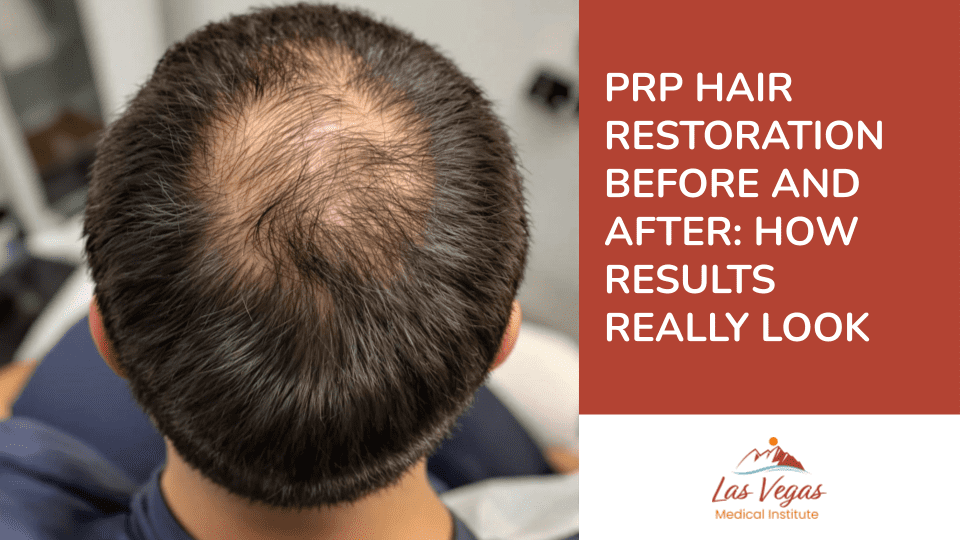
Cover Photo Illustration by: By Las Vegas Medical Institute.
Morpheus8 for arms is a minimally invasive treatment that combines microneedling with radiofrequency energy to tighten loose skin, improve skin texture, and support collagen production in the deeper layers of the skin. For patients bothered by crepey arm skin, mild sagging skin, or uneven texture, it offers a non surgical tightening option with minimal downtime…
Morpheus8 cost in Las Vegas typically runs $1,000–$5,000, depending on the treatment area, and the number of sessions. In plain terms: smaller zones (like under-eyes or targeted acne scars) sit closer to the low end, while larger body areas and more intensive settings push pricing toward the top.For most patients, the fastest way to budget…
Morpheus8 for buttocks is a minimally invasive RF microneedling treatment that can tighten loose skin, improve skin texture, and reduce cellulite-like dimpling by stimulating collagen production, especially when skin laxity is mild. It works by delivering radiofrequency energy through microneedles to heat deeper layers, which helps stimulate collagen production and support firmer skin over the…
Dr. Lucia Mireles-Chavez of Las Vegas Medical Institute was featured on KTNV’s Morning Blend, where she discussed how Morpheus8 and QuantumRF can help improve skin tightening and body contouring with minimal downtime. Patients looking for skin tightening treatments often want to improve skin laxity, sagging skin, and loose skin without committing to a full surgical…