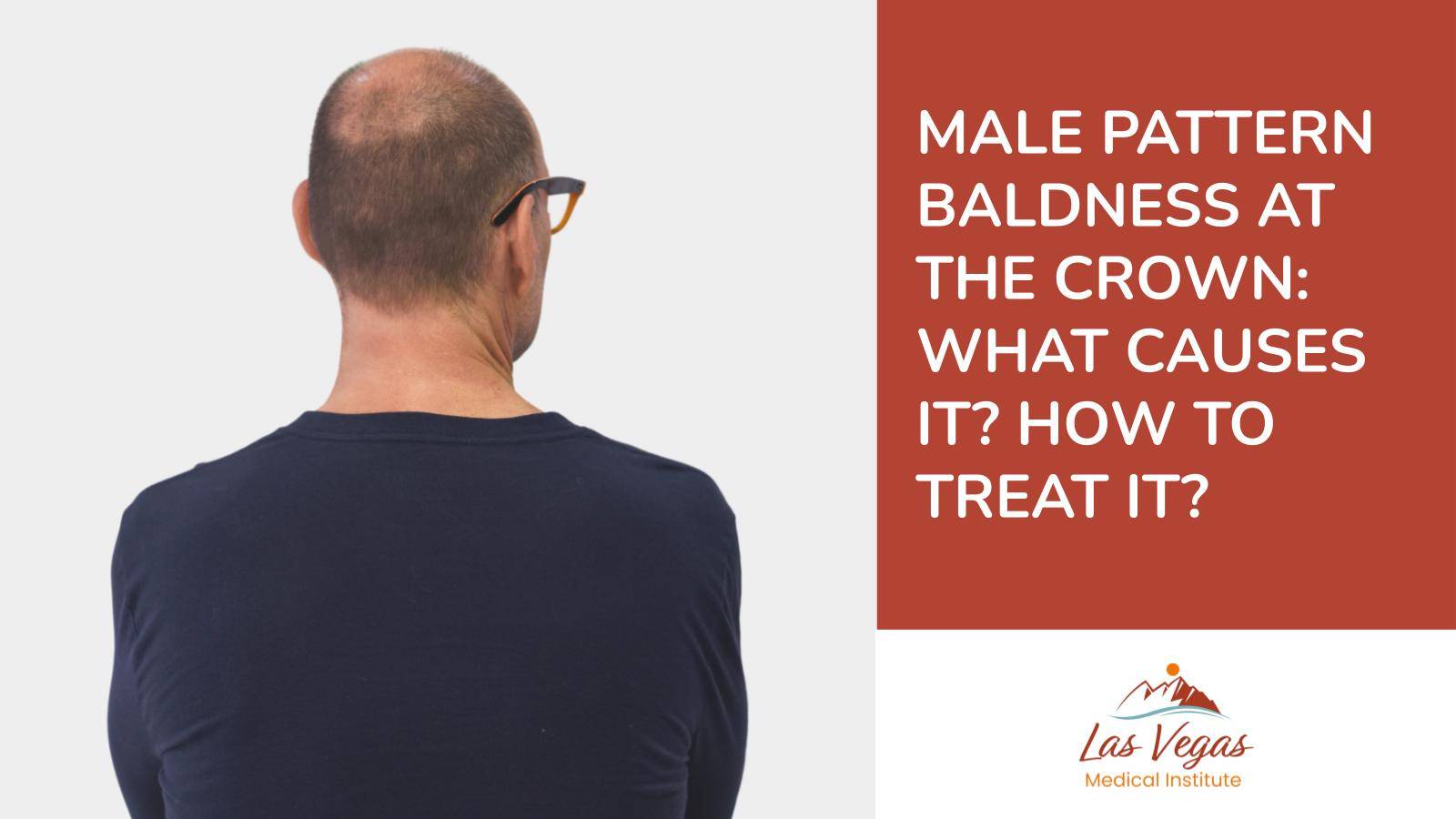
Male pattern baldness crown changes usually start as subtle thinning at the top back of the head, then progress to a visible circular bald spot. This pattern baldness is a common form of androgenetic alopecia and can often be slowed or partially reversed with early, consistent treatment. For most men, the core solution involves getting a clear diagnosis, protecting remaining hair follicles, and using proven medical treatments to stimulate hair growth and prevent further hair loss.
In practice, that means watching for early signs like a thinning crown or widening part, seeing a medical professional early, and considering options like topical treatments, oral medications, and in‑office procedures. Many men can improve hair density at the crown, or at least delay complete baldness, when they act at the first signs. The main pain point is fear of permanent hair loss at a relatively young age, especially when a crown bald spot becomes immediately visible in photos.
Key Takeaways of Male Pattern Baldness at the Crown
Medical treatments for male pattern baldness crown usually require 3–12 months of consistent use to show clear results, and combination therapy often works better than a single approach.
If medications are not enough, options like platelet-rich plasma (PRP) can significantly improve crown coverage and confidence.
What Male Pattern Baldness At The Crown Looks Like
Early signs often appear in photos before they appear in the bathroom mirror. Light from above exposes a thinning crown, making the scalp more visible than before. Men may notice hair density seems lower at the back of the head, even while the frontal hairline looks normal.
Another early change is finer, softer individual hairs in the crown region. These miniaturized hair follicles produce shorter, lighter strands that do not cover the scalp as well. Under bright light or when the hair is wet, the circular area at the top back of the scalp may show through.
A widening part through the crown is also common. After washing and drying, some see more scalp shining through with each month. This can indicate male pattern baldness crown changes rather than simple styling issues. Increased shedding from the crown in the shower or on pillows can raise concern, especially when there is a family history.
How Crown Thinning Progresses Over Time
Crown hair loss usually follows a predictable pattern described by the Norwood scale. In Norwood stage 3 vertex, a small bald spot appears at the crown, surrounded by normal hair. As male pattern hair loss advances to stages 4 and 5, the balding crown widens and the bridge of hair between the frontal hairline and vertex becomes thinner.
Eventually, the crown bald spot can merge with a receding hairline. This creates a large bald area on the top, leaving only a horseshoe‑shaped band of hair at the sides and back. In advanced stages, many men experience male hair loss that leaves the entire top of the scalp almost completely bald.
Not everyone progresses to complete baldness, though. With early treatment options and consistent care, some men keep diffuse thinning rather than a fully visible bald spot. Others stabilize their crown thinning for years, maintaining enough coverage to feel comfortable day to day.
Why The Crown Is Often The First Place Men Notice Balding
The crown area is particularly sensitive to the hormone called dihydrotestosterone, which can shrink hair follicles and affect hair growth more than in other scalp regions.
Genetic And Hormonal Factors Behind Crown Balding
The main driver of male pattern baldness is androgenetic alopecia, sometimes called androgenic alopecia. Genetic factors make certain hair follicles, especially at the crown and hairline, more vulnerable to DHT. Over time, this hormone shortens the growth phase of hair and leads to thinner, weaker strands.
As DHT continues to act, it can shrink hair follicles so much that they no longer produce visible hair. This process, called miniaturization, explains why a person can lose hair density even when they are not seeing many hairs fall out. They still have follicles present, but those follicles are not making normal, terminal hairs.
Lifestyle And Health Factors That Can Make Thinning Worse
While genetic male pattern is the core cause, lifestyle and overall health can speed or slow crown thinning. Periods of intense stress, certain illnesses, and major surgeries can trigger telogen effluvium, a temporary shedding that exposes underlying androgenetic alopecia. Suddenly, a previously mild thinning crown becomes very obvious.
Some medical conditions, such as thyroid disorders or significant nutritional deficiencies, can also affect hair health and hair density. When combined with pattern hair loss, the crown may look patchier and weaker. Medications, harsh bleaching, or certain hair practices that pull tightly, in rare cases, may worsen existing thinning or cause traction alopecia in other areas.
Mental health can influence how people respond. Anxiety about a balding crown may lead to obsessive checking and harsh styling techniques that irritate the scalp. Chronic skin irritation or aggressive scratching can make fragile, thinning hair more likely to break. Addressing overall health and stress does not cure male pattern baldness, but it supports more hair and better treatment results.
Diagnosing Male Pattern Baldness At The Crown
Getting male pattern baldness diagnosed correctly early on is critical, because timing often decides how much hair can be preserved at the crown.
When To See A Dermatologist Or Hair Specialist
A hair restoration specialist, is best equipped to diagnose male pattern baldness at the crown. They examine the scalp closely, sometimes using a dermatoscope to see individual hairs and hair follicles. This helps distinguish male pattern hair loss from telogen effluvium, alopecia areata, or scarring conditions.
They may ask about family history, recent illnesses, medications, and stress. Blood tests can be ordered to rule out thyroid disorders, anemia, or other medical conditions that affect hair growth. In unclear cases, a small scalp biopsy can confirm whether androgenetic alopecia is present.
Seeing a specialist early has another benefit. It allows discussion of medical treatments, timing, and realistic expectations while there is still plenty of hair to protect. This is usually when treatments to stimulate hair growth and prevent further hair loss work best.
Medical Treatments For Crown Baldness
Medical hair loss treatments aim to protect healthy hair follicles at the crown, slow miniaturization, and support hair regrowth where possible.
Topical Medications (Minoxidil And Others)
Topical minoxidil is one of the most common treatments for crown hair loss. It is applied directly to the thinning crown and surrounding areas once or twice a day, depending on the product. Minoxidil helps extend the growth phase of hair and may increase blood flow around follicles.
Oral Medications (Finasteride And Similar Drugs)
Oral finasteride is a key option to treat hair loss in men with confirmed androgenetic alopecia. It works by lowering levels of the hormone called dihydrotestosterone, which drives male pattern changes. By reducing DHT, finasteride helps protect vulnerable crown follicles from further miniaturization.
Combination therapy, using both oral finasteride and topical minoxidil, is common in medical practices. The two approaches target different pathways, offering more hair preservation and a higher chance of visible improvement at the thinning crown.
How Long Treatments Take To Show Results At The Crown
Crown areas often respond more slowly than the frontal hairline. In the first month or two of treatment, some people even notice increased shedding as old hairs fall to make way for new hair. This shedding phase can be frightening but is usually temporary.
Meaningful changes in hair density at the crown typically take three to six months. Photos under consistent lighting help track progress accurately. Peak improvement often appears around twelve months of continuous treatment, though some progress continues beyond that.
If no visible change appears after a year of consistent, correctly used medical treatments, the dermatologist may adjust the plan. They might add other topical treatments, consider platelet-rich plasma injections to promote hair growth in resistant crown areas.
Procedural And Surgical Options Focused On The Crown
When medications are not enough, procedural and surgical hair restoration can help improve hair density and coverage at a balding crown.
Hair Transplant Techniques For Crown Coverage
Hair transplant surgery relocates healthy hair follicles from the back and sides of the scalp into the crown bald spot. These donor follicles are typically resistant to male pattern changes and often continue to grow for many years. Surgeons design the placement to recreate natural whorls and patterns unique to the crown.
Two main techniques are used. Follicular unit transplantation uses a narrow strip of scalp to harvest grafts, while follicular unit extraction takes individual hairs or small follicular units. Both methods can achieve natural‑looking results when performed by an experienced surgeon.
Because the crown covers a relatively large surface area, it can require many grafts for strong coverage. Some men choose to address the frontal hairline first, then the crown later. A thorough consultation helps set priorities, estimate graft needs, and plan for the long term, since male pattern baldness can continue to progress.
Platelet-Rich Plasma Non-Surgical Procedure
Non‑surgical hair restoration can be valuable for men with crown thinning who are not ready for transplant surgery, or who want to support transplanted grafts. Platelet rich plasma involves drawing a small amount of the patient's blood, concentrating the platelets, and injecting them into the thinning crown. Growth factors in PRP are thought to help stimulate hair growth and improve hair health.
These treatments do not regrow hair in completely bald areas, but they may thicken existing thinning hair and support the results of other treatment options directed at the crown.
Frequently Asked Questions About Male Pattern Baldness at the Crown: What Causes it? How to Treat it?
What are the first signs of male pattern baldness at the crown?
Early signs of male pattern baldness at the crown include finer, softer hairs at the vertex, more scalp showing under bright light or when hair is wet, and a gradually widening part. Thinning usually shows up in photos from behind before it’s obvious in the bathroom mirror.
How does crown thinning progress over time in male pattern baldness?
Crown thinning typically follows the Norwood scale. It starts as a small, circular bald spot (stage 3 vertex), then widens in stages 4–5 and may eventually merge with a receding hairline. Advanced stages can leave only a horseshoe-shaped band of hair on the sides and back.
What causes male pattern baldness at the crown specifically?
Male pattern baldness at the crown is driven by androgenetic alopecia. Hair follicles at the vertex are genetically sensitive to dihydrotestosterone (DHT), which shortens the hair growth phase and miniaturizes follicles. Over time, they produce thinner strands and may stop making visible hair altogether, especially with a strong family history.
What are the best treatments for male pattern baldness at the crown?
Evidence-based treatments for crown thinning include topical minoxidil to extend the hair growth phase, and oral finasteride to reduce DHT and protect vulnerable follicles. Many men use both. If medications are not enough, platelet-rich plasma injections, low-level laser therapy, or hair transplant surgery can further improve crown coverage.
How long does it take to see results from crown baldness treatments?
For male pattern baldness crown treatments, some people notice less shedding in the first 1–2 months. Visible thickening at the crown usually appears after 3–6 months, with peak improvement around 12 months of consistent use. Because the crown often responds slowly, photos under the same lighting are useful for tracking progress.
Conclusion and summary of Male Pattern Baldness at the Crown: What Causes it? How to Treat it?
Male pattern baldness at the crown follows a recognizable pattern, from subtle hair thinning to a more obvious crown bald spot that may eventually merge with a receding hairline. Early signs, such as reduced hair density under bright light or a widening part, are the best moment to act.
With timely diagnosis, evidence‑based medical treatments, and, when needed, procedural options like PRP or hair transplant surgery, many men can protect remaining hair and improve coverage. Alongside these medical approaches, good scalp care, thoughtful styling, and emotional support help people handle crown hair loss with confidence.
The most important step is not waiting. Consulting a qualified medical professional at the first signs of crown thinning keeps the widest range of options open and offers the best chance of preserving hair over the long term.
Ready to Restore Your Hair with Non-Surgical Hair Restoration in Las Vegas?
Thicker Hair. Natural Regrowth. No Downtime.
Unlike hair transplants that require invasive surgery, scarring, and weeks of recovery, our advanced platelet-rich plasma PRP hair restoration uses your body's own healing platelets to naturally stimulate hair follicles and regrow your hair. It's like waking up dormant follicles and giving them the growth factors they need to thrive again.
This isn't hiding under toupees or settling for temporary hair replacement systems. Our medical-grade hair restoration without surgery delivers concentrated growth factors directly into your scalp, targeting the root cause of thinning and triggering natural regrowth where you need it most.
Are You Experiencing These Common Hair Loss Problems?
Receding hairline that keeps moving back.
Thinning crown that’s becoming more visible.
Bald spots that won’t fill in.
Male pattern baldness affecting your confidence.
Female pattern baldness that’s getting worse.
Patchy hair loss in multiple areas.
Frontal hairline thinning and recession.
Sudden hair loss that appeared out of nowhere.
Experience Benefits You Can Actually FEEL:
Natural hair regrowth without surgery or scars.
Thicker, fuller hair that’s actually yours.
No more hiding under toupees or wigs.
Effective non-surgical hair restoration for men and women.
Minimally invasive with no downtime.
Safe, natural solution using your own blood platelets.
Real hair replacement from your own follicles.
And much more!
Why settle for temporary cover-ups or invasive transplants when you can regrow your own hair naturally? PRP hair restoration is trusted by men and women worldwide who've experienced real regrowth in areas they thought were gone forever. Many patients see visible improvements within months, with continued thickening over time.
At Las Vegas Medical Institute, we blend advanced PRP hair restoration technology with physician-led expertise for hair restoration results that restores your hair, appearance, and your confidence.
Ready to regrow your hair naturally? Schedule Your Hair Restoration Consultation here, or call us today at (702) 577-3174 and discover how non-surgical hair restoration is helping men and women across Las Vegas reclaim their full, healthy hair!
Cover Image Credit: RawPixel / 123RF.com (Licensed). Photo Illustration by: By Las Vegas Medical Institute.
Male pattern baldness in 40s is usually a genetic, hormone‑driven process that can be slowed significantly, and often stabilized, with proper medical treatment and timing. In most men, androgenetic alopecia shrinks hair follicles in a specific pattern, but starting evidence‑based therapies early in midlife can curb hair loss and preserve hair density. For many, that…
The clearest signs of female pattern baldness are gradual hair thinning on the crown, a widening center hair part, and reduced hair volume while the frontal hairline usually stays intact. This female pattern hair loss, also called androgenetic alopecia, creeps up slowly, so spotting it early is critical for protecting hair density. When caught in…
Anyone searching how to stop receding hairline women wants to know two things: what's causing it, and which treatments can actually slow or reverse it. A receding hairline in women is usually a sign of underlying issues such as androgenetic alopecia, hormonal shifts, medical conditions, or traction from styling, not a random cosmetic flaw. The…
Male pattern baldness treatment cost in Las Vegas, Nevada typically ranges from about $1,000 for basic scalp micropigmentation to $15,000+ for extensive hair transplant surgery. The exact cost depends on the stage of hair loss, and the treatment chosen, especially when surgical hair transplants are involved. For many hair loss patients, mild male pattern baldness…