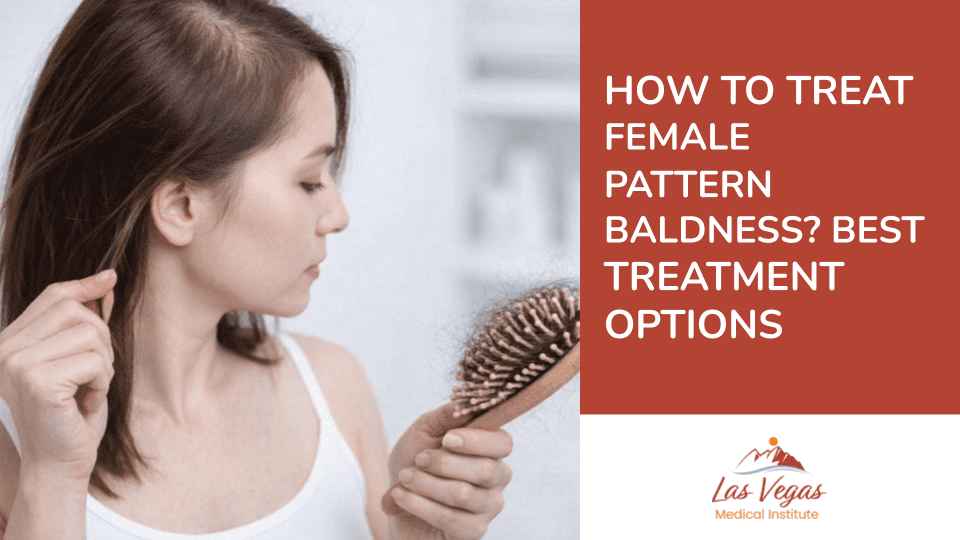
How to treat female pattern baldness effectively often comes down to catching it early and using medical treatments like platelet-rich plasma (PRP) injections. Female pattern hair loss can't usually be "cured," but PRP can stimulate hair growth, improve hair density, and slow further hair loss for many women with thinning hair. That means regular PRP sessions directly into the scalp skin, usually combined with proven options like topical minoxidil and careful scalp care.
For women worried about noticeable widening of the center hair part or diffuse thinning on the crown, the most important steps are: get an accurate diagnosis, rule out conditions like thyroid disease or iron deficiency, and start treatment early. PRP injections use a patient's own blood to deliver concentrated growth factors to weakened hair follicles and the dermal papilla. This encourage thicker hair shafts and new hair growth over several months. PRP hair loss treatment aims to reduce hair shedding and support healthier hair roots with minimal downtime.
Key Takeaways of How To Treat Female Pattern Baldness
To treat female pattern baldness effectively, start early with a proper diagnosis, rule out hair loss causes like thyroid disease or iron deficiency, and then consider platelet-rich plasma (PRP) injections as part of your plan.
Platelet-rich plasma injections use your own blood to deliver growth factors to miniaturized hair follicles, helping extend the growth phase, thicken hair shafts, and slow further thinning over several months.
PRP works best for women with early to moderate female pattern hair loss who still have visible hair, and it typically requires a series of in-office sessions followed by maintenance treatments every few months.
Most women notice reduced shedding after 2–3 PRP sessions and fuller-looking hair within 3–6 months, especially when PRP is combined with topical minoxidil and other hair loss treatments.
Long-term success in treating female pattern baldness with PRP depends on ongoing maintenance, healthy nutrition, gentle scalp care, and regular follow-ups.
Understanding Female Pattern Baldness
Female pattern baldness, also called female pattern hair loss, is the most common cause of hair loss in women and looks very different from male pattern baldness.
What Is Female Pattern Hair Loss?
Female pattern hair loss is a chronic, progressive form of androgenetic alopecia that mainly affects the frontal scalp and crown. Instead of shiny bald patches, most women notice gradual overall thinning and a center hair part that seems wider over time. The hair shaft becomes finer, and the number of visible hairs decreases.
Under the surface, hair follicles shrink in a process called miniaturization. Each growth cycle produces a thinner, shorter hair, until some follicles stop making visible hair at all. Hair density falls, but many follicles remain alive and can still respond to treatment options that stimulate hair growth.
Common Causes And Risk Factors
Female pattern hair loss has a strong genetic component. A family history of hair loss in women or men, including male pattern hair loss or male pattern baldness, increases risk. Genes influence how hair follicles respond to androgens, the hormones related to androgenic alopecia.
Hormonal shifts are another major factor. Polycystic ovary syndrome, postmenopausal changes in estrogen, and conditions that raise androgen levels can all worsen hair thinning. Pre menopausal women with menstrual irregularities, acne, or unwanted hair growth on the face or body may also have higher androgens.
Medical conditions can contribute as well. Thyroid disease, iron deficiency, significant weight gain or loss, and some skin diseases that affect scalp skin may trigger extra hair shedding or telogen effluvium on top of a female pattern. Medications for prostate cancer or other hormonal treatments in a partner can rarely transfer small hormone amounts through skin contact and irritate sensitive follicles.
How PRP Therapy Works For Hair Loss
Platelet-rich plasma injections use a person's own blood to deliver natural growth factors into thinning areas of the scalp and support healthier hair follicles.
What Is Platelet-Rich Plasma?
Platelet-rich plasma is a concentrated part of the blood that contains more platelets than usual. Platelets are tiny cell fragments best known for helping blood clot, but they also store powerful growth factors. To create PRP, a small amount of blood is drawn and spun in a centrifuge.
This spinning process separates the blood into layers. The provider collects the layer rich in platelets and some plasma, while discarding red blood cells. The resulting PRP is then prepared in syringes for careful injection across the frontal scalp, crown, or other thinning areas.
Because PRP comes from the patient's own blood, the risk of allergic reaction is very low. No foreign filler or artificial implant is added. In hair clinics, PRP injections are considered a regenerative hair loss treatment that aims to encourage new hair growth rather than simply masking hair thinning with hair extensions or hair styling techniques.
The Science: Growth Factors And The Hair Cycle
Hair grows in cycles that include a growth phase, a resting phase, and a shedding phase. In female pattern baldness, androgenetic alopecia shortens the growth phase and weakens the hair roots. Over time, this leads to finer hairs and overall thinning.
PRP delivers concentrated growth factors directly around the hair follicles and the dermal papilla, which is the control center at the base of the follicle. These growth factors may help extend the growth phase, improve blood supply, and reduce inflammation in scalp skin. That combination can stimulate hair growth and help existing hairs grow thicker.
Who Is A Good Candidate For PRP Injections?
PRP works best for many women with early to moderate female pattern hair loss who still have visible hair follicles in the thinning areas.
Ideal Candidates And When PRP Works Best
Ideal candidates are women who notice gradual hair thinning on the crown or a noticeable widening of the center hair part, but not shiny, bare scalp. In these cases, many follicles are still alive and can respond when growth factors are delivered around the hair roots.
PRP tends to give better results in early or moderate stages rather than in advanced hair loss. It is often used alongside topical minoxidil or other treatments to help maintain new hair growth and prevent further hair loss. Younger patients and those who start treatment soon after they first lose hair may respond faster.
Women without major medical conditions, who are not on blood-thinning medications, and who can commit to several office visits usually do well. PRP can also support results after hair transplant surgery by improving graft survival and surrounding hair density, though not everyone needs hair transplantation.
Who May Not Be Suitable For PRP
Not every patient can safely receive platelet rich plasma therapy. People with certain blood disorders, low platelet counts, uncontrolled thyroid disease, or active skin disease on the scalp may not be good candidates. A detailed medical history and examination are essential before treatment.
Women with advanced hair loss and large areas of smooth, bald scalp often have too few working follicles left. In those cases, PRP is less likely to treat female pattern baldness effectively, and hair transplant may be discussed instead. Active scalp infections, severe scalp irritation, or contact dermatitis at the injection sites must be treated before considering PRP. Patients who are pregnant, severely anemic, or taking strong blood thinners may also be advised to delay treatment.
What To Expect During PRP Treatment
PRP for hair loss is an in-office procedure that usually takes less than an hour, with minimal downtime and simple aftercare.
Step-By-Step: From Blood Draw To Injection
The visit begins with checking the scalp and confirming target areas, such as the frontal scalp or center hair part. A small amount of blood is then drawn from the arm, similar to standard blood tests. This sample is placed in a centrifuge to separate platelet-rich plasma from other components.
While the blood spins, the provider may apply a topical numbing cream or perform local anesthesia injections to make the scalp more comfortable. Once the PRP is ready, it is drawn into small syringes. The clinician then places a series of tiny injections across the thinning areas in a grid-like pattern.
Most injections are shallow, just into the upper layers of the scalp skin around the hair follicles. The actual injection process usually takes 10 to 20 minutes, depending on the size of the thinning areas. Afterward, the scalp might look slightly pink or swollen, but this usually settles within a day.
Treatment Schedule, Sessions, And Maintenance
Most women need a series of PRP sessions to see meaningful changes in hair density. A common treatment schedule starts with three sessions, spaced about four weeks apart. This initial series aims to saturate the target area with growth factors and restart more active hair growth cycles.
After the first phase, maintenance treatments every four to six months are typical, depending on how quickly the individual tends to lose hair. Some patients may need more frequent visits in the first year, especially with advanced hair loss or strong family history. The provider adjusts the plan based on visible new hair growth, reduced hair shedding, and scalp health.
Because female pattern baldness is chronic, ongoing maintenance is usually necessary, whether using PRP, topical minoxidil, or other treatments. Stopping all therapies often leads to gradual return of hair thinning over time.
Effectiveness, Results, And Safety Of PRP
PRP is a promising option to treat female pattern baldness, but results vary, and it works best as part of a broader hair loss treatment plan.
When You Can Expect To See Results
Hair growth is slow, so results from PRP appear gradually. Most women do not see major changes after the first session alone. Instead, subtle reductions in hair shedding and early new hair growth can show up after two to three treatments.
Visible improvement in hair density usually appears between three and six months, once several hair cycles have passed. Thinning areas may look fuller, and the center hair part can appear less wide. Many women notice easier styling and overall thicker hair rather than dramatic overnight changes.
Continued maintenance is important to preserve gains. If treatments stop completely, female pattern baldness continues its natural course, and hair thinning may slowly return over time..
Combining PRP With Other Treatments For Female Pattern Baldness
PRP works best when combined with other evidence-based treatment options that support healthy hair growth and scalp health.
Topical And Oral Medications
Topical minoxidil remains the only FDA-approved medication for hair loss in women. Most women use a 2% or 5% solution or foam once or twice daily on thinning areas. It can lengthen the hair growth phase and increase hair density over time.
Many women continue topical minoxidil during PRP therapy, as the two approaches target hair follicles in different ways. Some dermatologists also use oral medications such as spironolactone off-label to lower androgen effects in women with signs of hormonal imbalance, like acne or unwanted hair growth.
PRP can also be used before or after hair transplantation to improve graft survival and treat surrounding hair thinning. It is not a replacement for hair transplant in very advanced hair loss, but it can be a useful partner.
Lifestyle, Nutrition, And Scalp Care
Medical treatments work best when the basics of healthy hair are in place. Adequate protein intake, iron levels, vitamin D, and overall nutrition support new hair growth. If blood tests reveal iron deficiency or other issues, correcting them is a key part of treating hair loss in women.
Chronic stress, poor sleep, and crash diets can worsen hair thinning and trigger telogen effluvium on top of a female pattern. Managing stress, stabilizing weight changes, and treating underlying medical conditions such as thyroid disease can reduce extra hair shedding.
Gentle hair care methods also matter. Avoiding tight hairstyles, harsh chemical treatments, and frequent high-heat styling helps reduce hair breakage. Mild shampoos and soothing scalp products can protect scalp skin, especially for patients using topical minoxidil or other medications that sometimes irritate.
Frequently Asked Questions About How to Treat Female Pattern Baldness? Best Treatment Options
How do platelet-rich plasma injections help treat female pattern baldness?
Platelet-rich plasma (PRP) injections treat female pattern baldness by delivering concentrated growth factors from your own blood. These growth factors can extend the growth phase, improve blood supply, and reduce inflammation, leading to thicker hair shafts, better hair density, and reduced shedding over several months.
What is the best way to treat female pattern baldness with PRP and other therapies?
The most effective way to treat female pattern baldness is a combination approach: early diagnosis, ruling out issues like thyroid disease or iron deficiency, consistent topical minoxidil use, and a series of PRP sessions. Oral anti-androgens is also recommended, nutrition optimization, and gentle scalp care for stronger, fuller-looking hair.
When should I consider PRP injections for female pattern hair loss?
PRP injections are most helpful in early to moderate female pattern hair loss, when thinning is visible but the scalp is not completely bald. If you notice widening of your part or diffuse thinning at the crown, see a dermatologist promptly, starting PRP and other treatments early usually leads to better, faster responses.
How long do PRP results for female pattern baldness usually last?
Most women begin seeing visible improvement in hair density within 3–6 months after a series of three monthly PRP sessions. Because female pattern hair loss is chronic, results are maintained with ongoing maintenance injections every 4–6 months and continued medical treatments; stopping everything often leads to gradual thinning again.
Is PRP better than minoxidil alone for treating female pattern baldness?
PRP and minoxidil work in different ways, so they are often more effective together than either alone. Minoxidil is applied daily to prolong hair growth, while PRP periodically bathes follicles in growth factors. Studies suggest combination therapy can improve hair count and thickness more than minoxidil-only regimens for many women.
Conclusion and Summary of How to Treat Female Pattern Baldness? Best Treatment Options
Female pattern hair loss is common, frustrating, and often under-treated, but it is not hopeless. PRP offers a regenerative way to treat female pattern baldness by harnessing the body's own growth factors to support struggling hair follicles.
For many women, the best results come from a combination approach. Early diagnosis, medical evaluation for conditions like thyroid disease or iron deficiency, consistent topical minoxidil, and a series of PRP injections can work together to preserve hair density and encourage new hair.
Choosing Las Vegas Medical Institute, asking the right questions, and committing to follow-up care give patients the strongest chance of seeing meaningful improvement. While no current treatment can guarantee full restoration for every case, PRP has become an important option in modern strategies to treat hair loss in women and maintain healthier, fuller-looking hair over time.
Ready to Restore Your Hair with Non-Surgical Hair Restoration in Las Vegas?
Thicker Hair. Natural Regrowth. No Downtime.
Unlike hair transplants that require invasive surgery, scarring, and weeks of recovery, our advanced platelet-rich plasma PRP hair restoration uses your body's own healing platelets to naturally stimulate hair follicles and regrow your hair. It's like waking up dormant follicles and giving them the growth factors they need to thrive again.
This isn't hiding under toupees or settling for temporary hair replacement systems. Our medical-grade hair restoration without surgery delivers concentrated growth factors directly into your scalp, targeting the root cause of thinning and triggering natural regrowth where you need it most.
Are You Experiencing These Common Hair Loss Problems?
Receding hairline that keeps moving back.
Thinning crown that’s becoming more visible.
Bald spots that won’t fill in.
Male pattern baldness affecting your confidence.
Female pattern baldness that’s getting worse.
Patchy hair loss in multiple areas.
Frontal hairline thinning and recession.
Sudden hair loss that appeared out of nowhere.
Experience Benefits You Can Actually FEEL:
Natural hair regrowth without surgery or scars.
Thicker, fuller hair that’s actually yours.
No more hiding under toupees or wigs.
Effective non-surgical hair restoration for men and women.
Minimally invasive with no downtime.
Safe, natural solution using your own blood platelets.
Real hair replacement from your own follicles.
And much more!
Why settle for temporary cover-ups or invasive transplants when you can regrow your own hair naturally? PRP hair restoration is trusted by men and women worldwide who've experienced real regrowth in areas they thought were gone forever. Many patients see visible improvements within months, with continued thickening over time.
At Las Vegas Medical Institute, we blend advanced PRP hair restoration technology with physician-led expertise for hair restoration results that restores your hair, appearance, and your confidence.
Ready to regrow your hair naturally? Schedule Your Hair Restoration Consultation here, or call us today at (725) 258-5864 and discover how non-surgical hair restoration is helping men and women across Las Vegas reclaim their full, healthy hair!
Cover Photo Illustration by: By Las Vegas Medical Institute.
The P-Shot, also known as the Priapus Shot, is one of the most discussed regenerative autologous treatments in men's sexual health today. It uses platelet rich plasma drawn from the patient's own blood to support sexual function, sexual performance, and overall vitality. For men dealing with erectile dysfunction or simply looking to maintain peak performance,…
Morpheus8 for arms is a minimally invasive treatment that combines microneedling with radiofrequency energy to tighten loose skin, improve skin texture, and support collagen production in the deeper layers of the skin. For patients bothered by crepey arm skin, mild sagging skin, or uneven texture, it offers a non surgical tightening option with minimal downtime…
Morpheus8 cost in Las Vegas typically runs $1,000–$5,000, depending on the treatment area, and the number of sessions. In plain terms: smaller zones (like under-eyes or targeted acne scars) sit closer to the low end, while larger body areas and more intensive settings push pricing toward the top.For most patients, the fastest way to budget…
Morpheus8 for buttocks is a minimally invasive RF microneedling treatment that can tighten loose skin, improve skin texture, and reduce cellulite-like dimpling by stimulating collagen production, especially when skin laxity is mild. It works by delivering radiofrequency energy through microneedles to heat deeper layers, which helps stimulate collagen production and support firmer skin over the…