Bald Spots on Your Head? Causes, Treatments, When to Worry
Authored by: Dr. Juan Chavez, MD and Dr. Lucia Mireles-Chavez, MD
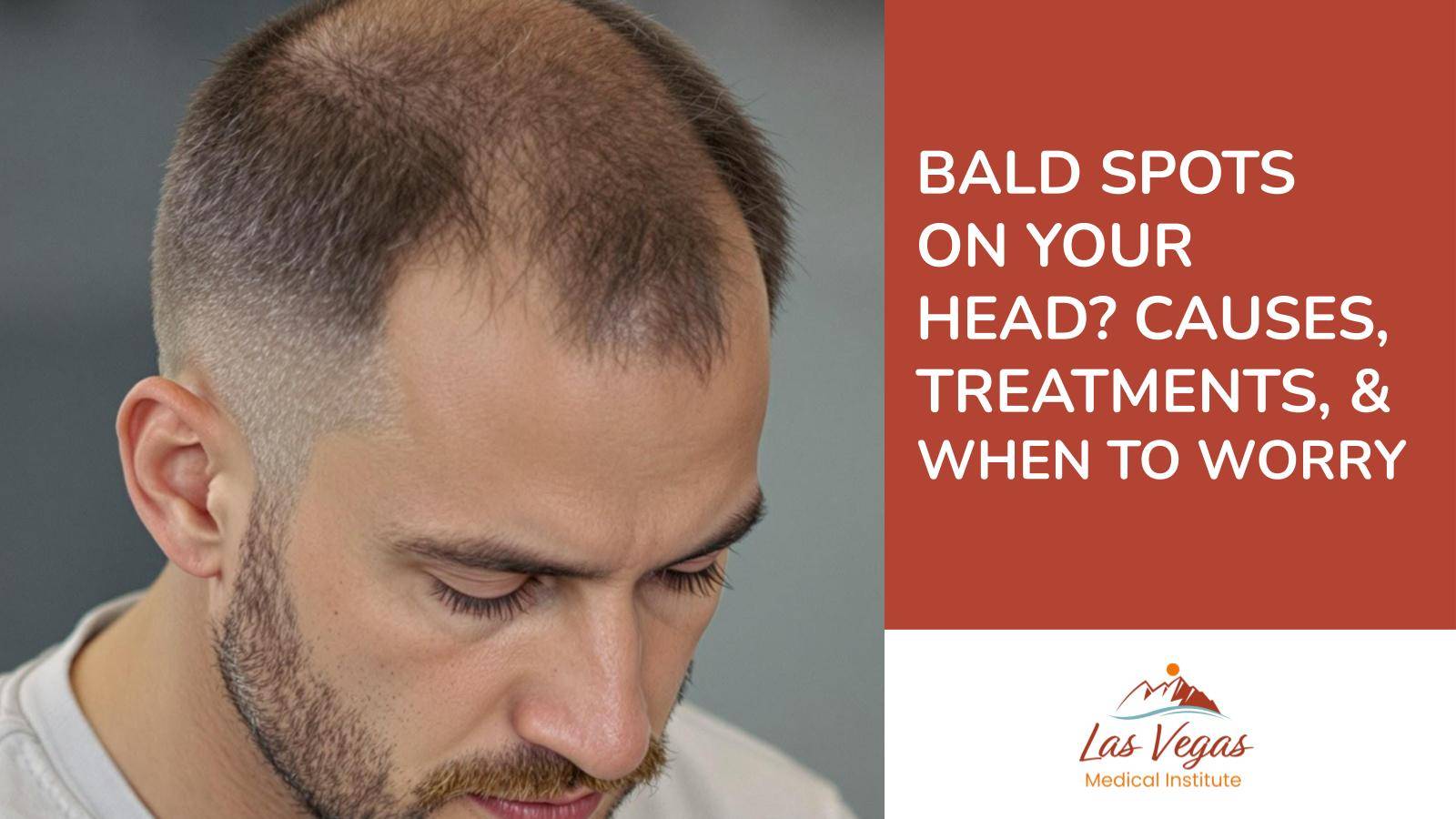
Bald spots on head usually appear when hair follicles in one area stop producing normal hair, leading to thinner coverage or smooth bare skin on the scalp. In many cases, this type of hair loss is treatable or at least manageable, when identified early. The key is to notice new bald patches quickly and get a proper medical evaluation instead of guessing or waiting.
Most people first see increased scalp show‑through, circular bald patches, or a receding hairline or crown. They might find more hair on the pillow or in the shower along with visible thinning hair. Early attention can slow further hair loss, support hair regrowth where possible, and prevent permanent damage when scarring or infection is involved. Common causes include male and female pattern baldness, alopecia areata, scalp infections, hormonal changes, and nutritional deficiencies.
Key Takeaways of Bald Spots On Head
- Bald spots on head usually signal underlying issues like pattern baldness, alopecia areata, infections, or nutritional and hormonal imbalances.
- Recognizing early signs can help prevent permanent follicle damage.
- Accurate diagnosis of bald spots on the scalp may involve scalp examination, dermoscopy, blood tests, and sometimes biopsy.
- Evidence-based treatments for bald spots on head include topical and oral medications, platelet rich plasma, and in some cases hair transplant surgery.
- Gentle hair care, balanced nutrition, stress management, or cosmetic solutions can significantly improve hair health and quality of life.
What Counts As A Bald Spot And How To Recognize It Early
A bald spot is an area of the scalp where hair density is clearly reduced or fully absent compared with nearby hair, revealing more scalp or bare skin.
Common Visible Signs To Watch For
People often notice bald spots on head first in photos, mirrors, or under bright bathroom lights. The scalp suddenly looks more visible in one part of the head than others.
Common early signs include increased scalp show‑through in a specific area and circular or oval thinning patches. These patches may show short hairs, broken hairs, or completely smooth skin, depending on the cause.
A receding hairline or thinning at the crown can signal early male pattern baldness or female pattern baldness. Some see more hair falls on the pillow, in the shower drain, or in their brush, plus a specific area that looks thinner. With alopecia areata, circular bald patches often appear suddenly over a short period. The skin usually looks smooth, and there may be tiny "exclamation point hairs" at the edges of the patch.
Who Typically Gets Bald Spots And Why
Bald spots can affect both men and women, and risk increases with age and family history of hereditary hair loss. Some children and younger adults also develop alopecia areata or scalp infections.
Male pattern baldness and female pattern baldness are strongly linked to genetics and androgens. When this type of hair loss occurs, follicles slowly miniaturize, leading to gradual thinning rather than complete loss at once.
Alopecia areata can occur in otherwise healthy people when the immune system attacks hair follicles. Many patients have a personal or family history of autoimmune diseases, allergies, or other immune conditions.
Scalp infections, inflammatory diseases, hormonal changes, nutritional deficiencies, and major illnesses can trigger hair loss as well. People with thyroid disorders or high blood pressure medications sometimes report new hair thinning after treatment changes.
Certain lifestyle factors, like severe stress, crash dieting, or a big surgery, can trigger hair to fall in a diffuse pattern called telogen effluvium. This can unmask underlying pattern baldness, making bald spots more obvious.
Major Causes Of Bald Spots On The Scalp
Most bald spots come from a few main categories of hair loss. Understanding these helps guide realistic expectations for hair regrowth and long‑term management.
Androgenetic Alopecia (Male And Female Pattern Baldness)
Androgenetic alopecia is the most common type of hair loss worldwide. In male pattern baldness, hair thinning starts at the temples and crown, often leaving a receding hairline and a bald spot on the vertex.
In female pattern baldness, hair thinning usually appears as widening of the part or diffuse thinning on the crown, rather than a sharp receding hairline. The hair loss occurs slowly over years.
With pattern baldness, hair follicles miniaturize under the influence of androgens in genetically susceptible people. Each hair grows thinner and shorter, and the growth phase becomes shorter.
Alopecia Areata And Other Autoimmune Hair Loss Conditions
Alopecia areata is an autoimmune disorder where the immune system attacks hair follicles. This leads to sudden circular bald patches on the scalp or body hair, often with smooth skin.
Typical symptoms of alopecia areata include patchy hair loss, circular bald patches, and exclamation point hairs that are thinner at the base. Some patients notice nail pitting or ridging as another sign.
In more severe forms, alopecia areata totalis causes hair loss on the entire scalp. Alopecia areata universalis affects the entire body, including eyebrows and eyelashes, causing widespread hair loss.
Hair regrowth is possible, especially in milder cases and with treatment. But, this autoimmune disease can be unpredictable, with cycles of hair loss and new hair appearing over time.
Scalp Infections, Inflammation, And Scarring Conditions
Scalp infections are another important cause of bald spots on head. Fungal infection such as tinea capitis can lead to circular bald patches, scaling, and sometimes black dots where hairs broke off.
Untreated scalp infections may cause permanent scarring and loss of follicles. Early diagnosis and antifungal treatment at a medical office can prevent long‑term damage.
Trauma, burns, or tight hairstyles that cause chronic pulling can also damage follicles and create scarring alopecia. Once scar tissue replaces follicles, hair regrowth becomes very difficult.
Lifestyle, Stress, And Nutritional Triggers
Many patients notice hair thinning after a stressful event, such as major illness, childbirth, surgery, or emotional shock. This can trigger hair loss called telogen effluvium.
In telogen effluvium, more hairs than usual enter the shedding phase at once. Hair falls out diffusely over the scalp, sometimes unmasking underlying pattern baldness or making small bald spots more obvious.
Nutritional deficiencies, including low iron, protein, zinc, or vitamin D, can trigger hair loss or slow hair growth. Crash diets and restrictive eating increase risk factors for this type of shedding.
Getting A Proper Diagnosis For Bald Spots
Accurate diagnosis of bald spots on the scalp is essential before starting treatment. Different causes need different strategies, so guessing at home is risky.
What Your Doctor Or Dermatologist Will Examine
During an office visit, the healthcare provider begins with a detailed medical history. They ask about onset, family history, medications, recent illnesses, stress, and any other symptoms.
They perform a physical examination of the scalp and skin. The doctor looks at the pattern of hair loss, patch shape, presence of scaling, redness, or scarring, and checks for tenderness.
Dermoscopy, a magnified lighted tool, helps them see hair shafts and follicles in more detail. This can reveal short hairs, broken hairs, exclamation point hairs, or scaling that suggests fungal infection.
The provider may also inspect eyebrows, eyelashes, and body hair for signs of alopecia areata or other conditions. A general physical exam can reveal clues to thyroid disorders or other systemic medical conditions.
Tests And Scans That May Be Used
Depending on the findings, blood tests may be ordered. These can check thyroid function, iron levels, vitamin levels, hormones, and signs of autoimmune diseases.
If scaling or broken hairs suggest fungal infection, the doctor may perform a scalp scraping. The sample is examined for fungal elements to confirm tinea capitis or related problems.
A scalp biopsy may be needed when scarring alopecia is suspected. This minor procedure removes a small skin sample under local anesthesia for microscopic analysis.
Sometimes ultraviolet light can help visualize certain scalp infections or pigment changes. Together, these tests clarify the type of hair loss and guide the most appropriate treatment options.
Medical And Professional Treatment Options
Once the type of hair loss is clear, the dermatologist can recommend targeted treatment in a medical office setting. The goals are to prevent further hair loss and support new growth when possible.
Topical And Oral Medications
Topical minoxidil is commonly prescribed for androgenetic alopecia in both men and women. It can slow further hair loss and encourage hair regrowth in many patients.
For men with pattern baldness, oral finasteride or dutasteride may be used to block specific hormones that shrink follicles. Women sometimes receive anti‑androgens such as spironolactone, depending on their medical history.
In inflammatory scalp disease and alopecia areata, doctors may use topical corticosteroids or medicated solutions. These reduce inflammation so hair follicles can recover. Oral corticosteroids may be prescribed for short periods in some severe or rapidly progressing cases of alopecia areata. Because side effects can be significant, they are monitored closely.
Procedures: Injections, Laser Therapy, And Hair Transplant Surgery
Corticosteroid injections directly into bald patches are a mainstay for alopecia areata. Many patients see new hair growth within weeks or months after a series of injections.
Platelet rich plasma therapy is another office‑based procedure. A patient's blood is processed, then platelets are injected into thinning areas to promote healing and hair growth.
Some clinics use low‑level laser therapy devices as an adjunct treatment for pattern baldness. Evidence is moderate, and it is usually combined with other treatments rather than used alone.
Treating Underlying Health Or Scalp Conditions
When scalp infections such as fungal infection are present, antifungal medications are essential. These may be oral drugs or medicated shampoos, prescribed and monitored in a clinical setting.
For autoimmune or scarring conditions, treatment focuses on calming the immune system. This might include topical or oral medications and close follow‑up for new symptoms.
If blood tests reveal thyroid disorders, nutritional deficiencies, or other medical conditions, those issues must be addressed. Correcting low iron or thyroid imbalance often improves hair growth over time.
Frequently Asked Questions About Bald Spots on Your Head? Causes, Treatments, When to Worry
What causes bald spots on head in men and women?
Bald spots on head commonly result from androgenetic alopecia (male or female pattern baldness), alopecia areata, scalp infections, inflammatory or scarring conditions, hormonal changes, and nutritional deficiencies. Stress, major illness, surgery, or crash dieting can also trigger shedding that makes existing thin areas or bald patches more noticeable.
How can I tell if a bald spot is serious and needs a doctor?
See a dermatologist quickly if you notice sudden circular bald patches, redness, pain, swelling, pus, thick scaling, or shiny scar-like areas on the scalp. Hair loss with fatigue, weight changes, menstrual changes, or body-hair loss (eyebrows, eyelashes) also deserves prompt medical evaluation and blood tests.
Can bald spots on head grow back?
Whether bald spots grow back depends on the cause. Conditions like alopecia areata, telogen effluvium, and nutritional deficiencies often allow regrowth, especially with early treatment. Scarring alopecias, severe infections, burns, or long-term traction may cause permanent follicle damage, where hair regrowth is very limited and options focus on surgery or camouflage.
What are the best treatments for bald spots on head?
Treatment is tailored to the diagnosis. Options include topical minoxidil, oral medications like finasteride or spironolactone, corticosteroid creams or injections, antifungal drugs for infections, platelet rich plasma (PRP), low-level laser therapy, and hair transplant surgery. Correcting thyroid or nutrient problems and improving stress and hair-care habits also support better outcomes.
Can changing my diet or taking supplements stop bald spots?
Improving diet can help if hair loss is linked to low iron, protein, zinc, vitamin D, or other deficiencies. However, supplements only work when there is a proven deficiency; extra vitamins will not reverse genetic pattern baldness. Always confirm levels and dosages with a healthcare provider before starting supplements.
What is the difference between alopecia areata and pattern baldness?
Alopecia areata is an autoimmune disease that causes sudden, round bald patches on an otherwise normal-looking scalp and may affect brows or body hair. Pattern baldness is hereditary and progresses slowly, causing receding hairlines or crown thinning. Follicles miniaturize over time in pattern baldness, rather than falling out abruptly.
Conclusion and Summary of Bald Spots on Your Head? Causes, Treatments, When to Worry
Bald spots on head are common, but they are not all the same. Causes range from hereditary hair loss and pattern baldness to alopecia areata, infections, and systemic disease.
Early recognition of circular bald patches, receding hairline, or patchy hair loss, followed by a proper medical evaluation, gives the best chance to protect hair follicles. A combination of office‑based treatment, healthy habits, and emotional support can help many people see new hair, prevent further hair loss, and feel more confident living with or treating bald spots.
Ready to Restore Your Hair with Non-Surgical Hair Restoration in Las Vegas?
Thicker Hair. Natural Regrowth. No Downtime.
Unlike hair transplants that require invasive surgery, scarring, and weeks of recovery, our advanced platelet-rich plasma PRP hair restoration uses your body's own healing platelets to naturally stimulate hair follicles and regrow your hair. It's like waking up dormant follicles and giving them the growth factors they need to thrive again.
This isn't hiding under toupees or settling for temporary hair replacement systems. Our medical-grade hair restoration without surgery delivers concentrated growth factors directly into your scalp, targeting the root cause of thinning and triggering natural regrowth where you need it most.
Are You Experiencing These Common Hair Loss Problems?
- Receding hairline that keeps moving back.
- Thinning crown that’s becoming more visible.
- Bald spots that won’t fill in.
- Male pattern baldness affecting your confidence.
- Female pattern baldness that’s getting worse.
- Patchy hair loss in multiple areas.
- Frontal hairline thinning and recession.
- Sudden hair loss that appeared out of nowhere.
Experience Benefits You Can Actually FEEL:
- Natural hair regrowth without surgery or scars.
- Thicker, fuller hair that’s actually yours.
- No more hiding under toupees or wigs.
- Effective non-surgical hair restoration for men and women.
- Minimally invasive with no downtime.
- Safe, natural solution using your own blood platelets.
- Real hair replacement from your own follicles.
- And much more!
Why settle for temporary cover-ups or invasive transplants when you can regrow your own hair naturally? PRP hair restoration is trusted by men and women worldwide who've experienced real regrowth in areas they thought were gone forever. Many patients see visible improvements within months, with continued thickening over time.
At Las Vegas Medical Institute, we blend advanced PRP hair restoration technology with physician-led expertise for hair restoration results that restores your hair, appearance, and your confidence.
Ready to regrow your hair naturally? Schedule Your Hair Restoration Consultation here, or call us today at (725) 258-5864 and discover how non-surgical hair restoration is helping men and women across Las Vegas reclaim their full, healthy hair!
Cover Photo Illustration by: By Las Vegas Medical Institute.