Who Is a Candidate for Facial Rejuvenation?
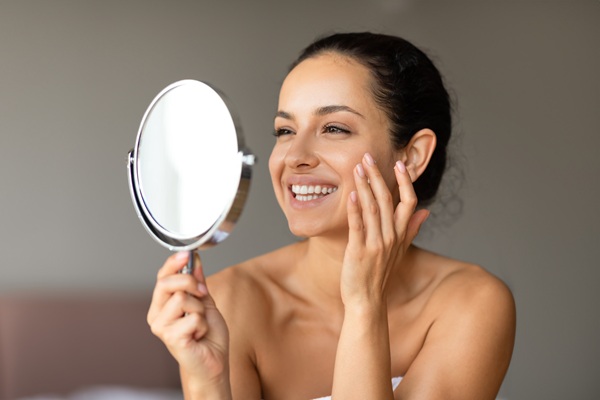
Facial rejuvenation is a great option to consider when wanting to appear more youthful. A lot of people opt for facial rejuvenation procedures because they are not always invasive and the results tend to be long-lasting. However, with any medical procedure comes the possibility of not being a good candidate. Thankfully, there are many different procedures that fall under the facial rejuvenation tree, which means each individual has options when it comes to wanting to improve imperfections.
Ready to learn more about facial rejuvenation and what makes someone a good candidate?
Reasons to undergo facial rejuvenation
There are a lot of good reasons to consider facial rejuvenation, but in short, patients who want a more youthful appearance should look into the different procedures that could be beneficial. Some of the more common reasons to undergo facial rejuvenation include a loss of facial volume, fine lines, wrinkles, sagging skin, age spots, experiencing changes in skin tone or texture, no longer having a healthy glow, or experiencing some level of sun damage.
Of course, every patient is unique and will exhibit different combinations of genetic and environmental signs of aging that impact their skin. Regardless of the reason, facial rejuvenation can be quite beneficial for those suffering from any number of skin irritations or abnormalities.
Aside from having a desire to appear younger, there is also the possibility that one just simply wants to improve certain imperfections or abnormalities in the facial region.
Candidates for facial rejuvenation
Below is a list that includes information on what makes a good candidate for undergoing a facial rejuvenation procedure. Having an understanding of this information can be helpful to those who are curious about whether or not they are eligible for facial rejuvenation treatments.
Good overall physical health
It is essential for anyone who is interested in undergoing a facial rejuvenation procedure to be in good physical health. This means many people who are living with certain diseases like diabetes, heart disease, or high blood pressure may not be approved to undergo certain rejuvenation procedures.
It is also important for potential candidates to not smoke, limit their alcohol intake, and be at a healthy weight. Those who do smoke heavily or excessively drink may be advised to change these habits for quite some time before considering facial rejuvenation. Both tobacco usage and alcohol can interfere with some of the products and approaches that are used in facial rejuvenation procedures.
Candidates must be realistic about the end result
While it is possible for a facial rejuvenation procedure to make great and positive changes to someone’s face, it is important for them to be realistic about the outcome. For example, while someone may want to look 20 years younger, realistically speaking, they may only end up looking 10 years younger. When considering facial rejuvenation, is it important to set realistic expectations so that surprises or disappointments do not pop up later.
Aside from the actual end result, it is also crucial to understand that results may not show up overnight. There are rarely procedures that produce results that show within hours, let alone days. With facial rejuvenation, there may be periods of healing or recovery in which the face will slowly adjust. On the other hand, in some cases, there may be multiple rounds of treatment necessary before results even show.
Working closely with the medical specialist will help the patient set appropriate expectations ahead of time. The medical specialist can provide accurate timelines, which allows for expectations to be set.
Candidates must make a commitment to protect their facial skin
Prior to undergoing a facial rejuvenation procedure, the patient must commit to taking care of their new look. This requires them to perform certain actions, like drinking plenty of water every day, staying out of the sun (or wearing sunscreen and a hat), not smoking, limiting alcohol consumption, and maintaining a healthy weight.
In addition to lifestyle changes, the patient should also be sure to visit a medical specialist after the treatment. Oftentimes, follow-up care and appointments are necessary to check progress and healing.
Ready to learn more?
Those who are considered to be good candidates for undergoing one or more facial rejuvenation procedures should make a list of reasons why they are in need of rejuvenation, as this question will be asked during a consultation appointment. Once approved to undergo facial rejuvenation, a personalized treatment plan will be made by the specialist.
Are you considering facial rejuvenation in the Las Vegas area? Get more information at https://www.Lasvegasmedicalinstitute.com.
Related Posts
The P-Shot, also known as the Priapus Shot, is one of the most discussed regenerative autologous treatments in men's sexual health today. It uses platelet rich plasma drawn from the patient's own blood to support sexual function, sexual performance, and overall vitality. For men dealing with erectile dysfunction or simply looking to maintain peak performance,…
Morpheus8 for arms is a minimally invasive treatment that combines microneedling with radiofrequency energy to tighten loose skin, improve skin texture, and support collagen production in the deeper layers of the skin. For patients bothered by crepey arm skin, mild sagging skin, or uneven texture, it offers a non surgical tightening option with minimal downtime…
Morpheus8 cost in Las Vegas typically runs $1,000–$5,000, depending on the treatment area, and the number of sessions. In plain terms: smaller zones (like under-eyes or targeted acne scars) sit closer to the low end, while larger body areas and more intensive settings push pricing toward the top.For most patients, the fastest way to budget…
Morpheus8 for buttocks is a minimally invasive RF microneedling treatment that can tighten loose skin, improve skin texture, and reduce cellulite-like dimpling by stimulating collagen production, especially when skin laxity is mild. It works by delivering radiofrequency energy through microneedles to heat deeper layers, which helps stimulate collagen production and support firmer skin over the…