Weight Loss Treatments From a Wellness Center
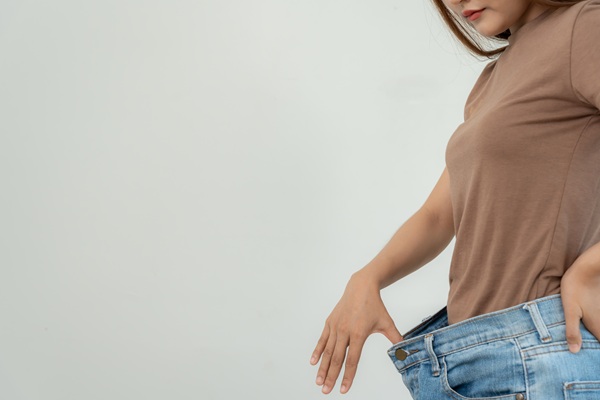
Healthy weight loss can have a ripple effect across your entire life. The truth is, while many weight loss treatment and programs are available, they mainly focus on a number on the scale and appearance. On the other hand, a wellness center provides you with a personalized plan that focuses on overall well-being while equipping you with the tools to lose weight and sustain the results after completing the program.
Wellness centers' approach to weight loss treatments
Choosing to embark on a weight loss journey at a wellness center means patients opt for an individualized approach. Wellness centers mainly focus on providing weight loss treatments, considering the interplay between physical, mental, and emotional factors contributing to weight gain. While dieting and exercise regimes are a part of each type of program, they are not the sole focus.
Here are some of the core attributes of a weight loss program.
Nutrition counseling
Nutritional counseling is a fundamental part of weight loss treatments, no matter the type. During the program, patients must meet with the wellness center's licensed medical practitioners; the frequency of visits varies per patient and plan. During these sessions, patients will learn to develop personalized meal plans and the science behind each food they choose, such as nutrient density and caloric intake. Learning the information, portion control, and mindful eating will be much easier to sustain.
Habit modification
It is no secret that humans are creatures of habit. Therefore, one often struggles with sustainable weight loss because they resort to old habits, continuing what is known as the "yo-yo cycle."Wellness centers aim to break bad habits and replace them with positive ones. This often means counseling sessions are offered during appointments throughout treatments to reveal the source of psychological factors causing the destructive patterns, such as emotional eating and stress management skills.
Fitness education and regimes
Incorporating physical activity into a weight loss treatment is pivotal. However, knowing when, how long, and what type of exercise varies for everyone. Wellness centers tailor fitness plans to each patient, considering their plan, goals, underlying medical conditions, or physical limitations. This can help patients set safe and realistic expectations through each phase of their weight loss treatment.
Understanding metabolism
Metabolism refers to the body's natural ability to burn calories and fat. When the metabolism is too slow, weight gain is easy, and loss is extremely hard. On the other hand, when the metabolism is fast, patients can burn calories quicker, making it easier to lose weight. Learning the inner workings of one's system and each part's role can help patients understand their progress throughout treatment.
Non-invasive weight loss procedures or tools
Aside from counseling and education, wellness centers can incorporate various procedures at different points throughout the program, mainly lipotropic injections and body sculpting treatments.
Lipotropic injections
These injections combine vitamins, minerals, and amino acids that the wellness center can incorporate into a patient's weight loss treatments. They consist of methionine, inositol, choline, and vitamin B12, helping to break down fat more easily. They work by increasing the metabolism, boosting energy levels, and promoting the liver's ability to remove fat from the liver. These components can also help suppress appetite and improve mood, which can help contribute to better adherence throughout the program. It is worth noting that wellness center practitioners can choose which components are worth adding to each injection. Patients will receive an injection weekly. The number of injections will vary from patient to patient, depending on their overall goals.
Body sculpting treatments
Body contouring treatments are often offered towards the end of a weight loss program or for those who have reached a weight loss plateau. They help reshape and contour the body by selectively eliminating fat cells while leaving surrounding tissues untouched. They may utilize advanced technology such as lasers, radiofrequency, and fat freezing or cool sculpting to target and reduce fat deposits in certain areas.
Each treatment is non-invasive, requiring minimal or no downtime. However, it is important to note that the treatments do not substitute for a sustainable weight loss program.
Boost your weight loss efforts
We all know that gaining weight is easy, but losing it is hard, especially if you lack the necessary tools and information. Wellness centers provide comprehensive weight loss treatments that break down the psychological and physical aspects of shedding pounds, not just the number on a scale. Our wellness center can help you instill a healthy mindset by equipping you with the tools and knowledge to lead a healthier lifestyle.
Request an appointment here: https://www.Lasvegasmedicalinstitute.com or call Las Vegas Medical Institute at (725) 258-5864 for an appointment in our Las Vegas office.
Check out what others are saying about our services on Yelp: Weight Loss Treatment in Las Vegas, NV.
Related Posts
The P-Shot, also known as the Priapus Shot, is one of the most discussed regenerative autologous treatments in men's sexual health today. It uses platelet rich plasma drawn from the patient's own blood to support sexual function, sexual performance, and overall vitality. For men dealing with erectile dysfunction or simply looking to maintain peak performance,…
Morpheus8 for arms is a minimally invasive treatment that combines microneedling with radiofrequency energy to tighten loose skin, improve skin texture, and support collagen production in the deeper layers of the skin. For patients bothered by crepey arm skin, mild sagging skin, or uneven texture, it offers a non surgical tightening option with minimal downtime…
Morpheus8 cost in Las Vegas typically runs $1,000–$5,000, depending on the treatment area, and the number of sessions. In plain terms: smaller zones (like under-eyes or targeted acne scars) sit closer to the low end, while larger body areas and more intensive settings push pricing toward the top.For most patients, the fastest way to budget…
Morpheus8 for buttocks is a minimally invasive RF microneedling treatment that can tighten loose skin, improve skin texture, and reduce cellulite-like dimpling by stimulating collagen production, especially when skin laxity is mild. It works by delivering radiofrequency energy through microneedles to heat deeper layers, which helps stimulate collagen production and support firmer skin over the…