Understanding Red Light Therapy and Why You Might Need It
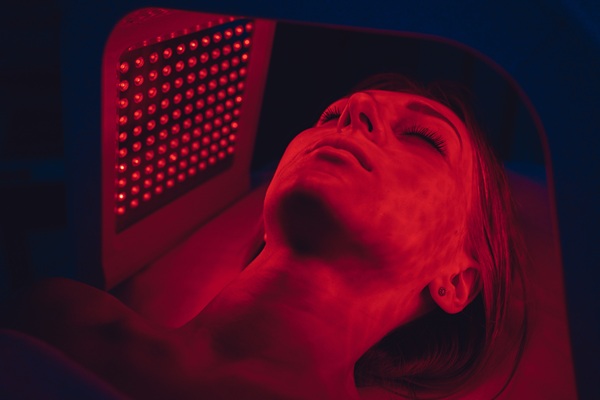
Red light therapy is a treatment that uses low levels of red and near-infrared light to stimulate cellular activity in the body. By boosting the production of collagen, this treatment can reduce inflammation and improve the appearance of your skin. Wellness centers may also recommend red light therapy to promote cellular function and tissue repair.
The science behind red light therapy
Red light therapy, also known as low-level laser therapy (LLLT) or photobiomodulation, penetrates the skin with low wavelengths of red and near-infrared light. These wavelengths interact with the mitochondria — the "powerhouse" of the cell — to stimulate energy production. This process can improve cellular repair, reduce oxidative stress, and improve blood circulation, contributing to overall cellular health.
Benefits of red light therapy
Skin health and anti-aging
One of the most common uses for red light therapy is stimulating collagen production. This protein is vital for skin elasticity and structure. As a result, red light therapy can potentially reduce the appearance of fine lines, wrinkles, and scars. It can also lead to a healthier complexion and improved skin texture.
Pain management and muscle recovery
Athletes and individuals dealing with chronic pain may choose to undergo red light therapy for its potential to reduce inflammation and accelerate muscle recovery. The International Journal of Molecular Sciences reports that this therapy has the potential to assist in alleviating joint pain, muscle soreness, and conditions such as arthritis.
Wound healing and tissue repair
Red light therapy also supports wound healing. The low-level wavelengths can help promote cell growth and increase blood circulation. This makes it a valuable treatment option for recovering from injuries or surgery.
Improved sleep and mental health
Exposure to red light may help regulate circadian rhythms. This can potentially improve a person's quality of sleep. As a result, it may also support their mental well-being, reducing symptoms of stress and allowing them to relax.
Ideal candidates for red light therapy
Most wellness centers offer red light therapy as a complementary treatment. This means that it is unlikely that red light therapy will be the only treatment patients use to address a health or skincare problem. For example, in addition to red light therapy, the patient may also use a topical treatment, such as a retinoid, for acne and fine lines.
However, some individuals should avoid red light therapy or get clearance from their primary medical practitioner. People with cancer or a history of cancer may need to avoid red light therapy. A 2019 study published in Oral Oncology suggests that red light therapy may potentially make cancer cells more aggressive. That said, more research is needed to determine the long-term effects of red light therapy on those with cancer and other health conditions.
Safety and efficacy of red light therapy
Red light therapy is considered safe for most individuals. It is a non-invasive treatment with minimal side effects when used short-term and as directed by a qualified healthcare professional. This therapy is less toxic, invasive, or harsh than other skin treatments. Unlike ultraviolet (UV) light from the sun or tanning beds, red light therapy is not linked to cancer and other conditions.
However, if the treatment is overused, there is a chance that the patient may damage their skin and eyes. According to WebMD, an early-stage clinical trial found that high-level red LED lights can cause blistering and redness on the skin if the treatment session lasts longer than 30 minutes. It can also cause eye damage in some cases. Working with an experienced medical professional can help individuals avoid adverse side effects, particularly those with underlying health conditions or photosensitivity. The wellness professional administering the treatment can provide protective eyewear during treatment sessions to ensure the patient's comfort and safety, particularly when treating facial areas.
What to expect from a red light therapy treatment center
A typical session involves relaxing in a specialized treatment room while a device emits red and near-infrared light over targeted areas of the body. Sessions are often short, lasting between 10 to 20 minutes and no longer than 30 minutes. They require no downtime. Unlike more invasive procedures, this therapy is gentle, making it an appealing option for individuals seeking natural wellness solutions to improve their health and cosmetic concerns.
Determine if red light therapy is the right treatment for you
While more research into red light therapy and its benefits is needed, it offers individuals the opportunity to achieve their wellness goals. Are you ready to learn more about this treatment? Call Las Vegas Medical Institute at our Las Vegas location to schedule a consultation and find out if you can benefit from red light therapy.
Request an appointment here: https://lasvegasmedicalinstitute.com or call Las Vegas Medical Institute at (725) 258-5864 for an appointment in our Las Vegas office.
Check out what others are saying about our services on Yelp: Red Light Therapy in Las Vegas, NV.
Related Posts
The P-Shot, also known as the Priapus Shot, is one of the most discussed regenerative autologous treatments in men's sexual health today. It uses platelet rich plasma drawn from the patient's own blood to support sexual function, sexual performance, and overall vitality. For men dealing with erectile dysfunction or simply looking to maintain peak performance,…
Morpheus8 for arms is a minimally invasive treatment that combines microneedling with radiofrequency energy to tighten loose skin, improve skin texture, and support collagen production in the deeper layers of the skin. For patients bothered by crepey arm skin, mild sagging skin, or uneven texture, it offers a non surgical tightening option with minimal downtime…
Morpheus8 cost in Las Vegas typically runs $1,000–$5,000, depending on the treatment area, and the number of sessions. In plain terms: smaller zones (like under-eyes or targeted acne scars) sit closer to the low end, while larger body areas and more intensive settings push pricing toward the top.For most patients, the fastest way to budget…
Morpheus8 for buttocks is a minimally invasive RF microneedling treatment that can tighten loose skin, improve skin texture, and reduce cellulite-like dimpling by stimulating collagen production, especially when skin laxity is mild. It works by delivering radiofrequency energy through microneedles to heat deeper layers, which helps stimulate collagen production and support firmer skin over the…