Pros and Cons of Liposuction
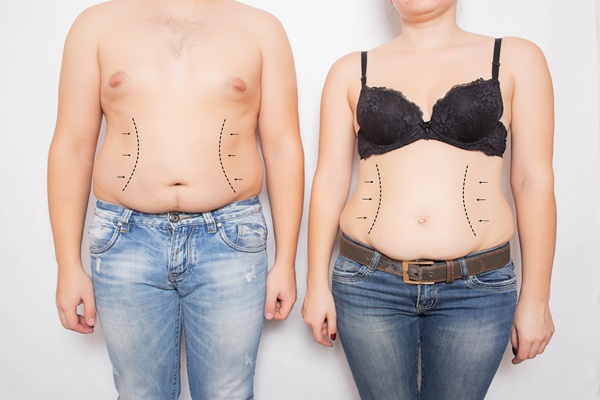
Liposuction is a popular body contouring procedure. This treatment can be performed on almost any area of the body that may have difficulty shedding fat through regular diet and exercise. Removing unwanted pockets of fat makes the body's contours more visible and can greatly improve its aesthetic appearance. However, it is not a weight loss procedure, and the effects can be undone for those who do not maintain a healthy lifestyle. Continue reading to learn more about the benefits and risks of liposuction and if you may be an optimal candidate for the procedure.
What is liposuction?
Liposuction, also known as lipoplasty or lipectomy, is a type of cosmetic surgery that breaks up and sucks fat from certain areas of the body. It is often used on parts of the body that collect more fat, such as the abdomen, thighs, upper and backs of arms, and calves. Liposuction is a popular cosmetic operation.
During a liposuction procedure, a cosmetic surgeon uses a hollow instrument or a cannula. They insert the cannula under the skin and apply a high-pressure vacuum, breaking up and removing the fat from the affected areas. While liposuction is not a weight-loss procedure, it can help improve a person's body contours and eliminate diet and exercise-resistant fat.
Pros of liposuction
Can treat certain medical conditions
Liposuction is often done solely for cosmetic reasons. However, it can also be part of a treatment plan for certain medical conditions. These conditions include the following:
- Gynecomastia: Gynecomastia is the increased breast gland tissue in boys and men. This condition occurs due to a hormonal imbalance of estrogen and testosterone. Liposuction can help minimize the amount of breast tissue.
- Lipomas: A lipoma is a fatty lump or tumor that sits below the skin. While typically harmless, it can slowly grow, and some patients may want to have it removed if it becomes painful.
- Lipodystrophy syndrome: A condition in which fat accumulates in one area of the body and is lost in another. Liposuction can improve a person's appearance by naturally distributing their body fat.
- Lymphedema: This condition is where a patient has a build-up of lymph fluid in their body. It can cause swelling in the arms or the legs. Liposuction can help reduce swelling and discomfort.
- Treatment after losing a lot of weight: A person who loses a lot of weight may need liposuction to remove excess fat in hard-to-target areas of the body.
Reduces stubborn fat
Stubborn fat is fat that cannot be targeted with diet and exercise. Fat naturally stores more in areas like the hips, thighs, and back. Liposuction can reduce the fat cells in these areas. It also helps reveal muscle tone from exercise in stubborn fat locations. For example, if a person has worked to achieve a strong abdomen, their visible abs may be hidden behind fat. Liposuction can remove this obstacle and help the patient show off their hard work.
Minimally invasive and scarring
Compared to other body modification and contouring treatments, liposuction is minimally invasive. Because of this, it carries less surgical risk. In addition, liposuction uses tiny incisions, resulting in significantly smaller scarring than other invasive body contouring procedures.
Cons of liposuction
Results can be undone
While liposuction results are usually long-lasting and permanent, lifestyle events can affect them. These events could be pregnancy, aging, and future weight gain. In addition, patients who do not commit to healthy eating habits and an active lifestyle may find that they develop new problem areas. Their remaining fat cells may also increase in size.
Not a weight loss surgery
As mentioned previously, liposuction is not the same as a weight loss surgery like gastric bypass. It cannot treat obesity or the root cause of problem areas, such as genetics, dietary habits, and health conditions. If a patient who is obese is interested in liposuction, they will need to work with their primary care physician to lose weight to be considered a candidate for liposuction.
It does not remove loose skin or cellulite
While this operation does remove stubborn fat from problem areas, it does not remove other cosmetic issues. For example, liposuction does not address loose skin, cellulite, dimples, or stretch marks. If the patient wants to get rid of these aesthetic problems, they should consult a qualified cosmetic surgeon.
Risks of surgery
There are always risks when undergoing a surgical procedure. While rare, there is a small risk of complications during or after liposuction. These adverse effects include the following:
- Bleeding
- Infection
- Negative reaction to the anesthesia
- Numbness
- Scarring
- Skin burns
Are you considering liposuction?
Is liposuction the right cosmetic procedure for you? This operation can boost confidence and help you feel good about certain areas of your body. However, it is not a weight loss treatment and carries risks and complications that you must consider. Call our office to learn more about liposuction or to schedule a consultation.
Liposuctions are available in Las Vegas and the surrounding area. To learn more about Las Vegas Medical Institute's services, call (725) 258-5864 or visit https://www.Lasvegasmedicalinstitute.com.
Related Posts
The P-Shot, also known as the Priapus Shot, is one of the most discussed regenerative autologous treatments in men's sexual health today. It uses platelet rich plasma drawn from the patient's own blood to support sexual function, sexual performance, and overall vitality. For men dealing with erectile dysfunction or simply looking to maintain peak performance,…
Morpheus8 for arms is a minimally invasive treatment that combines microneedling with radiofrequency energy to tighten loose skin, improve skin texture, and support collagen production in the deeper layers of the skin. For patients bothered by crepey arm skin, mild sagging skin, or uneven texture, it offers a non surgical tightening option with minimal downtime…
Morpheus8 cost in Las Vegas typically runs $1,000–$5,000, depending on the treatment area, and the number of sessions. In plain terms: smaller zones (like under-eyes or targeted acne scars) sit closer to the low end, while larger body areas and more intensive settings push pricing toward the top.For most patients, the fastest way to budget…
Morpheus8 for buttocks is a minimally invasive RF microneedling treatment that can tighten loose skin, improve skin texture, and reduce cellulite-like dimpling by stimulating collagen production, especially when skin laxity is mild. It works by delivering radiofrequency energy through microneedles to heat deeper layers, which helps stimulate collagen production and support firmer skin over the…