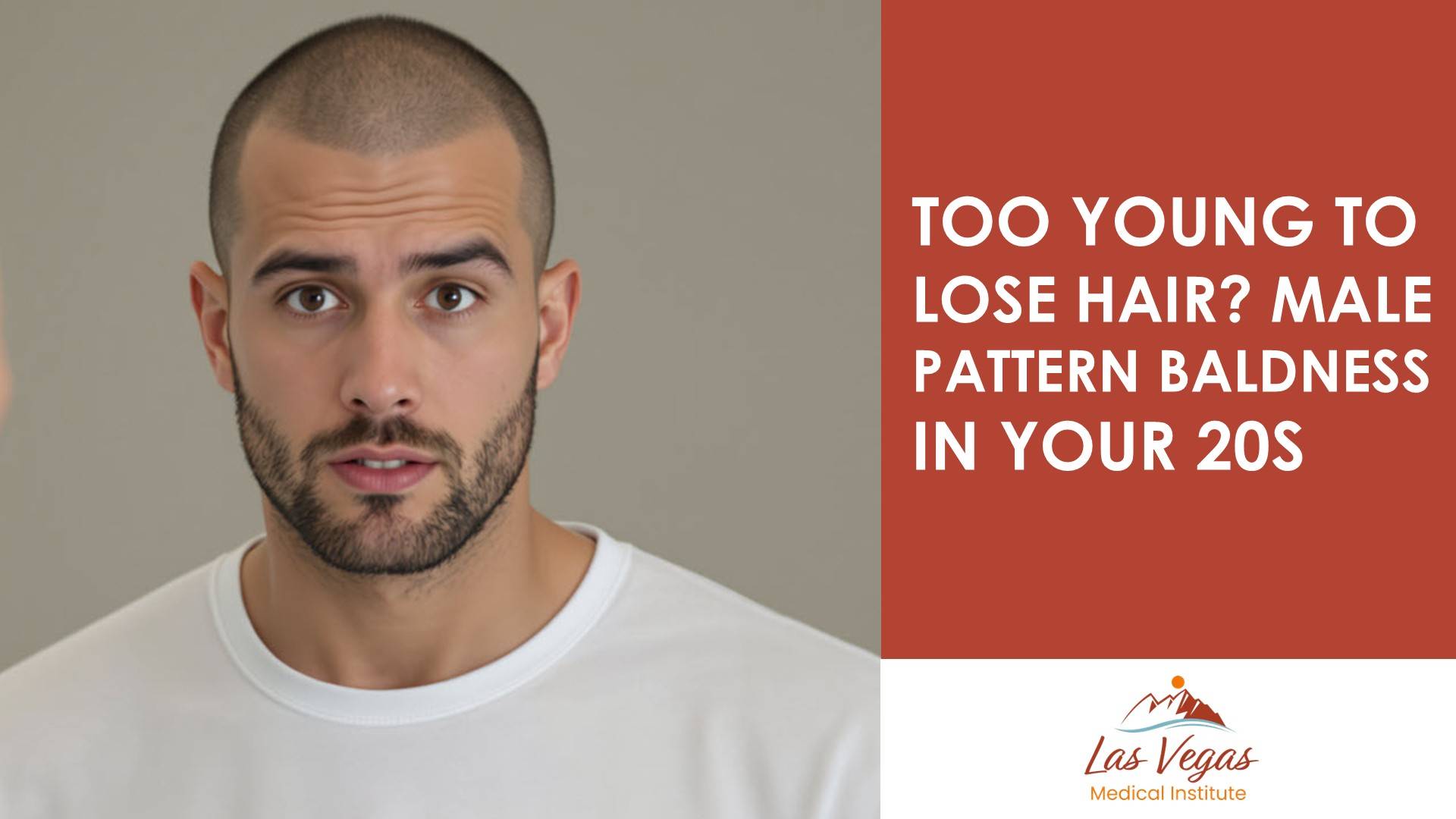
Male pattern baldness in your 20s is not only common, affecting up to 20% of men under thirty, but it's often the most distressing time to experience hair loss. Most men searching for answers want to know: "Why am I losing my hair so young, and what can I do about it?" The truth is, male pattern hair loss at 20 is usually driven by a genetic predisposition and normal hormones that shrink hair follicles over time, leading to gradual thinning at the temples, crown, and eventually the mid-scalp.
Here's what matters most: the earlier you spot the signs and seek proven medical help, the better your chances of preserving hair density and slowing further hair loss. Catching male pattern baldness early means options like topical minoxidil, oral medications, and advanced treatments can truly make a difference, before follicles become irreversibly dormant. As a board-certified with more than a decade spent treating early hair loss, I've seen hundreds of young men regain both confidence and hair with prompt, evidence-based intervention.
Key Takeaways of Male Pattern Baldness at 20
Male pattern baldness in your 20s commonly begins with thinning at the temples and crown, often due to genetics and hormonal factors like DHT.
Early recognition of male pattern baldness is crucial, as seeking prompt, evidence-based treatment can slow or even partially reverse hair loss.
FDA-approved treatments such as topical minoxidil and oral finasteride are most effective when started early in the progression of male pattern baldness.
Lifestyle factors like good nutrition, stress management, and avoiding smoking can help preserve hair health but should complement not replace medical therapies.
Consulting a dermatologist at the first signs of thinning hair or a receding hairline can provide an accurate diagnosis and a tailored treatment plan, boosting your chances for better hair outcomes.
Pattern Baldness in Male Patients
Male pattern baldness, also called androgenetic alopecia, is by far the most common cause of hair loss in men, and it often begins shockingly early: late teens or twenties for many. Characterized by a very specific pattern, it starts with hair thinning at the temples and crown, slowly working its way forward over years or decades.
How the Hair Growth Cycle Changes
The hair growth cycle involves a delicate balance between a long, active growth phase (anagen) and a brief shedding/resting phase (telogen). In male pattern baldness, genetic and hormonal factors cause each new hair to be finer and shorter, until the follicle becomes too weak to produce visible hair. This means the scalp hairs spend progressively more time in the shedding phase and less in growth, resulting in thinning hair and a more visible scalp.
Why Genetics and Hormones Matter Most
A family history of pattern hair loss is the biggest indicator you'll experience male pattern baldness, especially at 20 or younger. The culprit: male hormones (androgens), particularly DHT (dihydrotestosterone). In susceptible individuals, DHT binds to receptors in scalp follicles, shrinking them over time. This miniaturization process slowly turns thick, healthy hair into wispy, barely-there strands before growth stops altogether.
The process does not skip generations, so if you've noticed early onset male pattern baldness in your father, uncles, or grandparents, you're at much higher risk.
Causes and Risk Factors in Young Men
Male pattern baldness in your 20s is almost always a matter of genetics and hormones, but a few additional factors can accelerate or worsen the loss.
Genetic Factors and Family History
Roughly 80% of your predisposition comes down to family history. If men or women on either side of your family experienced early pattern hair loss or female pattern hair loss, your risk is naturally higher. Genetic testing isn't standard in most offices, but a dermatologist may consider it if the pattern is unusual.
Hormonal and Environmental Influences
Hormonal androgens, chiefly DHT, are the drivers of follicle miniaturization. Even men with normal hormone ranges can experience male androgenetic alopecia if their follicles are especially sensitive. Exacerbating factors, those that nudge hair loss along faster, include excessive stress, nutritional deficiencies (especially low iron or protein), smoking, or medical conditions like thyroid disease and autoimmune disorders.
While stress, diet, and medical conditions don't directly cause pattern baldness, they can accelerate thinning or add to overall hair thinning. Rarely, young men develop hair loss due to issues like traction alopecia from tight hairstyles, or less commonly, disorders such as alopecia areata or telogen effluvium.
Early Signs and Symptoms to Watch For
Spotting male pattern baldness early in your 20s gives you the best shot at slowing it down. There's no substitute for knowing what to look for and acting quickly.
The Most Telltale Indicators
The classic first sign is a receding hairline, often forming an "M" shape at the temples. Many notice hair thinning at the crown as well, with a slowly widening spiral or whorl. Over time, the hair along the mid-frontal scalp becomes progressively finer, sometimes so much that sunlight or overhead lights make the scalp visible. Carefully checking family photographs can help identify subtle changes in your own hair density over a year or two.
Increased Hair Shedding and Texture Changes
It's normal to lose up to 100 hairs a day. Losing hair in greater amounts, or noticing more hair on your pillow, in the shower, or stuck in your comb, could signal an early stage of male pattern baldness. Another sign: regrown hairs are softer, shorter, and less pigmented than your original hairs. If you notice any rapid or patchy hair loss, flaking, itching, or pain, it's crucial to get a professional evaluation, as these could indicate other underlying conditions.
Emotional and Social Impact
Experiencing male pattern baldness at 20 can feel jolting, especially when peers don't share the same hair concerns. Thinning hair or a receding hairline can hit self-esteem hard, sometimes leading to social withdrawal or even symptoms of anxiety and depression.
The Mental Health Connection
In medical practice, it's common for young men dealing with early onset male pattern baldness to report feeling less confident in dating, job interviews, or social events. This isn't vanity: hair has deep cultural associations with youth and vitality. Psychological studies show that visible changes, especially in early adulthood, may lower self-image and trigger anxiety.
Coping and Support
Talking about hair loss, especially with a dermatologist or support group, helps break the isolation many feel. For some, addressing hair thinning directly with proactive treatment brings back a sense of control. If negative emotions persist or daily functioning suffers, counseling or mental health support should be part of a comprehensive plan for hair health.
Diagnosis and When to Seek Help
Not sure if you're experiencing male pattern baldness at 20? Getting a proper diagnosis is key to launching effective treatment, with the earliest intervention offering the best odds of hair regrowth.
Seeing a Specialist for Accurate Diagnosis
You should schedule an appointment with a dermatologist if you notice a gradual pattern of thinning at the crown, temples, or a receding hairline. Medical professionals diagnose male pattern baldness clinically by examining the hair distribution and follicle health. Sometimes, blood work or a scalp biopsy is used to rule out other causes such as thyroid disease, nutritional deficiencies, or autoimmune scalp conditions like alopecia areata.
Red Flags for Quick Evaluation
Certain symptoms warrant prompt medical attention: rapid or patchy hair loss, scalp pain or itching, redness, or any sign of infection. Early and accurate diagnosis opens the door for timely, targeted intervention, and may help slow, stop, or even reverse thinning before it becomes permanent.
Treatment Options and Management Strategies
Once male pattern baldness is diagnosed in your 20s, don't wait, starting treatment promptly gives follicles the best chance of survival. There is no all natural treatment guaranteed to reverse androgenetic alopecia, but FDA approved therapies can slow, stabilize, or sometimes partially reverse thinning hair.
First-Line and Medical Treatments
Topical minoxidil (applied twice daily) remains a mainstay of early treatment and is proven to stimulate the hair growth cycle, increasing hair density over time. Oral finasteride, a prescription medication, works by blocking the enzyme that converts testosterone to DHT, so helping slow the progression of pattern baldness. Both options are generally considered safe for long-term use with appropriate monitoring in a medical setting, though side effects (including rarely, erectile dysfunction) are possible.
Advanced and Regenerative Therapies
When hair loss is more advanced or not responding to standard therapy, in-office options like platelet rich plasma (PRP) injections or low level laser therapy can be effective. These treatments use growth factors or lasers to stimulate hair follicles, increase blood flow, and encourage hair regrowth.
Hair transplantation is a permanent solution for select patients with significant hair loss. In this procedure, healthy hair follicles from denser scalp regions are relocated, offering natural, permanent regrowth. No miracle cures exist, and results are best when patients seek intervention in the early stages. Discuss all potential treatments and side effects with a hair loss specialist to tailor the most effective plan.
Prevention and Lifestyle Tips
You can't change your genetic code, but healthy lifestyle habits and targeted prevention may help slow hair loss and preserve hair health as long as possible.
Diet, Supplements, and Stress Management
If you're losing hair, optimizing your intake of protein, biotin, iron, and zinc is essential. Nutritional deficiencies contribute to weaker, thinning hair. Avoid crash diets, as rapid weight loss can worsen shedding.
Managing excessive stress, improving mental health, and ensuring adequate sleep are all linked to better hair growth. While no supplement fixes male pattern hair loss on its own, a healthy, nutrient-rich diet supports the best possible hair growth environment.
Avoiding Aggravating Factors
Some habits accelerate loss: smoking decreases blood flow to the scalp, harming follicles. Traction alopecia, hair loss from tight ponytails or braids, can exacerbate pattern baldness in already susceptible young men.
It's also wise to limit harsh chemical treatments, frequent heat styling, or aggressive brushing, which can cause further hair loss. These prevention strategies won't replace medical treatments, but they can help you slow hair loss and maintain hair density longer.
Frequently Asked Questions About Too Young to Lose Hair? Male Pattern Baldness in Your 20s
What causes male pattern baldness in your 20s?
Male pattern baldness in your 20s is primarily caused by genetic factors and hormonal changes. If you have a family history of hair loss, you are more likely to experience male pattern baldness at a young age due to sensitivity to DHT, a male hormone that shrinks hair follicles.
How can I tell if I have early signs of male pattern baldness?
Early signs include a receding hairline, especially forming an 'M' shape, thinning at the temples or crown, increased shedding, and hair that regrows softer or finer than before. If you notice these symptoms, it’s important to seek medical advice early.
Can male pattern baldness in your 20s be stopped or reversed?
While male pattern baldness in your 20s cannot be completely cured, early and consistent treatment with FDA-approved medications can slow, stabilize, and sometimes partially reverse hair loss. Results are best when treatment starts early.
What lifestyle changes can help slow hair loss in young men?
Maintaining a balanced diet rich in protein, iron, biotin, and zinc may support hair health. Reducing stress, avoiding smoking, and minimizing harsh hair treatments can also help slow the progression of baldness, though genetics remain the main factor.
Are hair transplants a solution for male pattern baldness in your 20s?
Hair transplants can be effective for some men in their 20s with significant hair loss, but are usually recommended when hair loss has stabilized. Consult a specialist to determine if you’re a good candidate, as early intervention with medications is often preferred initially.
Is male pattern baldness in your 20s common and how does it affect mental health?
Male pattern baldness affects up to 20% of men under 30 and can significantly impact self-esteem and confidence. Many young men experience anxiety or social withdrawal. Seeking professional guidance and support groups can help manage the emotional effects.
Conclusion and Summary of Too Young to Lose Hair? Male Pattern Baldness in Your 20s
Facing male pattern baldness in your 20s is more common, and more manageable, than most people realize. While genetics and hormonal sensitivity set the wheels in motion for pattern hair loss, early diagnosis and evidence-based treatments substantially improve outcomes. There's no one-size-fits-all solution. The best approach balances proven medical therapies with lifestyle commitments and supportive care.
If you recognize early signs of a receding hairline or thinning hair, act quickly, consult a specialist in male pattern baldness. Explore different treatments, and address both physical and emotional sides of the journey. With timely action, healthier hair, and greater confidence, are well within reach.
Ready to Restore Your Hair with Non-Surgical Hair Restoration in Las Vegas?
Thicker Hair. Natural Regrowth. No Downtime.
Unlike hair transplants that require invasive surgery, scarring, and weeks of recovery, our advanced platelet-rich plasma PRP hair restoration uses your body's own healing platelets to naturally stimulate hair follicles and regrow your hair. It's like waking up dormant follicles and giving them the growth factors they need to thrive again.
This isn't hiding under toupees or settling for temporary hair replacement systems. Our medical-grade hair restoration without surgery delivers concentrated growth factors directly into your scalp, targeting the root cause of thinning and triggering natural regrowth where you need it most.
Are You Experiencing These Common Hair Loss Problems?
Receding hairline that keeps moving back.
Thinning crown that’s becoming more visible.
Bald spots that won’t fill in.
Male pattern baldness affecting your confidence.
Female pattern baldness that’s getting worse.
Patchy hair loss in multiple areas.
Frontal hairline thinning and recession.
Sudden hair loss that appeared out of nowhere.
Experience Benefits You Can Actually FEEL:
Natural hair regrowth without surgery or scars.
Thicker, fuller hair that’s actually yours.
No more hiding under toupees or wigs.
Effective non-surgical hair restoration for men and women.
Minimally invasive with no downtime.
Safe, natural solution using your own blood platelets.
Real hair replacement from your own follicles.
And much more!
Why settle for temporary cover-ups or invasive transplants when you can regrow your own hair naturally? PRP hair restoration is trusted by men and women worldwide who've experienced real regrowth in areas they thought were gone forever. Many patients see visible improvements within months, with continued thickening over time.
At Las Vegas Medical Institute, we blend advanced PRP hair restoration technology with physician-led expertise for hair restoration results that restores your hair, appearance, and your confidence.
Ready to regrow your hair naturally? Schedule Your Hair Restoration Consultation here, or call us today at (702) 577-3174 and discover how non-surgical hair restoration is helping men and women across Las Vegas reclaim their full, healthy hair!
Cover Photo Illustration by: Las Vegas Medical Institute.
Dr. Lucia Mireles-Chavez of Las Vegas Medical Institute was featured on KTNV’s Morning Blend, where she discussed how Morpheus8 and QuantumRF can help improve skin tightening and body contouring with minimal downtime. Patients looking for skin tightening treatments often want to improve skin laxity, sagging skin, and loose skin without committing to a full surgical…
Morpheus8 results typically last 12–18 months for most patients, and some maintain visible improvements for up to 2 years, but the real answer to how long does Morpheus8 last depends on sun exposure, skin type, and the treatment plan used in-office. Morpheus8 is a minimally invasive procedure that uses radiofrequency RF energy with microneedling to…
Morpheus8 for cellulite can improve the appearance of cellulite, especially mild to moderate dimpling on the thighs and buttocks, by using RF microneedling to deliver radiofrequency energy into deeper layers of skin and connective tissue to stimulate collagen production. It's not a cure-all, and it won't "erase" severe cellulite, deep tethered dimples, or major fat…
Is Morpheus8 painful? For most patients, Morpheus8 feels like mild to moderate discomfort, not extreme pain, especially when a topical numbing cream is used. In-office, the sensation is usually described as pressure plus brief "zaps" of heat from RF microneedling, often landing around a 3–7/10 pain level depending on the treatment area, device settings, and…