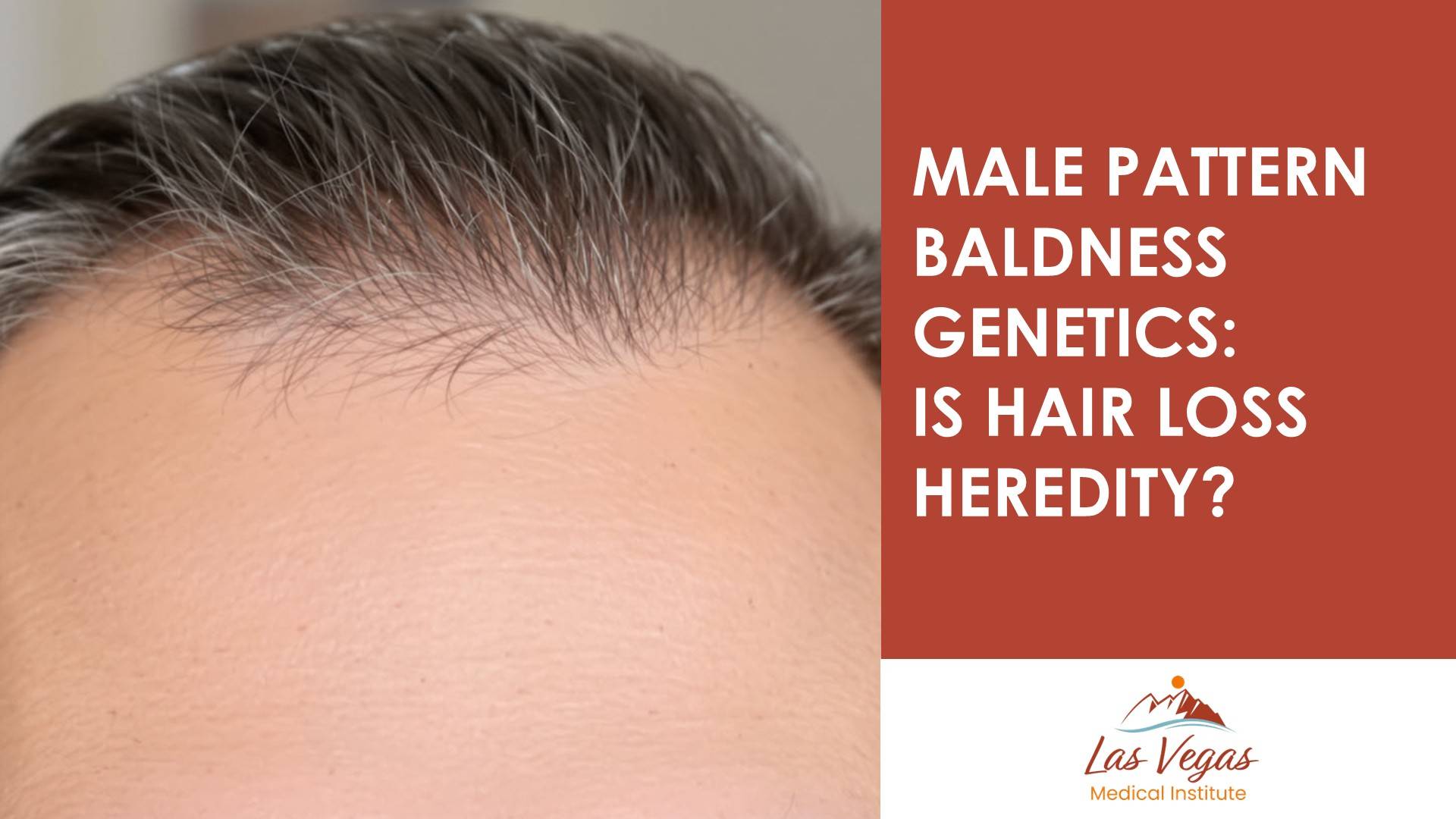
Male pattern baldness genetics determines who develops androgenetic alopecia, a progressive, patterned hair loss that affects millions of men worldwide. In essence, this condition arises from a powerful interplay between genetic variants and male hormones, especially dihydrotestosterone (DHT). Research shows over 50% of baldness risk is written in the genes, with certain inherited DNA variations, particularly in the androgen receptor (AR) gene, doubling the odds of developing a receding hairline or thinning crown.
By pinpointing these hereditary markers and understanding how they work, patients and doctors gain critical insight into why hair follicles shrink or stop growing. Understanding of pattern baldness has transformed: it's no longer considered a simple fate passed down from one parent, but a highly polygenic and complex trait.
Key Takeaways of Male Pattern Baldness Genetics
Male pattern baldness genetics contributes to more than half of the risk for androgenetic alopecia, highlighting its strong hereditary component.
The androgen receptor (AR) gene and multiple additional genes play a crucial role in determining individual susceptibility to patterned hair loss.
Male pattern baldness is polygenic and influenced by both maternal and paternal genes, contradicting the myth of inheritance from only one side.
Hormones like dihydrotestosterone (DHT), age, and environmental factors further interact with genetic predispositions to shape the severity.
While specific genetic markers can improve risk prediction, current treatments for male pattern baldness focus on slowing progression and promoting hair regrowth.
Staying informed about family history and advances in pattern baldness genetics enables proactive choices about hair loss management.
What Is Male Pattern Baldness?
Male pattern baldness, medically known as androgenetic alopecia, is the most common form of hair loss in men. It typically starts with a receding hairline and thinning at the crown, eventually progressing to more noticeable hair loss as men age.
The Role of Hormones and Genetics in Hair Thinning
This condition stems from a blend of inherited genetic factors and the effects of male sex hormones. Specifically, the hormone dihydrotestosterone (DHT) acts on hair follicles, causing them to gradually shrink in a process called miniaturization.
As follicles shrink, they produce thinner, shorter hairs until they eventually stop growing new hair altogether. This is why hair thinning typically follows a predictable pattern, affecting certain areas of the scalp more than others.
Distinguishing Male Pattern Baldness from Other Hair Loss Conditions
Unlike alopecia areata or patchy hair loss, which are more often immune-related, male pattern hair loss is driven mainly by hormonal and genetic influences. Female pattern hair loss exists, but generally presents as diffuse thinning rather than a receding hairline or bald crown.
Recognizing the unique pattern helps both patients and clinicians identify the most likely type of hair loss and guides appropriate medical treatment.
The Genetic Basis of Male Pattern Baldness
Genetic factors are major determinants in who experiences male pattern baldness. In fact, hereditary hair loss accounts for approximately 50–80% of the variation seen among individuals with this condition.
Polygenic Nature of Androgenetic Alopecia
Contrary to myths about a single "baldness gene," male pattern baldness is polygenic, meaning it's influenced by many different genes. Each gene contributes a small risk, and together, these genetic variants build up to determine each person's susceptibility.
This is supported by large meta-analyses and prediction analyses from the European Journal of Human Genetics and other research literature, which show multiple genes at play, not just one.
Major and Novel Genetic Risk Loci
Recent genome-wide studies have uncovered several key loci associated with male pattern hair loss, including six novel susceptibility loci and numerous DNA variants identified through regression analyses. These discoveries provide systematic insights into how genetic epidemiology shapes pattern baldness and offer potential pathways for more accurate prediction and targeted therapies in the future.
Key Genes Involved in Hair Loss
No discussion of male pattern baldness genetics is complete without a close look at the genes that drive the process.
Androgen Receptor (AR) Gene: The Major Player
The androgen receptor (AR) gene, located on the X chromosome, is perhaps the most significant. Variations in the AR gene roughly double the risk of male pattern baldness. The AR gene controls how sensitive hair follicles are to androgens such as DHT.
Men who inherit certain AR gene variants from their mothers are more likely to notice hair loss at an earlier age or experience more severe hair thinning. The importance of the AR gene helps explain why the trait sometimes follows the so-called "maternal grandfather" pattern, though this is just part of the story.
Other Genes and Pathways: Beyond the AR gene
Besides the AR gene, several other loci have been linked to pattern baldness. Genetic variants in EDA2R, OPHN1, and ZC4H2 (also on the X chromosome), as well as autosomal genes like FGF5 and those involved in WNT signaling pathways (such as RSPO2), all contribute to hair follicle biology and hair growth cycles. Together, these genes influence everything from hairline recession to overall hair health, helping explain why male pattern baldness varies so widely between people, even within the same family.
Interactions With Sex Hormones and Environmental Factors
It's important to note that these genetic factors don't work in isolation. They interact with circulating sex hormones, especially androgens, and with various environmental factors like stress, nutrition, and even underlying health conditions. This interaction shapes the exact pattern and progression of hereditary patterned baldness for each individual.
How Male Pattern Baldness Is Inherited
Many people wonder if they'll lose hair based on their parents' or grandparents' appearance. The inheritance pattern of male pattern baldness is more complex than commonly believed.
Genes From Both Parents: X Chromosome and Beyond
While the AR gene on the X chromosome is inherited from the mother, and explains some of the so-called "mother's father" pattern, genetic prediction is not that straightforward. Multiple genes, passed down from both sides of the family, affect risk. For example, large family studies have found that about 80% of men with male pattern baldness have fathers who are also bald, highlighting a significant paternal effect. This points to the involvement of autosomal (non-sex chromosome) genes in hereditary hair loss.
Early Onset and Family History
Early onset androgenetic alopecia can run in families where several male relatives lose hair at a young age. Similarly, female pattern baldness may also reflect the same underlying genetic variation, though the presentation is typically different. Family history remains a strong risk factor but cannot perfectly predict male pattern, severity, or age of onset.
Other Factors Influencing Baldness Beyond Genetics
Although male pattern baldness is primarily genetic, several other factors influence how quickly and severely you lose hair.
Hormonal Influences: DHT and Sex Hormones
Hair loss is heavily affected by androgen hormones, particularly DHT, a potent derivative of testosterone. Some men have hair follicles that are more sensitive to DHT, which accelerates hair thinning and miniaturization. This helps explain why some people with the same genetic background may experience very different degrees of pattern baldness.
Age, Health, and Environmental Factors
The prevalence and severity of androgenetic alopecia increase steadily with age. For most men, noticeable hair loss begins in their 30s or 40s, though early onset is possible (and often more strongly tied to genetics). Medical conditions like insulin resistance, polycystic ovary syndrome, or even certain medications may also play a role. General health, nutrition, and physical or emotional stress can contribute to moderate or severe hair loss, though they're less dominant than genetic and hormonal causes.
Distinguishing Factor-Driven and Genetically Driven Hair Loss
Patchy hair loss, complete hair loss (alopecia totalis), or hair loss due to scarring, medications, or autoimmune conditions are not the same as hereditary pattern hair loss. These require different diagnostic and treatment approaches, as their causes are not rooted primarily in male pattern baldness genetics.
Can You Predict or Prevent Male Pattern Baldness?
With advances in genetic prediction analysis, it's now possible to estimate the risk of androgenetic alopecia based on genotype data. Large genetic studies have created scoring systems that weigh polygenic risk, offering a statistical prediction but not 100% certainty.
Genetic Prediction: Tools and Limitations
While scientists can use family history and DNA variants (like those in AR and other major loci) to predict male pattern baldness risk, the results are best viewed as probabilities, not guarantees. The complexity of genetic and environmental interactions means some predictions may fail for outlier cases, especially in those with mixed ancestry or other risk factors.
Prevention and Medical Treatment Options
Currently, you can't prevent hereditary patterned baldness if you're genetically predisposed, but you can slow progression or promote hair growth. Medically proven treatments, such as finasteride, minoxidil, and newer approaches like platelet rich plasma injections or red light therapy, show promise in stabilizing hair loss. Hair transplants also offer a surgical solution for more advanced baldness, though results depend on individual factors like hair health and donor follicles.
Early consultation with a medical professional or a hair specialist can help select the most appropriate treatment, especially if you begin to notice hair loss or wish to address potential psychosocial consequences.
Frequently Asked Questions About Male Pattern Baldness Genetics: Is Hair Loss Heredity?
What role do genetics play in male pattern baldness?
Genetics play a significant role in male pattern baldness, accounting for roughly 50–80% of the risk. Key genes, such as the androgen receptor (AR) gene on the X chromosome, interact with hormones to influence the likelihood and progression of androgenetic alopecia.
Is male pattern baldness inherited from the mother or father?
Male pattern baldness is a polygenic trait, meaning it involves many genes from both parents. While the AR gene, inherited from the mother, is important, about 80% of affected men have fathers with hair loss, indicating a strong contribution from both sides of the family.
Which gene is most associated with male pattern baldness genetics?
The androgen receptor (AR) gene on the X chromosome is most linked to male pattern baldness. Variations in this gene increase hair follicles’ sensitivity to dihydrotestosterone (DHT), making early or severe hair thinning more likely. Other genes also contribute to overall risk.
Can lifestyle or diet influence male pattern baldness if you’re genetically predisposed?
While genetics and hormones are the major drivers, factors like nutrition, general health, and stress can influence how quickly or severely progresses. However, these factors are generally less influential than inherited genes and DHT sensitivity.
Can male pattern baldness be predicted or prevented based on genetics?
Genetic prediction tools can estimate your risk for male pattern baldness but can't provide absolute certainty. Although you cannot prevent genetic hair loss, medical treatments as well as lifestyle modifications, can help slow its progression if started early.
What age does genetically driven hair loss usually start in men?
Genetically driven hair loss often begins in a man’s 30s or 40s. But, some may see a receding hairline or thinning earlier sometimes in their late teens or twenties especially if there’s a strong family history of early-onset male pattern baldness.
Conclusion and Summary of Male Pattern Baldness Genetics: Is Hair Loss Heredity?
Male pattern baldness is a highly polygenic, androgen-driven condition involving many genes, not just a single baldness gene. The androgen receptor gene (AR) on the X chromosome, together with other susceptibility loci, accounts for much of the hereditary risk, but factors inherited from both parents matter. Age, hormones like DHT, and certain lifestyle or health factors further influence the timing and severity of hair loss.
While you can't change your genes, staying informed about your family history and emerging genetic research empowers you to make proactive decisions about medical treatment, hair care, and when to consult a specialist. The science of male pattern baldness genetics continues to evolve, offering hope for more precise prediction and newer therapies in the future.
Ready to Restore Your Hair with Non-Surgical Hair Restoration in Las Vegas?
Thicker Hair. Natural Regrowth. No Downtime.
Unlike hair transplants that require invasive surgery, scarring, and weeks of recovery, our advanced platelet-rich plasma PRP hair restoration uses your body's own healing platelets to naturally stimulate hair follicles and regrow your hair. It's like waking up dormant follicles and giving them the growth factors they need to thrive again.
This isn't hiding under toupees or settling for temporary hair replacement systems. Our medical-grade hair restoration without surgery delivers concentrated growth factors directly into your scalp, targeting the root cause of thinning and triggering natural regrowth where you need it most.
Are You Experiencing These Common Hair Loss Problems?
Receding hairline that keeps moving back.
Thinning crown that’s becoming more visible.
Bald spots that won’t fill in.
Male pattern baldness affecting your confidence.
Female pattern baldness that’s getting worse.
Patchy hair loss in multiple areas.
Frontal hairline thinning and recession.
Sudden hair loss that appeared out of nowhere.
Experience Benefits You Can Actually FEEL:
Natural hair regrowth without surgery or scars.
Thicker, fuller hair that’s actually yours.
No more hiding under toupees or wigs.
Effective non-surgical hair restoration for men and women.
Minimally invasive with no downtime.
Safe, natural solution using your own blood platelets.
Real hair replacement from your own follicles.
And much more!
Why settle for temporary cover-ups or invasive transplants when you can regrow your own hair naturally? PRP hair restoration is trusted by men and women worldwide who've experienced real regrowth in areas they thought were gone forever. Many patients see visible improvements within months, with continued thickening over time.
At Las Vegas Medical Institute, we blend advanced PRP hair restoration technology with physician-led expertise for hair restoration results that restores your hair, appearance, and your confidence.
Ready to regrow your hair naturally? Schedule Your Hair Restoration Consultation here, or call us today at (702) 577-3174 and discover how non-surgical hair restoration is helping men and women across Las Vegas reclaim their full, healthy hair!
Cover Photo Illustration by: Las Vegas Medical Institute.
Morpheus8 results typically last 12–18 months for most patients, and some maintain visible improvements for up to 2 years, but the real answer to how long does Morpheus8 last depends on sun exposure, skin type, and the treatment plan used in-office. Morpheus8 is a minimally invasive procedure that uses radiofrequency RF energy with microneedling to…
Morpheus8 for cellulite can improve the appearance of cellulite, especially mild to moderate dimpling on the thighs and buttocks, by using RF microneedling to deliver radiofrequency energy into deeper layers of skin and connective tissue to stimulate collagen production. It's not a cure-all, and it won't "erase" severe cellulite, deep tethered dimples, or major fat…
Is Morpheus8 painful? For most patients, Morpheus8 feels like mild to moderate discomfort, not extreme pain, especially when a topical numbing cream is used. In-office, the sensation is usually described as pressure plus brief "zaps" of heat from RF microneedling, often landing around a 3–7/10 pain level depending on the treatment area, device settings, and…
Morpheus8 thighs treatments can improve loose skin, crepey texture, mild cellulite, and overall skin tightening by delivering radiofrequency energy through tiny needles into deeper layers of skin to stimulate collagen production. In practical terms, most patients see firmer skin, smoother skin texture, and a more refined thigh contour after a short series, usually 3–4 sessions,…