How Radiofrequency-Assisted Liposuction Enhances Fat Removal and Skin Tightening
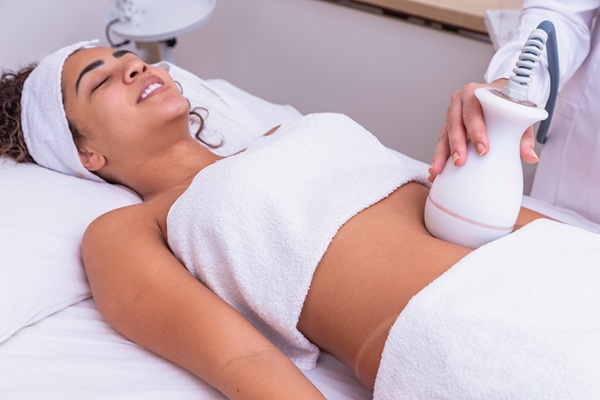
Achieving a sculpted physique requires more than reducing fat deposits; skin elasticity defines smooth, firm contours. Radiofrequency-assisted liposuction at a wellness center enhances body contouring by combining fat removal with advanced skin-tightening technology. This procedure liquefies fat for easier extraction while stimulating collagen production to tighten and firm the skin. As a result, patients can enjoy a more refined, natural-looking outcome with reduced downtime compared to conventional methods.
What is radiofrequency-assisted liposuction?
Radiofrequency-assisted liposuction (RFAL) is an advanced body contouring technique that enhances traditional fat removal by incorporating radiofrequency (RF) energy. This dual-action approach breaks down fat cells while simultaneously promoting skin tightening, offering smoother results with less tissue trauma than standard liposuction.
The benefits of radiofrequency-assisted liposuction
Traditional fat removal techniques often leave behind loose skin, particularly in areas with reduced elasticity. Radiofrequency-assisted liposuction addresses this challenge by combining efficient fat breakdown with advanced skin-tightening effects, ensuring more refined and youthful-looking results. Explore the many benefits of RFAL from a wellness center below.
Enhances fat breakdown and removal
Radiofrequency-assisted liposuction uses controlled radiofrequency energy to heat fat cells to a precise temperature, softening them for easier removal. This method significantly reduces the force required for extraction, resulting in a more uniform contour with fewer irregularities. Since it breaks down fat into a liquefied state before suctioning, RFAL minimizes trauma to connective tissues for a smoother recovery process.
In addition to facilitating fat removal, the thermal energy generated during RFAL enhances circulation in treated areas, reducing post-procedure swelling and bruising. The ability to remove fat with greater precision allows for more natural-looking body sculpting, making RFAL a preferred choice for those seeking enhanced definition and balance.
Stimulates collagen production for firmer, tighter skin
Another one of the most distinctive benefits of radiofrequency-assisted liposuction is its ability to stimulate collagen production. Collagen is essential for maintaining skin firmness, but its levels decline over time due to aging, weight fluctuations, and environmental factors. RFAL counteracts this decline by delivering RF energy deep into the dermis, triggering the body’s natural collagen remodeling process.
As new collagen fibers form, the skin becomes firmer and more elastic. Unlike traditional liposuction, which may leave sagging skin in its wake, RFAL tightens and smooths the treated areas, providing a more youthful and contoured appearance. This collagen-stimulating effect continues to improve skin texture for several months following the procedure.
Addresses skin laxity in problem areas
Certain areas of the body, such as the abdomen, arms, thighs, and neck, are more prone to post-liposuction skin laxity. Conventional fat removal techniques do not address this concern, often necessitating additional skin-tightening treatments. However, radiofrequency-assisted liposuction provides a comprehensive solution by tightening the skin in real-time, minimizing the risk of loose or crepey skin after fat removal.
By delivering RF energy beneath the skin’s surface, RFAL encourages immediate tissue contraction while promoting long-term collagen renewal. This makes it particularly effective for patients who want to refine their body contours without resorting to more invasive surgical procedures, such as tummy tucks or arm lifts.
Comparing RFAL to other body contouring treatments
Various body contouring treatments exist, each offering unique benefits. Nevertheless, radiofrequency-assisted liposuction stands out for its ability to simultaneously remove fat and tighten skin, delivering more comprehensive results than other methods. Here is how RFAL compares to:
Traditional liposuction
Standard liposuction removes fat effectively but does not address skin laxity, often leading to loose skin in treated areas. Radiofrequency-assisted liposuction mitigates this issue by promoting skin contraction alongside fat removal. The result is smoother, firmer contours.
Non-invasive RF treatments
Non-invasive RF treatments provide mild skin-tightening benefits but cannot remove fat. While these treatments may improve skin texture over time, radiofrequency-assisted liposuction offers a more transformative outcome by directly eliminating fat deposits and enhancing skin firmness in a single session.
Laser liposuction
Laser-assisted liposuction uses heat energy to facilitate fat breakdown, similar to radiofrequency-assisted liposuction. However, RFAL provides more controlled and uniform heat distribution, reducing the risk of burns or uneven skin contraction. Additionally, RF energy penetrates deeper into the skin layers, stimulating more robust collagen production than laser-based methods.
Is radiofrequency-assisted liposuction right for you?
Radiofrequency-assisted liposuction is well-suited for patients who want fat reduction and skin tightening without more invasive surgical procedures. The ability to remove fat while improving skin elasticity makes it an ideal solution for those concerned about post-liposuction sagging. Learn more about radiofrequency-assisted liposuction and its ability to deliver long-lasting, natural-looking results during a consultation at our wellness center.
Request an appointment here: https://lasvegasmedicalinstitute.com or call Las Vegas Medical Institute at (725) 258-5864 for an appointment in our Las Vegas office.
Check out what others are saying about our services on Yelp: Radiofrequency-Assisted Liposuction in Las Vegas, NV.
Related Posts
The P-Shot, also known as the Priapus Shot, is one of the most discussed regenerative autologous treatments in men's sexual health today. It uses platelet rich plasma drawn from the patient's own blood to support sexual function, sexual performance, and overall vitality. For men dealing with erectile dysfunction or simply looking to maintain peak performance,…
Morpheus8 for arms is a minimally invasive treatment that combines microneedling with radiofrequency energy to tighten loose skin, improve skin texture, and support collagen production in the deeper layers of the skin. For patients bothered by crepey arm skin, mild sagging skin, or uneven texture, it offers a non surgical tightening option with minimal downtime…
Morpheus8 cost in Las Vegas typically runs $1,000–$5,000, depending on the treatment area, and the number of sessions. In plain terms: smaller zones (like under-eyes or targeted acne scars) sit closer to the low end, while larger body areas and more intensive settings push pricing toward the top.For most patients, the fastest way to budget…
Morpheus8 for buttocks is a minimally invasive RF microneedling treatment that can tighten loose skin, improve skin texture, and reduce cellulite-like dimpling by stimulating collagen production, especially when skin laxity is mild. It works by delivering radiofrequency energy through microneedles to heat deeper layers, which helps stimulate collagen production and support firmer skin over the…