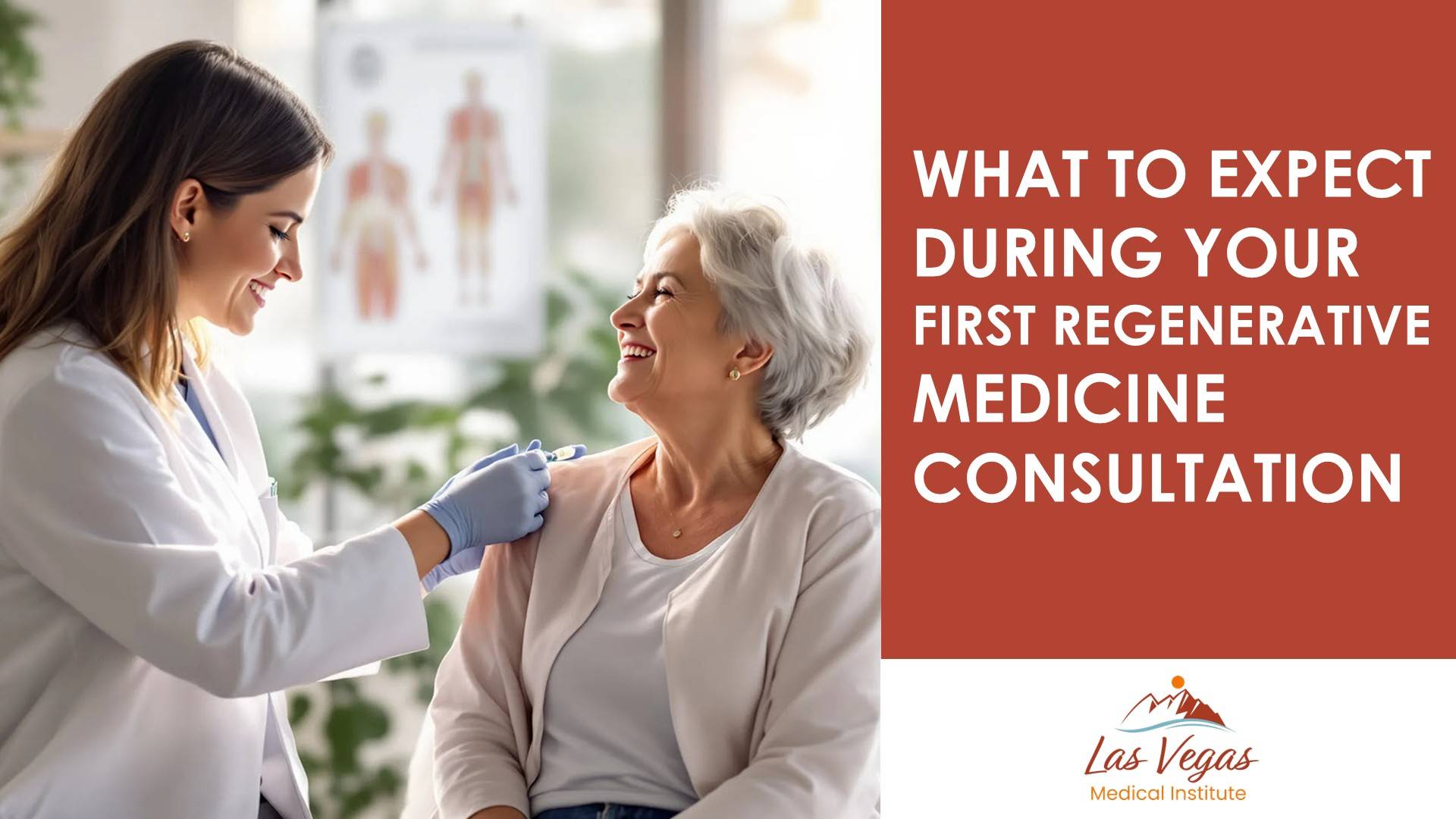
A first regenerative medicine consultation is your gateway to safe, effective, and advanced healing options, without the need for surgery or long-term reliance on pain medications. This appointment evaluates your unique needs, answers your questions, and determines whether you're a good fit for treatments like platelet-rich plasma (PRP) or exosome therapy.
Most people seek a regenerative medicine consultation to address joint pain, chronic injuries, or conditions that haven't responded to past treatments.
Key Takeaways of Regenerative Medicine Consultation
A first regenerative medicine consultation offers a personalized assessment to determine if advanced therapies like PRP or exosome therapy are right for your condition.
Regenerative medicine targets the root cause of joint pain and chronic injuries, aiming for faster recovery and reduced reliance on surgery or pain medications.
Preparing for your first consultation by gathering medical records and listing symptoms ensures your physician can recommend the most effective regenerative medicine treatment.
Ask your specialist about expected outcomes, recovery times, and risks associated with regenerative therapies for transparent decision-making.
Collaboration with a board-certified doctor and ongoing follow-up are crucial for a successful, individualized care plan in regenerative medicine.
Regenerative Medicine Treatments
Regenerative medicine is a rapidly evolving field aimed at repairing and rejuvenating damaged tissues using the body's own powerful healing mechanisms. Instead of simply masking symptoms, regenerative treatments target the root cause, whether it's chronic pain, orthopedic injuries, or degenerative disc disease, by stimulating tissue repair, reducing inflammation, and supporting natural regeneration.
The Science Behind Regenerative Medicine
Regenerative medicine leverages cutting-edge approaches such as platelet rich plasma (PRP) therapy and exosome therapy to activate your body's cellular healing potential. PRP therapy involves concentrating growth factors and platelets from your own blood to accelerate the healing process in injured tissues.
Exosome therapy uses specialized cellular messengers to promote tissue repair and modulate the inflammatory response. While stem cell therapy and other biologic options are sometimes discussed in the broader field, the most evidence-based and accessible treatments available in practice are PRP and exosome therapies.
Conditions Treated with Regenerative Therapies
These regenerative medicine treatments are commonly used for orthopedic conditions such as joint pain, osteoarthritis, tendon injuries, and soft tissue damage. By enhancing the function of cells and promoting the regeneration of damaged tissue, patients can often experience improved mobility, reduced pain, and a shorter recovery time, without the risks or downtime of surgery.
Core Benefits of Regenerative Treatments
Targets underlying injuries instead of just symptoms
Reduces pain and inflammation in the affected area
Speeds the healing process for both chronic and acute injuries
May allow patients to avoid or delay surgery altogether
A consultation with a board-certified medical doctor helps identify the regenerative treatment that best matches your condition and health goals.
Reasons to Consider a Regenerative Medicine Consultation
Many people seek a regenerative medicine consultation because they want real, lasting relief after traditional treatments haven’t helped. People struggling with chronic pain, sports injuries, or stubborn joint pain are especially likely to benefit.
Alternatives for Chronic Pain and Joint Issues
Regenerative medicine offers a refreshing option when past treatments have failed to deliver. PRP and exosome therapies provide non-surgical solutions for chronic conditions, enabling many patients to regain function, reduce pain, and enhance their quality of life. These treatments are especially appealing to individuals aiming to avoid invasive surgery or heavy reliance on medications.
Safe, Non-Surgical, and Research-Backed Options
Patients are increasingly seeking innovative, research-driven therapies like PRP and exosome injections for their superior safety profiles and expedited recovery time. Unlike traditional stem cell treatments for joint pain, which are not FDA-approved in the United States, PRP and exosome therapies have established pathways and clinical backing for use in orthopedic and soft tissue conditions.
When to Schedule Your Consultation
You should consider booking your first regenerative medicine consultation if you:
Want a personalized approach to healing and recovery
Need a second opinion or new approaches for difficult, lingering injuries
Interested in exploring how regenerative medicine can speed healing or help you return to activity
Have concerns about potential risks or side effects of surgery or prescription medications
How to Prepare for Your First Consultation
Arriving well-prepared ensures you get the most out of your initial appointment and walk away with a clear plan that matches your unique needs. Taking the time to organize your medical information and jot down important questions can make a significant difference.
Gather Your Medical Records and Health History
Bring any relevant medical records, including past imaging (MRIs, X-rays), lab results, lists of current medications, and detailed notes about past treatments or therapies. Reviewing this information ahead of time helps your doctor quickly identify patterns, causes, and the most suitable regenerative treatments for your case.
Define Your Symptoms and Health Goals
Make a concise list of your current symptoms, complaints, and how they impact your daily activities and quality of life. Describe when your pain occurs, what makes it worse or better, and any physical limitations you experience. Setting clear goals, such as pain relief, or improved function, allows for a more targeted treatment plan.
What Happens During the Consultation
Your first regenerative medicine consultation is a comprehensive evaluation focused on understanding your condition in the context of available, advanced therapies. Expect a detailed process designed to provide clarity and guidance.
Thorough Medical History and Examination
The appointment typically begins with an in-depth review of your medical history, current symptoms, and any previous treatments. A comprehensive physical examination follows, often targeted at the specific joints, muscles, or regions causing pain.
For complex cases, updated imaging or diagnostic tests may be ordered to pinpoint the underlying issue.
How each therapy works to stimulate the healing process and repair damaged tissue
Possible outcomes, timelines for pain relief, and recovery expectations
Discussion of potential risks, benefits, and whether regenerative therapy is appropriate for your specific condition
If you're a suitable candidate, the next steps will be outlined, including scheduling the procedure, discussing pre-procedure instructions, and planning your post treatment care and follow up visits. Your unique health profile, therapy goals, and lifestyle will be carefully considered at every step.
Next Steps After Your Consultation
After your first regenerative medicine consultation, you'll be equipped with personalized recommendations, educational materials, and a step-by-step outline for your individual course of care. Deciding what comes next involves collaboration, reflection, and a bit of assignments.
Collaborate on a Personalized Care Plan
Work together with your healthcare professional to create a plan tailored to your health goals and unique needs, which may include PRP therapy, exosome therapy, or supportive strategies like physical therapy. Once there's a consensus, you can confidently schedule treatments or proceed with further diagnostic steps.
Expect ongoing support, follow-up appointments to assess your progress, and detailed instructions for post treatment care. Clear communication and a focus on outcomes help ensure your healing process stays on track. This detailed consultation is recommended to determine which regenerative treatment option is most appropriate for your specific condition and goals.
Frequently Asked Questions About What to Expect During Your First Regenerative Medicine Consultation
What should I expect during my first regenerative medicine consultation?
During your first regenerative medicine consultation, expect an in-deep review of your medical history, perform a physical examination, and discuss advanced therapies like PRP and exosome therapy. You'll receive recommendations tailored to your condition and can ask questions to better understand your options.
Who is a good candidate for regenerative medicine treatments?
Candidates for regenerative medicine therapies often include individuals with joint pain, chronic injuries, or conditions that have not improved. The consultation helps determine if therapies like PRP or exosome therapy are suitable for your specific symptoms and health goals.
How should I prepare for my first regenerative medicine consultation?
Prepare by gathering relevant medical records, including prior imaging and lists of medications. Make a summary of your symptoms and health goals, and research common regenerative treatments. Bringing specific questions will help you make the most of your appointment.
What are the main benefits of regenerative medicine treatments?
Regenerative medicine treatments, such as PRP and exosome therapy, target the root cause of pain, reduce inflammation, and promote healing using the body’s own mechanisms. They offer a non-surgical alternative for improved mobility and faster recovery with fewer risks and less downtime.
Are regenerative medicine consultations covered by insurance?
Coverage for regenerative medicine consultations and treatments can vary. Some insurance plans may not cover certain therapies like PRP and exosome therapy. It's important to check with your provider in advance to understand any out-of-pocket costs involved.
How long does it take to see results after regenerative medicine therapy?
Many patients begin to notice improvements within weeks of a PRP or exosome therapy session, but optimal results can take several months. The timeline depends on the severity of your injury, treatment type, and adherence to post-care instructions.
Conclusion and Summary of What to Expect During Your First Regenerative Medicine Consultation
A first regenerative medicine consultation marks the beginning of a life-changing process, one focused on tapping into your body's natural ability to heal, reduce inflammation, and restore function. With options like PRP therapy and exosome therapy, patients can find new hope for pain relief, a faster recovery time, and a more active, confident life.
Preparation, open communication, and a trusted healthcare partnership make all the difference as you embark on this healthcare journey. Every step is backed by research, clinical expertise, and an unwavering commitment to individualized patient care. Remember, your personal consultation is essential to determine which regenerative therapy best fits your condition and health goals.
Ready to Unlock Your Body’s Natural Healing Power with Stem Cell Alternative Regenerative Medicine Therapies in Las Vegas?
Heal Faster. Reduce Pain. Restore Mobility and Function.
Unlike traditional treatments that just mask symptoms with medications or invasive surgery, advanced stem cell alternatives use your body's own healing mechanisms to actually repair damaged tissues at the cellular level. It's like giving your body the tools it needs to rebuild itself from the inside out.
This isn't your typical pain management. Medical-grade platelet-rich plasma PRP Therapy and Exosome Therapy deliver concentrated growth factors and biologically active molecules directly to injured tissues, jumpstarting natural repair, reducing inflammation, and helping you regrow cartilage and restore function.
Experience Benefits You Can Actually FEEL:
Faster healing for chronic injuries and joint pain.
Reduced inflammation and pain relief without surgery.
Improved mobility and restored function.
Cartilage regeneration and tissue repair.
Minimized downtime with minimally invasive procedures.
Relief from osteoarthritis and degenerative conditions.
Enhanced recovery for sports injuries.
And much more!
Why settle for temporary relief when you can achieve lasting healing? While traditional stem cell therapy for orthopedic conditions is not FDA-approved in the United States, there are evidence-based stem cell alternative cellular therapy options available. PRP and Exosome Treatments offer safe, proven alternatives backed by clinical research. Professional athletes depend on regenerative medicine for peak performance. Many patients experience mobility improvements they thought were once impossible without major surgery.
At Las Vegas Medical Institute, we combine cutting-edge regenerative technology with deep medical expertise for healing that transforms lives.
Schedule Your Regenerative Medicine Consultation here, or call us today at (702) 577-3174 and discover how stem cell alternative therapies are helping patients across Las Vegas reclaim active, pain-free lives!
Cover Photo Illustration by: Las Vegas Medical Institute.
Morpheus8 reviews tend to land in the same place: patients like it most when they want firmer, smoother skin and are willing to do a properly planned series with a skilled provider. Morpheus8 is a microneedling plus radiofrequency energy procedure done in a medical office setting. It is designed to improve skin texture, pores, acne…
Morpheus 8 recovery usually takes about a week of visible healing on the surface, with deeper collagen changes continuing for several weeks to months. Most patients experience mild redness, swelling, and sensitivity similar to a mild sunburn for just a few days, followed by light flaking and gradual skin tightening. With the right aftercare, it…
When people search for "morpheus8 vs microneedling," they want to know which treatment actually works better for their specific skin concerns. In simple terms, traditional microneedling focuses on improving skin texture at the surface, while Morpheus8 reaches deeper layers using radiofrequency energy for stronger skin tightening and remodeling. Both stimulate collagen production, but Morpheus8 offers…
Someone searching for "morpheus8 near me in Las Vegas, NV" usually wants to know two things fast: what it actually does and which clinic they can trust. Morpheus8 is a minimally invasive, non-surgical treatment that combines microneedling with radiofrequency energy to tighten skin, improve acne scars, and smooth fine lines with minimal downtime. In Las…