A PDO thread lift is a procedure that uses dissolved sutures to tighten and lift your skin. It is a minimally invasive procedure compared to traditional facelift surgery. PDO threads are a non-surgical alternative to facelifts offered at many wellness centers. They promote natural collagen production and provide immediate lifting effects while improving skin texture, firmness, and elasticity with minimal downtime. Here are five aspects to consider before considering PDO treatments.
1. What PDO threads are made of
Polydioxanone (PDO) thread lifts use a biodegradable polyester suture. PDO threads are one of three types of sutures commonly used in thread lift procedures. The other two types consist of polylactic acid (PLA) and polycaprolactone (PCA). PDO threads are the oldest type of thread lift and have been used since the 1980s in cosmetic surgeries.
PDO threads consist of a colorless polyester that breaks down in the body after six months. These sutures trigger cells (fibroblasts) to produce more collagen, which is the protein that gives the skin its structure and elasticity. As people age, they lose collagen, leading to sagging skin in their cheeks, jaw, and neck.
2. The different types of PDO threads
There are several types of PDO threads used in cosmetic treatments, each serving a specific function. The three primary categories include mono threads, cog threads, and screw threads.
Mono threads: These PDO threads are smooth and primarily used for collagen stimulation and skin tightening. They are ideal for areas with minimal sagging and are often inserted in a mesh-like pattern to encourage even collagen distribution.
Cog threads: This type of thread has barbs or hooks that provide mechanical lifting. These are commonly used to redefine the patient's jawline, lift the cheeks, or address deeper nasolabial folds.
Screw threads: These threads are coiled and designed to provide volume to sunken areas of the face, such as the midface or temples.
A licensed medical practitioner at a wellness center will work with the patient to select the most appropriate type or combination of threads based on their skin concerns and facial anatomy.
3. Ideal candidates for PDO threads
Ideal candidates for PDO threads are generally individuals experiencing mild to moderate skin laxity who prefer a non-surgical approach to facial rejuvenation. Some individuals also choose to undergo this procedure as a preventive measure to slow the aging process. However, those with severe sagging skin, heart issues, or who are immunocompromised should not undergo this treatment.
4. What to expect during and after treatment
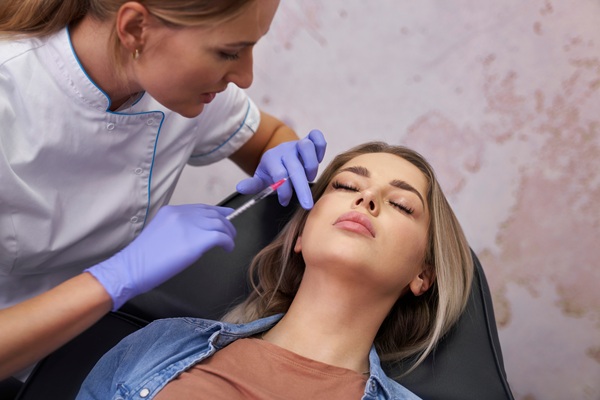
On the day of the procedure, the medical provider will talk the patient through the potential complications of the treatment and how to boost their recovery. The exact treatment process will vary. However, in most cases, the patient will sit in a reclined seat and have their face disinfected with rubbing alcohol and numbed with a local anesthetic.
Then, the practitioner will make a small incision and insert a cannula into it. They will then anchor the thread into place and pull out the cannula. The practitioner will then cut the thread and ensure it is secure.
Most individuals can resume their normal activities within 24 to 48 hours following treatment. It is normal for them to experience some swelling and bruising. However, patients should follow post-guidelines from their medical provider to ensure optimal results. These guidelines may include avoiding the following activities:
Strenuous or intense activity
Rubbing the face
Pursuing lips
Smoking
Drinking through a straw
Sleeping on one's side
Visiting saunas
The patient should sleep with their head propped on a pillow to avoid accidentally rolling onto their face while they are sleeping.
5. Results and longevity
PDO thread results are both immediate and progressive. Although immediate results are often visible, the full benefits of the treatment are usually evident over time as collagen production increases. The initial lifting effect is visible right after the procedure, while skin quality continues to improve over the next two to six months due to ongoing collagen synthesis.
According to a 2019 study published in the Aesthetic Surgery Journal, results can last anywhere from one to nine years. In this study, young people's results lasted from 3 to 4 years, while older people with less skin volume and elasticity only benefited from the treatment for 1 to 2 years. However, these results can depend on the individual's age, the condition of their skin, their environment, and their lifestyle.
Call our Las Vegas office to schedule a consultation
PDO threads are an effective treatment option for those looking for a non-invasive way to rejuvenate their appearance. Do you have questions about the treatment process? Call our Las Vegas office to learn more or to schedule a consultation.
Dr. Lucia Mireles-Chavez of Las Vegas Medical Institute was featured on KTNV’s Morning Blend, where she discussed how Morpheus8 and QuantumRF can help improve skin tightening and body contouring with minimal downtime. Patients looking for skin tightening treatments often want to improve skin laxity, sagging skin, and loose skin without committing to a full surgical…
Morpheus8 results typically last 12–18 months for most patients, and some maintain visible improvements for up to 2 years, but the real answer to how long does Morpheus8 last depends on sun exposure, skin type, and the treatment plan used in-office. Morpheus8 is a minimally invasive procedure that uses radiofrequency RF energy with microneedling to…
Morpheus8 for cellulite can improve the appearance of cellulite, especially mild to moderate dimpling on the thighs and buttocks, by using RF microneedling to deliver radiofrequency energy into deeper layers of skin and connective tissue to stimulate collagen production. It's not a cure-all, and it won't "erase" severe cellulite, deep tethered dimples, or major fat…
Is Morpheus8 painful? For most patients, Morpheus8 feels like mild to moderate discomfort, not extreme pain, especially when a topical numbing cream is used. In-office, the sensation is usually described as pressure plus brief "zaps" of heat from RF microneedling, often landing around a 3–7/10 pain level depending on the treatment area, device settings, and…