Ultherapy vs. Morpheus8: Key Differences and Results
Authored by: Dr. Juan Chavez, MD and Dr. Lucia Mireles-Chavez, MD
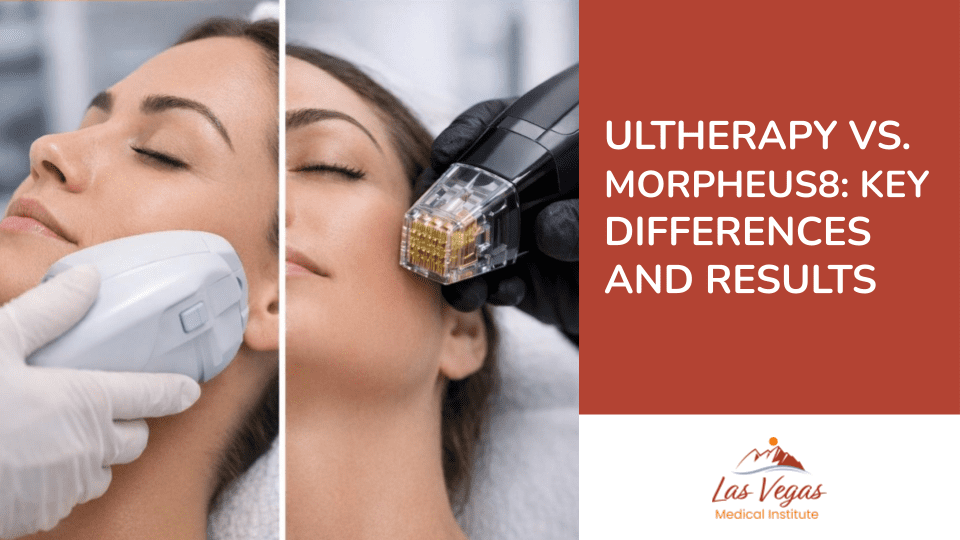
Ultherapy vs Morpheus8 comes down to lifting vs. remodeling: Ultherapy uses focused ultrasound energy to tighten sagging skin by targeting deeper layers for a non surgical facelift effect, while Morpheus8 uses microneedling and radiofrequency energy to improve skin texture, tone, and firmness through collagen and elastin production. For most patients, the "right" choice depends on whether the main goal is visible lifting in the face and neck region or comprehensive skin rejuvenation, like acne scars, enlarged pores, and uneven skin tone.
A consultation typically begins with an assessment of skin laxity, specific skin concerns, and the treatment area, followed by selecting settings that reach deeper layers without unnecessary downtime. Consistent treatment planning and a realistic maintenance schedule often lead to the most reliable results with these non-surgical procedures.
Key Takeaways of Ultherapy vs. Morpheus8
- Ultherapy vs. Morpheus8 is primarily a lifting vs. remodeling decision. Ultherapy targets deeper support layers for a non-surgical facelift effect, while Morpheus8 improves texture and firmness with radiofrequency microneedling.
- Choose Ultherapy if your main goal is visible lift in the face and neck (jawline, under-chin) and moderate skin laxity is the dominant concern.
- Choose Morpheus8 if you want comprehensive skin rejuvenation, smoother texture, fewer acne scars, smaller-looking pores, and more even tone, across the face or body.
- Ultherapy lifting typically becomes noticeable around 2–6 months, while Morpheus8 texture changes can show sooner and continue improving over 3–6 months.
- Ultherapy usually has minimal downtime, while Morpheus8 often causes 1–3 days of redness/swelling because the skin is briefly punctured.
- Get a consultation that covers candidacy, skin-tone/pigment risk, session count, and whether combining Ultherapy and Morpheus8 makes sense for your goals.
How Each Treatment Works
Both options are non invasive (or minimally invasive) skin tightening treatments designed to stimulate collagen production, but they use different energy sources and act on different skin layers.
Ultherapy: Focused Ultrasound For Deep Lifting
Ultherapy treatments rely on ultrasound technology to deliver targeted ultrasound energy below the skin's surface. Ultrasound gel is applied, then the handpiece is placed on the skin to deliver focused ultrasound energy in precise lines. These ultrasound waves target deeper layers associated with structural support.
That controlled heating triggers collagen stimulation over time as collagen develops and remodels. Because the energy is delivered without needles, Ultherapy does not break the skin's surface. The goal is visible lifting and improved skin elasticity, especially when moderate skin laxity or loose skin is the primary issue.
Morpheus8: Radiofrequency Microneedling For Remodeling
Morpheus8 combines tiny needles with radiofrequency energy. After topical numbing cream (often called numbing cream), a microneedling tip creates micro-channels and delivers radiofrequency heat into underlying layers of the dermis. This is why it's often described as radiofrequency microneedling.
The controlled injury and heat drive stimulating collagen production and elastin production, supporting tighter skin and enhancing skin texture. Because settings can be adjusted by depth and energy, Morpheus8 is a versatile treatment for both the face and many body areas, aiming for skin rejuvenation and improved skin firmness rather than only lift.
What Each Treatment Is Best For
Choosing between Morpheus8 and Ultherapy is easiest when the device is matched to the main concern: lifting for sagging skin or remodeling for texture and tone.
Best Areas And Concerns For Ultherapy
Ultherapy is best known for tightening and lifting in the face and neck, including the jawline and under-chin area. It's commonly used to tighten sagging skin and improve a "tired" lower face when skin laxity is the central complaint. Many practices also treat the chest, where crepey skin and sun-related thinning can show early.
It tends to fit patients with moderate skin laxity who want non surgical skin tightening without disrupting normal activities. Because Ultherapy targets deeper layers, it's usually chosen for structural change: better skin firmness, improved skin elasticity, and a more youthful appearance that builds gradually.
Best Areas And Concerns For Morpheus8
Morpheus8 is often chosen when texture is the headline problem. It can improve skin texture, help acne scars, and reduce the look of enlarged pores by remodeling dermal tissue and supporting more even skin tone. It can also support skin tightening, but it shines when the skin's surface needs refinement.
It's also used beyond the face and neck region. Morpheus8 procedure treats body concerns such as loose skin on the arms, abdomen, and above the knees. Morpheus 8 is also used it for stretch marks. Because it's a customizable, versatile treatment, Morpheus8 can be tailored to different treatment area thicknesses and goals, from skin rejuvenation to tightening.
Results Timeline And How Long Results Last
Both treatments trigger collagen stimulation, so results are not purely "instant." The timelines differ because ultrasound energy and radiofrequency energy create different patterns of healing and remodeling.
When You’ll See Changes With Ultherapy
With Ultherapy, subtle tightening can appear earlier, but most visible lifting develops as new collagen forms. Many patients start noticing changes somewhere in the 2–6 month range, depending on baseline skin laxity and the intensity of the initial treatment.
Because the approach is aimed at deeper layers, the improvement often reads as "more supported" rather than "polished." The face and neck may look firmer, and the jawline can appear cleaner. Patients seeking a youthful appearance usually need patience, since collagen develops gradually.
When You’ll See Changes With Morpheus8
Morpheus8 can show earlier improvements in skin texture and skin tone, sometimes within days to a few weeks as swelling settles and the skin starts to look refreshed. But, the fuller tightening and remodeling effect commonly continues to build over 3–6 months as collagen and elastin production ramps up.
For acne scars and pore appearance, changes often stack session to session. That's why many practices set expectations around progressive improvement, not a single "big reveal." The endpoint is typically rejuvenated skin with smoother texture and better overall skin health.
Typical Longevity And Maintenance Schedules
Ultherapy typically delivers results that last about 1–2 years. Many patients schedule maintenance treatments every 9–12 months to maintain skin firmness. The exact schedule depends on age, degree of sagging skin, and lifestyle factors that affect collagen production.
Many patients report Morpheus8 results lasting 2–5 years, especially when they complete a full treatment series and maintain results with annual touch-ups. Supportive skincare can also help maintain skin quality between visits, including hydration-focused routines that contain hyaluronic acid.
Session Plans, Customization, And Combination Approaches
The best outcomes typically come from a plan that matches the device to the desired outcome, then uses realistic session spacing and aftercare to achieve optimal results.
Typical Number Of Sessions And Treatment Settings
Most treatment plans use one Ultherapy session, although some patients choose two treatments depending on skin laxity and goals. The treatment uses ultrasound technology to guide placement, and the operator selects energy lines based on anatomy and the degree of sagging skin. Because the treatment targets deeper layers, the plan selects settings that penetrate deeply without over-treating.
Many treatment plans include a series of Morpheus8 sessions, often 1–3 treatments spaced a few weeks apart. The treatment adjusts depth, pass count, and radiofrequency energy levels based on the treatment area and skin thickness. That flexibility is why it can address both skin tightening and texture issues like acne scars.
When Combining Ultherapy And Morpheus8 Makes Sense
Combining can be logical when a patient has both skin laxity and surface-level concerns. For example, Ultherapy can focus on structural lift in the face and neck. Morpheus8 refines skin texture, improves skin tone, and supports comprehensive skin rejuvenation.
Plans often space procedures several weeks apart so inflammation settles and changes can be monitored over time. The key differences in mechanism matter here: targeted ultrasound energy for deeper lifting vs microneedling and radiofrequency energy for remodeling. A good plan avoids stacking downtime and aims to achieve optimal results safely.
How To Choose Between Ultherapy And Morpheus8 in Las Vegas, NV
In a true morpheus8 vs ultherapy decision, the "best" treatment is the one that targets the dominant problem in the right skin layers.
Decision Factors: Laxity Vs. Texture
If the primary concern is sagging skin and a desire to tighten loose skin in the face and neck region, Ultherapy is often the more direct match. It is a non-invasive procedure designed to lift the skin by targeting deeper layers with ultrasound energy.
If skin texture, acne scars, enlarged pores, or overall skin rejuvenation are the main concerns, many patients favor Morpheus8. It can also tighten skin, but it's especially strong at enhancing skin texture across face and body.
Frequently Asked Questions About Ultherapy vs. Morpheus8: Key Differences and Results
Ultherapy vs. Morpheus8: what’s the key difference in how they tighten skin?
Ultherapy uses focused ultrasound energy to reach deeper support layers and create a lifting effect without breaking the skin. Morpheus8 uses radiofrequency microneedling, tiny needles plus RF heat, to remodel the dermis, boosting collagen and elastin for firmer skin and improved texture.
Which is better for sagging skin on the face and neck?
For visible lifting of sagging skin in the face and neck (jawline, under-chin), Ultherapy is usually the more direct match because it targets deeper structural layers. Morpheus8 can also tighten skin, but many patients choose it when texture concerns matter as well.
Is Morpheus8 better than Ultherapy for acne scars, large pores, and uneven tone?
Yes. Morpheus8 targets skin remodeling and rejuvenation, so many patients choose it for acne scars, enlarged pores, uneven tone, and rough texture. Many Morpheus8 patient reviews report positive feedback about the results. Ultherapy focuses more on lift and support, so it may not refine the surface as much.
How long do Ultherapy vs. Morpheus8 results take, and how long do they last?
Ultherapy results build gradually as collagen forms, many people notice lifting in about 2–6 months, with results often lasting 1–2 years (maintenance every 9–12 months). Morpheus8 may show earlier texture changes, with full remodeling in 3–6 months and longevity often 2–5 years with annual touch-ups.
How much downtime do Morpheus8 and Ultherapy require?
Ultherapy typically has minimal downtime, temporary redness, mild swelling, or tenderness, and many return to normal activities right away. Morpheus8 recovery usually involves 1–3 days of redness and swelling because needles create micro-channels; some people also feel a brief rough, “sandpapery” texture while healing.
Can you combine Ultherapy and Morpheus8 for better results?
Yes, combining can make sense if you have both laxity (needing lift) and surface concerns (texture, pores, scars). A common approach is Ultherapy for deeper lifting, then Morpheus8 for remodeling and refinement. Most plans space treatments several weeks apart to manage inflammation and monitor results safely. Schedule your Morpheus8 treatment at Las Vegas Medical Institute and experience smoother, firmer, more refreshed-looking skin.
Conclusion and Summary of Ultherapy vs. Morpheus8: Key Differences and Results
Ultherapy vs Morpheus8 isn't a popularity contest. It's a match between the problem and the tool. Ultherapy uses ultrasound energy to create visible lifting by targeting deeper layers in the face and neck, making it a go-to for moderate skin laxity and sagging skin. Morpheus8 uses radiofrequency microneedling to remodel tissue, making it a strong choice for improving skin texture, acne scars, and overall skin rejuvenation with minimal downtime.
For most patients, the smartest next step is a consultation that evaluates candidacy, skin tone considerations, and a realistic session plan. When patients choose the treatment for the right reason and schedule it at the right time, both options can support tighter, firmer, more youthful-looking skin without surgery.
Cover Image Illustration by: By Las Vegas Medical Institute.