How to Fix Bald Spots With Platelet-Rich Plasma (PRP) Injections
Authored by: Dr. Juan Chavez, MD and Dr. Lucia Mireles-Chavez, MD
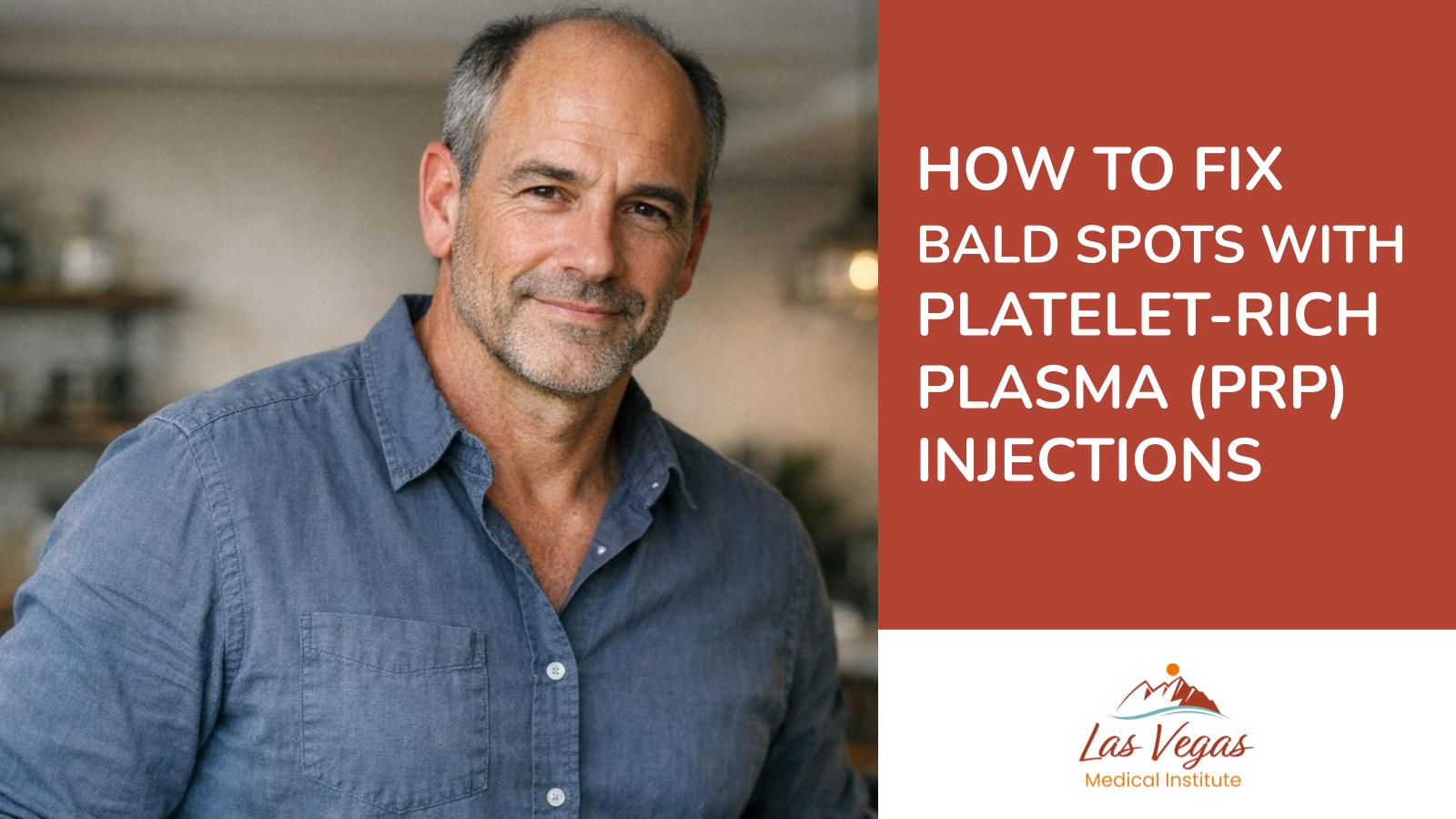
How to fix bald spots with platelet-rich plasma usually means targeting early hair loss in a medical office to stimulate new hair growth. PRP uses a person's own blood platelets to wake up sluggish hair follicles, encourage regrowth, and thicken thinning areas without surgery. For many men and women with male pattern baldness, female pattern baldness, or patchy hair loss, it can slow further hair loss and improve density over several months.
Instead of just hiding bald spots with styling products, powders, or wigs, PRP aims to improve the scalp itself. A healthcare provider draws blood, concentrates the platelets, and injects them into bald patches or a receding hairline to support hair regrowth. Most treatment plans involve several sessions, and studies on androgenetic alopecia and alopecia areata show meaningful increases in hair density and thickness in a large share of patients.
Key Takeaways of How to Fix Bald Spots With Platelet-Rich Plasma (PRP)
- When exploring how to fix bald spots, platelet-rich plasma (PRP) injections work by using your own concentrated blood platelets to stimulate weak hair follicles and thicken thinning areas of the scalp.
- PRP for bald spots is most effective in early hair loss, when miniaturized follicles are still present, not on completely smooth, scarred areas.
- A typical PRP treatment plan involves multiple office sessions spaced about a month apart, followed by maintenance visits every 4-6 months, with visible improvements in shedding and density usually appearing after 3–6 months.
- PRP injections carry low allergy risk but can cause temporary pain, swelling, and irritation, so choosing a trained hair restoration specialist is critical for safety and predictable results.
- For the best long-term outcome in fixing bald spots, PRP is often combined with topical or oral medications, gentle hair care, and lifestyle changes that address underlying factors like nutrient deficiencies and hormonal or autoimmune triggers.
What Are Platelet-Rich Plasma Injections And How Do They Work?
Platelet rich plasma therapy is a medical office treatment that uses concentrated platelets from a person's own blood to encourage hair regrow in thinning or bald areas of the scalp.
The Science Behind PRP And Hair Follicle Regrowth
PRP begins with a simple blood draw, similar to a routine blood test. The blood is spun in a centrifuge to separate the platelet-rich plasma from red and white blood cells. That platelet fraction contains growth factors such as epidermal growth factor and vascular endothelial growth factor that support tissue repair.
When injected into the scalp, those growth factors interact with hair follicles in the thinning areas. Research in androgenetic alopecia and female pattern baldness shows PRP can stimulate dermal papilla cells, which help control the hair growth cycle. By improving blood supply and reducing programmed cell death in follicles, PRP can extend the anagen, or growth, phase.
Over several sessions, many patients see increased hair density and thicker shafts in treated regions, including a widening part or early bald patches. Clinical studies reported response rates up to roughly three quarters of treated patients, especially when bald spots still contain miniaturized follicles and are not completely smooth. PRP cannot create follicles where none remain, but it can help regrow hair from weak, existing follicles.
Who Is A Good Candidate For PRP For Bald Spots?
PRP tends to work best for people in the early stages of hair loss who still have visible or detectable follicles in the bald area, rather than complete baldness.
Types Of Bald Spots PRP Can Help Treat
The strongest evidence for PRP involves androgenetic alopecia, better known as pattern baldness. This includes male pattern baldness with a receding hairline or thinning at the crown, and female pattern baldness with diffuse thinning and a widening part. In these settings, PRP can add volume, improve density, and slow progression.
Some patients develop alopecia areata, an autoimmune disorder where the immune system attacks follicles and causes patchy hair loss, can also benefit. In patchy hair loss with round bald spots but preserved follicle openings, PRP may help encourage regrowth when used alongside other treatments. It is one of several treatment options a healthcare provider may consider, especially when topical or injected steroids have not been enough.
Men and women with thinning rather than shiny, scarred skin on the scalp respond better. That includes people noticing recent shedding, mild patchy hair, or a newly visible scalp through the hair. A family history of pattern baldness does not rule out success. In fact, hereditary hair loss is one of the main reasons PRP is used, as long as follicles remain.
When PRP May Not Be The Right Choice
PRP is less effective when the scalp shows complete baldness, with smooth, reflective skin and no visible follicle openings. In those cases, a hair transplant or scalp reduction surgery may be more realistic. Scarring alopecias, where inflammation destroys follicles, also respond poorly, so a careful physical exam and sometimes a biopsy are important before treatment.
People with uncontrolled medical conditions may not be ideal candidates. Active infections, certain blood disorders, or severe autoimmune diseases affecting the skin and body can increase risk. In rare cases, medications that affect platelets can interfere with PRP quality.
What To Expect Before, During, And After A PRP Session
Knowing what happens at each visit helps reduce anxiety and allows patients to focus on long-term regrowth instead of short-term discomfort.
The PRP Injection Process Step By Step
Before the first session, the provider takes a detailed history and performs a physical exam of the scalp and skin. They review family history, recent shedding patterns, styling products, and prior treatments such as minoxidil or laser therapy. Photos of the head from several angles document bald spots, thinning areas, and patchy hair.
On treatment day, a small amount of blood is drawn from a vein in the arm. That blood is spun in a centrifuge to separate platelet-rich plasma from the rest of the components. The higher platelet concentration is what distinguishes PRP from regular plasma.
The scalp is cleansed, and topical numbing or small injections of local anesthetic may be used to improve comfort. The provider then injects PRP in a grid-like pattern across the bald area, thinning regions, or along a receding hairline. The entire procedure usually takes 30 to 60 minutes in the office.
Pain, Downtime, And Recovery Timeline
Most patients describe the sensation as a series of pinches or pressure rather than severe pain. Discomfort depends on individual sensitivity and the number of injections. Mild scalp irritation, tenderness, or swelling can occur in the first one to two days.
There is usually no significant downtime. People can return to work the same day, though they may be advised to avoid strenuous exercise or heavy sweating until the next day. Some providers suggest delaying harsh styling products or hair color for a short time to minimize irritation.
How Many Sessions You Need And When You See Results
Most protocols involve a series of treatments rather than a single visit. A common schedule is one session each month for three sessions, followed by maintenance every four to six months. The exact plan depends on the degree of baldness, age, and other health factors.
Visible changes in hair density take time because hair growth cycles are slow. Many patients notice reduced shedding in two to three months, followed by subtle thickening in the bald patches. More obvious new hair growth often appears between three and six months.
In some cases, there is a temporary increase in shedding early in the series as weaker hairs fall out and stronger ones begin to grow. This can feel alarming but is usually short-lived. Consistent follow-up and photos help track progress that might be hard to see day to day.
Benefits And Limitations of PRP For Bald Spots
PRP offers an appealing balance for many patients: it is less invasive than surgery but often more targeted than simply applying a topical alone.
Realistic Results: Regrowth, Thickening, And Shedding Changes
When PRP works well, the main benefit is thicker, denser hair in treated regions, not a completely new hairline from scratch. Patients often report that the scalp is less visible through the hair and that styling is easier. In male pattern baldness, this may mean a fuller crown and less obvious receding hairline. In female pattern baldness, it can narrow a widening part and improve overall volume.
Improved density can help hide hair loss without relying solely on strategic hairstyles or cosmetic cover-ups. Some people notice better coverage of the bald area even before dramatic regrowth, because existing hairs become stronger and more pigmented. Over months, combined effects on regrowth and shaft thickness can significantly change the appearance.
Risks, Side Effects, And Safety Considerations
Because PRP uses the patient's own blood, allergy risk is low. Common side effects include temporary pain, swelling, itching, or mild scalp irritation at injection sites. These usually resolve within a few days and respond to basic self care, like gentle cleansing and avoiding scratching.
More serious complications are rare but possible. Infection, significant bleeding, or injury to deeper structures can occur if technique is poor. That is why treatment should be done by a trained healthcare provider, not in non-medical settings. People with certain bleeding disorders or on strong blood thinners may face higher risks.
Comparing PRP To Other Bald Spot Treatments
Understanding how PRP fits with topical medications and hair transplant surgery helps patients choose the most appropriate strategy for their specific type of baldness.
PRP Versus Topical And Oral Medications
Topical medication such as minoxidil remains a mainstay for pattern baldness. It can stimulate hair growth and slow further hair loss in many people, but adherence is key. Oral medication, including certain prescription drugs for male pattern baldness, can also reduce shedding and support regrowth, though they may carry systemic possible side effects.
PRP differs because it is delivered directly into the scalp instead of through daily applications or pills. Several studies suggest that combining PRP with minoxidil or selected oral medications yields better density than either alone. This layered approach targets follicles from different angles, which may encourage regrowth and improve long-term stability.
PRP Versus Hair Transplant Surgery
Hair transplant surgery physically moves follicles from the back or sides of the head into bald spots. It is often considered when baldness is advanced and thinning covers large areas. A transplant can provide dramatic coverage but involves downtime, surgical risks, and higher upfront costs.
PRP is not a direct replacement for a hair transplant. It cannot create follicles where none exist. But, it can be a valuable tool in the early stages, delaying the need for surgery in some patients. It may also be used around the time of transplant to improve graft survival, encourage regrowth, and enhance the final density.
For those with limited bald patches or patchy hair loss, trying PRP first can make sense, especially if they prefer a less invasive route. For extensive hereditary hair loss, a transplant with or without PRP may provide more noticeable coverage. A thoughtful consultation can outline different treatment options and help match the approach to the person's age, goals, and long-term health.
Frequently Asked Questions About How to Fix Bald Spots With Platelet-Rich Plasma (PRP) Injections
How do platelet-rich plasma injections help fix bald spots?
Platelet-rich plasma injections use your own blood, spun in a centrifuge to concentrate platelets and growth factors, then injected into thinning or bald areas. These growth factors stimulate sluggish hair follicles, improve blood supply, and can extend the growth phase, leading to thicker, denser hair over several months.
How to fix bald spots with platelet-rich plasma injections instead of a hair transplant?
If you still have miniaturized follicles, not completely smooth, shiny scalp, PRP can often thicken existing hair and slow further loss, especially in early male or female pattern baldness. It’s less invasive and cheaper upfront than a hair transplant, but won’t create new follicles where none remain, so results are more modest.
How many PRP sessions do I need to fix bald spots and when will I see results?
Most protocols use one PRP session per month for about three months, followed by maintenance every six to nine months. Many people notice less shedding by two to three months and visible thickening between three and six months. Photos and follow-ups help track gradual improvement in bald or thinning areas.
Who is a good candidate for PRP injections for bald spots?
PRP works best for early hair loss where follicles are still present, such as male pattern baldness or some cases of alopecia areata with patchy hair loss. People with thinning, not scarred or shiny scalp, generally respond better. Advanced scarring alopecia or complete baldness is less likely to improve.
How much do platelet-rich plasma injections for bald spots cost, and does insurance cover them?
In Las Vegas, Nevada, PRP for hair loss typically costs about $1,000–$2,000 per session, depending on the protocol. Because it’s usually considered a cosmetic procedure, insurance rarely covers it. Most patients pay out of pocket and should clarify total series and maintenance costs during consultation.
Conclusion and Summary of How to Fix Bald Spots With Platelet-Rich Plasma (PRP) Injections
For many people asking how to fix bald spots, platelet-rich plasma injections offer a promising middle ground between daily medications and surgery. By using concentrated platelets from a person's own blood, PRP can support hair follicle function, increase density, and make thinning areas less visible when started early.
It is not suitable for every cause of baldness, and it is not a guaranteed or permanent solution. Still, when combined with thoughtful medical evaluation, appropriate medications, and healthy lifestyle choices, PRP can play a significant role in a comprehensive hair regrowth strategy. Scheduling a consultation is the best first step toward understanding whether this treatment fits a person's unique pattern of hair loss and long-term goals for appearance and health.
Ready to Restore Your Hair with Non-Surgical Hair Restoration in Las Vegas?
Thicker Hair. Natural Regrowth. No Downtime.
Unlike hair transplants that require invasive surgery, scarring, and weeks of recovery, our advanced platelet-rich plasma PRP hair restoration uses your body's own healing platelets to naturally stimulate hair follicles and regrow your hair. It's like waking up dormant follicles and giving them the growth factors they need to thrive again.
This isn't hiding under toupees or settling for temporary hair replacement systems. Our medical-grade hair restoration without surgery delivers concentrated growth factors directly into your scalp, targeting the root cause of thinning and triggering natural regrowth where you need it most.
Are You Experiencing These Common Hair Loss Problems?
- Receding hairline that keeps moving back.
- Thinning crown that’s becoming more visible.
- Bald spots that won’t fill in.
- Male pattern baldness affecting your confidence.
- Female pattern baldness that’s getting worse.
- Patchy hair loss in multiple areas.
- Frontal hairline thinning and recession.
- Sudden hair loss that appeared out of nowhere.
Experience Benefits You Can Actually FEEL:
- Natural hair regrowth without surgery or scars.
- Thicker, fuller hair that’s actually yours.
- No more hiding under toupees or wigs.
- Effective non-surgical hair restoration for men and women.
- Minimally invasive with no downtime.
- Safe, natural solution using your own blood platelets.
- Real hair replacement from your own follicles.
- And much more!
Why settle for temporary cover-ups or invasive transplants when you can regrow your own hair naturally? PRP hair restoration is trusted by men and women worldwide who've experienced real regrowth in areas they thought were gone forever. Many patients see visible improvements within months, with continued thickening over time.
At Las Vegas Medical Institute, we blend advanced PRP hair restoration technology with physician-led expertise for hair restoration results that restores your hair, appearance, and your confidence.
Ready to regrow your hair naturally? Schedule Your Hair Restoration Consultation here, or call us today at (725) 258-5864 and discover how non-surgical hair restoration is helping men and women across Las Vegas reclaim their full, healthy hair!
Cover Photo Illustration by: By Las Vegas Medical Institute.