Regenerative Medicine Explained: How the Body Heals Itself Naturally
Authored by: Dr. Juan Chavez, MD and Dr. Lucia Mireles-Chavez, MD
Regenerative medicine is the advanced medical science focused on restoring, repairing, or replacing damaged tissues and organs to reestablish normal function. By harnessing the body's own healing powers through innovative techniques like platelet-rich plasma (PRP) therapy and exosome therapy, this approach can promote deep, natural repair and even regrow cartilage, boost healing in chronic wounds, and improve function in patients with orthopedic and musculoskeletal injuries. Key advances include minimally invasive procedures that may reduce chronic pain, speed up recovery, and offer significant relief without surgery.
Key Takeaways of Regenerative Medicine
- Regenerative medicine focuses on restoring or repairing tissues and organs for true healing, not just symptom relief.
- Innovative therapies like PRP and exosome treatments harness the body’s natural repair processes, speeding up recovery.
- Most regenerative treatments are minimally invasive, helping patients with orthopedic injuries and chronic pain regain function and improve quality of life.
- Key technologies include stem cell alternatives, tissue engineering, and gene editing, each contributing to future advances.
- Patients should prioritize board-certified expertise and evidence-based treatments to ensure safe and effective use of regenerative medicine.
- As research evolves, regenerative medicine continues to expand options, offering hope to those with previously untreatable or chronic conditions.
Regenerative Medicine
Regenerative medicine is a rapidly evolving field that aims to restore, replace, or regenerate human tissues and organs. Instead of focusing solely on managing symptoms, it seeks to reestablish normal function at the cellular level, often by repairing, stimulating, or replacing the body's own natural healing mechanisms. This biomedical approach addresses lost tissue, chronic injuries, and diseases by leveraging the body's powerful regenerative capabilities.
In clinical practice, regenerative medicine encompasses a spectrum of treatments, including PRP therapy, exosome therapy, and cell-based techniques. Each technique is focused on mobilizing the body's intrinsic repair mechanisms.
While some therapies, like prolotherapy, amniotic membrane injections, microfragmented adipose tissue, BMAC (bone marrow aspirate concentrate), and hyaluronic acid, are part of the broader landscape, today's most widely used methods in the U.S. for musculoskeletal and orthopedic conditions are PRP and exosomes. Each therapy focuses on helping patients regain function and improve quality of life through safe, non-surgical interventions.
How Regenerative Medicine Works
Regenerative medicine works by facilitating, enhancing, or initiating the body's innate capacity for tissue repair and healing. The science integrates cellular therapy, biologically active molecules, and tissue engineering techniques.
PRP therapy involves concentrating a patient's own blood platelets and infusing them at the site of injury or degeneration. PRP release growth factors and cytokines that jumpstart the healing process. Exosome therapy goes a step further. Exosomes, tiny vesicles secreted by cells, deliver potent biomolecules to target tissues, helping cell-to-cell communication and activating natural repair programs. The end goal is to promote healing, reduce inflammation, and help the body heal itself, often with noticeable improvements.
Modern regenerative medicine often minimizes downtime and complications thanks to minimally invasive procedures. They can support recovery in various stages of injury, from tendon or cartilage tears to chronic diseases and degenerative conditions. This approach empowers patients, especially those seeking to avoid surgery, to reclaim active, pain-free lives. Current estimates suggest that about one in three Americans may benefit from regenerative medicine treatments.
Key Strategies and Technologies
Regenerative medicine is driven by several key strategies and technologies, each contributing to enhanced healing and restoration of normal function.
What is Stem Cell Therapy?
Stem cell therapy is one of the most widely known forms of regenerative medicine. Stem cells, typically adult stem cells found in bone marrow, adipose tissue, blood, or dental pulp, can differentiate into various cell types, helping replenish or repair damaged and lost tissues. In many instances, stem cells are harnessed for their remarkable ability to promote healing and establish normal tissue function. But, traditional stem cell injections for orthopedic and pain conditions are not FDA-approved in the United States, except for select blood disorders treated with cord blood–derived products.
Patients need to know that regulatory focus has shifted towards safe, evidence-based alternatives such as PRP therapy and exosome therapy. These options offer comparable benefits without the regulatory and safety challenges associated with direct stem cell use. Both therapies are now leading choices for treating chronic conditions, sports injuries, and degenerative diseases.
Tissue Engineering and Biomaterials
Tissue engineering merges living cells with supportive biomaterials, such as synthetic or natural scaffolds, to create environments that foster tissue repair and potentially regrow cartilage or bone. Lab-grown tissues and engineered bio-scaffolds can mimic the architecture of native tissues and, in certain cases, be transplanted to replace or reinforce damaged structures. Growth factors are often integrated into these materials to boost healing and help structural restoration in injured tissues.
This technology, still largely within research and specialized clinical settings, demonstrates great potential for treating or restoring tissue or organ function lost due to disease or trauma.
Gene Editing and Cellular Reprogramming
Gene editing and cellular reprogramming represent the vanguard of regenerative biotherapeutics. With gene therapy, precise edits can be made to the DNA within a patient's cells. By correcting genetic defects that cause chronic diseases or impair tissue healing. Cellular reprogramming, on the other hand, converts mature cells back into a more primitive, pluripotent state, unlocking the ability to create new cell types on demand.
These advancements offer remarkable hope in the laboratory and clinical trials for future repair mechanisms. From restoring insulin production in diabetes to enhancing tissue engineering or cell-based therapy outcomes. Their application in orthopedics and organ repair is still emerging, yet the impact on the future of medicine could be transformative.
Applications in Medicine and Healthcare
Regenerative medicine has a powerful impact on a wide spectrum of medical specialties. Most notably, it stands at the forefront of orthopedic care, pain management, and the treatment of chronic wounds and degenerative diseases.
PRP therapy and exosome therapy are leading solutions for chronic tendinopathy, knee pain, and sports injuries, by delivering growth factors and biologically active molecules directly to the site of damage. This process supports the formation of new blood vessels, encourages the regrowth of cartilage cells, and reduces inflammation. The ambition is always to restore structure and improve function, whether the target is knee cartilage, joint surfaces, or damaged tendons.
Regenerative approaches have shown promise far beyond orthopedics as well:
- Wound Healing: Chronic wounds, especially those resistant to traditional therapies, may see improved closure with cellular therapy.
- Neurology: Experimental research suggests future roles for regenerative treatments in nerve repair and recovery after injury.
- Organ Function Restoration: Tissue engineering and biologically active molecules are being explored to improve function in organs such as the heart, pancreas (for insulin production), and even the brain.
- Dental and Facial Repair: Regenerative dentistry harnesses growth factors and cell therapy for bone and dental pulp regeneration.
These advances empower a new generation of therapies that help patients avoid the complications of surgery and extended downtime. Relief from chronic pain, improved mobility, and a return to an active lifestyle.
Challenges and Ethical Considerations
Even though its promise, regenerative medicine comes with scientific and ethical complexities. One ongoing challenge is the need to ensure that all therapies, meet rigorous safety, quality, and efficacy standards before widespread use.
Traditional stem cell treatments for orthopedic and pain conditions are not FDA-approved in the United States. The regulatory landscape shifted significantly after May 2021, when the FDA began enforcing stricter oversight of stem cell clinics. Currently, the only FDA-approved stem cell products are derived from cord blood and used for specific blood disorders. In contrast, PRP therapy and exosome therapy offer safe, well-studied alternatives that avoid many regulatory pitfalls and are supported by robust clinical literature.
The Future of Regenerative Medicine
Regenerative medicine research continues to push the boundaries of what's possible for patient care and quality of life. Innovations such as advanced tissue engineering, targeted cell therapy, and next-generation gene therapy are steadily moving from laboratory animal models into clinical trials and, eventually, real-world practice.
In the upcoming years, patients may benefit from more precise, minimally invasive procedures to treat osteoarthritis (OA), chronic musculoskeletal injuries, and other conditions previously considered untreatable. Personalized medicine, guided by genetic insights and new delivery systems for biologically active molecules, will likely make cellular healing even more effective and accessible. There's growing optimism that, through regenerative biotherapeutics and novel repair mechanisms, medicine will not only treat but actually cure or reverse certain chronic diseases.
Frequently Asked Questions About Regenerative Medicine Explained: How the Body Heals Itself Naturally
What is regenerative medicine and how does it work?
Regenerative medicine is an innovative field focused on restoring, repairing, or replacing damaged tissues and organs to regain normal function. It works by utilizing the body’s own healing mechanisms via therapies like PRP and exosomes. By stimulating repair at the cellular level and promoting natural healing, these therapies are gaining popularity.
What are the main types of regenerative medicine treatments?
The primary regenerative medicine treatments include stem cell therapy alternatives, platelet-rich plasma (PRP) therapy, and exosome therapy. These treatments help activate the body’s repair mechanisms, supporting healing through minimally invasive procedures.
How safe and effective are PRP and exosome therapies?
PRP and exosome therapies are well-studied, evidence-based regenerative medicine options. They are generally considered safe and effective for conditions like chronic pain, joint injuries, and degenerative diseases, particularly when alternatives or surgery are less desirable.
Is stem cell therapy approved for orthopedic conditions in the United States?
Currently, traditional stem cell therapy injections for orthopedic or pain-related conditions are not FDA-approved in the United States. Safer, regulated options include PRP and exosome therapies for musculoskeletal issues. Studies suggest PRP can improve symptoms in knee osteoarthritis (OA).
What are the potential future applications of regenerative medicine?
Ongoing research suggests regenerative medicine may soon enable advanced tissue engineering, gene therapy, and organ restoration. The field holds promise for treating previously untreatable conditions, enhancing personalized care and possibly reversing certain diseases.
Who is a good candidate for regenerative medicine treatments?
Candidates for regenerative medicine include individuals with chronic pain, orthopedic injuries, or degenerative diseases. Early intervention can help preserve function, and younger patients are increasingly benefitting from these innovative therapies.
Conclusion and Summary of Regenerative Medicine Explained: How the Body Heals Itself Naturally
Regenerative medicine, at its heart, this field stands for empowering patients to reclaim their health and function through safe, innovative therapies. By focusing on the body's own ability to heal, regenerative therapies offer real relief and renewed confidence, helping many return to active, pain-free lives sooner, without major surgery.
Ready to Unlock Your Body’s Natural Healing Power with Stem Cell Alternative Regenerative Medicine Therapies in Las Vegas?
Heal Faster. Reduce Pain. Restore Mobility and Function.
Unlike traditional treatments that just mask symptoms with medications or invasive surgery, advanced stem cell alternatives use your body's own healing mechanisms to actually repair damaged tissues at the cellular level. It's like giving your body the tools it needs to rebuild itself from the inside out.
This isn't your typical pain management. Medical-grade platelet-rich plasma PRP Therapy and Exosome Therapy deliver concentrated growth factors and biologically active molecules directly to injured tissues, jumpstarting natural repair, reducing inflammation, and helping you regrow cartilage and restore function.
Experience Benefits You Can Actually FEEL:
- Faster healing for chronic injuries and joint pain.
- Reduced inflammation and pain relief without surgery.
- Improved mobility and restored function.
- Cartilage regeneration and tissue repair.
- Minimized downtime with minimally invasive procedures.
- Relief from osteoarthritis and degenerative conditions.
- Enhanced recovery for sports injuries.
- And much more!
Why settle for temporary relief when you can achieve lasting healing? While traditional stem cell therapy for orthopedic conditions is not FDA-approved in the United States, there are evidence-based stem cell alternative cellular therapy options available. PRP and Exosome Treatments offer safe, proven alternatives backed by clinical research. Professional athletes depend on regenerative medicine for peak performance. Many patients experience mobility improvements they thought were once impossible without major surgery.
At Las Vegas Medical Institute, we combine cutting-edge regenerative technology with deep medical expertise for healing that transforms lives.
Schedule Your Regenerative Medicine Consultation here, or call us today at (725) 258-5864 and discover how stem cell alternative therapies are helping patients across Las Vegas reclaim active, pain-free lives!
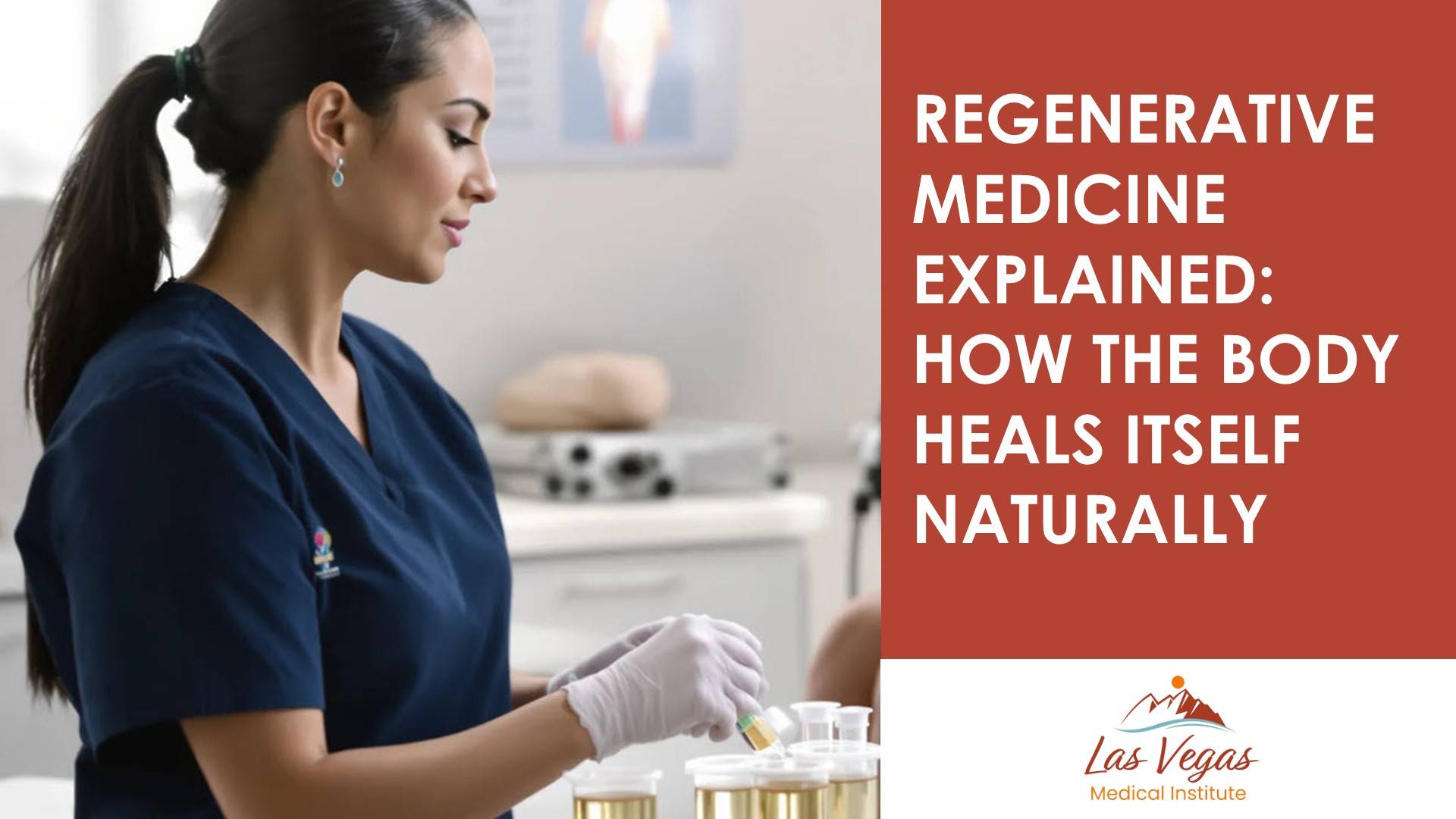
Cover Photo Illustration by: Las Vegas Medical Institute.