Non-Surgical Hair Restoration: A Modern Solution for Thinning Hair
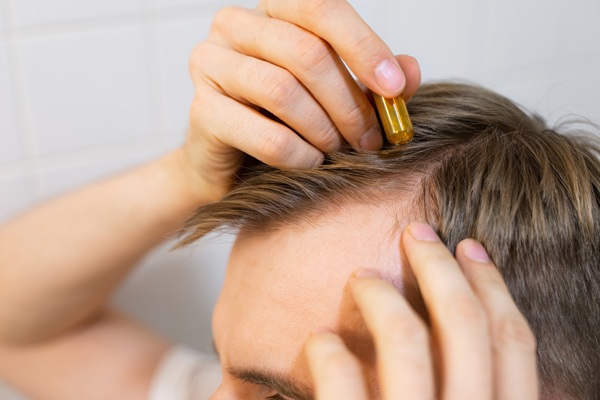
Though hair loss can feel frustrating and affect a person's confidence, there are modern non-surgical hair restoration solutions that can help. For those not ready to consider surgery, these treatments can offer gentle and effective options. Modern therapies help men and women regain fullness and confidence without needing long recovery times.
How hair thinning begins
Hair thinning happens for many reasons, including age, stress, illness, or family history. For some, it starts slowly and becomes more noticeable over time. For others, it may come on faster and feel more sudden. Hair follicles can shrink or weaken, making it harder for hair to grow thick and strong. Some people also notice more hair falling out than usual. These changes can lead to thin or weak hair patches across the scalp.
What non-surgical hair restoration means
Non-surgical hair restoration is a set of treatments that help restore hair growth without surgery. These treatments use safe, gentle methods to wake up hair follicles, improve blood flow, and support the scalp. They help slow down hair loss and give new growth a better chance.
Many treatments use natural ingredients or the body's healing tools. For example, some options include platelet-rich plasma (PRP) made from a person's blood. Others may use special light therapy or topical solutions that help nourish the scalp.
Benefits of choosing non-surgical options
People turn to non-surgical hair restoration for its safety, ease, and appealing results. It is non-invasive, meaning there is no cutting or scarring. In fact, most people do not need to miss work or other plans to accommodate a session. Safety is another plus, as using the body's healing power or proven technology often leads to fewer side effects. In most cases, they leave with no pain and can return to normal activities immediately. Another benefit is the natural-looking results. Because the treatment supports the body's hair, the results blend with the person's style. Over time, hair becomes fuller, thicker, and stronger.
Who makes a good candidate?
Not everyone will see the same results, but many are good candidates for non-surgical hair restoration. Those in the early stages of hair thinning often get the best results. If the hair is still growing in some areas, these treatments can help it grow thicker and stay healthy.
People who are in good general health and do not have scalp infections or severe skin problems tend to respond well. It is also helpful if the person is not taking certain medications that cause hair loss. A trained provider can review health history and goals to see if this option fits.
Age does not matter as much as hair and scalp health. Both men and women can benefit, and people in their 20s, 30s, 40s, and beyond have seen results—even if the thinning has been happening for a while.
What to expect during treatment
The first step is usually a consultation. During this visit, the provider checks the scalp, asks about hair history, and explains possible results. From there, a plan is made. Some people begin treatment the same day, while others may start soon after.
Sessions often take less than an hour. Depending on the treatment, a person may sit under a light, receive small injections, or have a gentle serum massaged into the scalp. Most people say the process is comfortable and relaxing. After the session, there is usually no pain or downtime.
Patients may need several sessions for optimal results. The provider will suggest a schedule based on the person's needs. It is common to see small changes within a few weeks and more noticeable growth over time. Results improve when people follow care tips at home, such as using special shampoos or avoiding harsh chemicals.
How long results can last
Non-surgical hair restoration is not a one-time fix, but results can last with the right care. Many people choose to return for touch-up sessions a few times a year. Touch-ups help keep the hair strong and the follicles active. Healthy habits like good nutrition and stress control also support long-term results.
Because the treatment uses natural methods, it is safe to continue as needed. Some people use it as a regular part of their beauty or wellness routine. These sessions help keep the scalp healthy and the hair looking its best when used over time.
A step toward confidence
Non-surgical hair restoration offers a gentle, effective way to treat thinning hair. Our wellness center treatments can help bring back fullness and strength without surgery or long recovery times. To find out if this solution may work for you, schedule a consultation today.
Request an appointment here: https://lasvegasmedicalinstitute.com or call Las Vegas Medical Institute at (725) 258-5864 for an appointment in our Las Vegas office.
Check out what others are saying about our services on Yelp: Non-Surgical Hair Restoration in Las Vegas, NV.
Related Posts
The P-Shot, also known as the Priapus Shot, is one of the most discussed regenerative autologous treatments in men's sexual health today. It uses platelet rich plasma drawn from the patient's own blood to support sexual function, sexual performance, and overall vitality. For men dealing with erectile dysfunction or simply looking to maintain peak performance,…
Morpheus8 for arms is a minimally invasive treatment that combines microneedling with radiofrequency energy to tighten loose skin, improve skin texture, and support collagen production in the deeper layers of the skin. For patients bothered by crepey arm skin, mild sagging skin, or uneven texture, it offers a non surgical tightening option with minimal downtime…
Morpheus8 cost in Las Vegas typically runs $1,000–$5,000, depending on the treatment area, and the number of sessions. In plain terms: smaller zones (like under-eyes or targeted acne scars) sit closer to the low end, while larger body areas and more intensive settings push pricing toward the top.For most patients, the fastest way to budget…
Morpheus8 for buttocks is a minimally invasive RF microneedling treatment that can tighten loose skin, improve skin texture, and reduce cellulite-like dimpling by stimulating collagen production, especially when skin laxity is mild. It works by delivering radiofrequency energy through microneedles to heat deeper layers, which helps stimulate collagen production and support firmer skin over the…