How Non-Surgical Weight Loss Can Help You Achieve a Healthier You
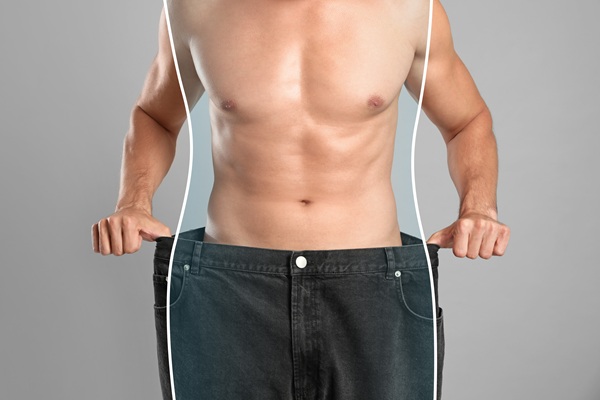
Non-surgical weight loss provides an effective approach for individuals seeking to lose weight, improve their health, and enhance their overall well-being without invasive procedures. Methods focus on creating sustainable lifestyle changes through personalized strategies like diet modification, exercise, and medically guided weight management plans. With professional guidance, patients can see significant results that support a healthier lifestyle while avoiding the risks associated with surgery.
Long-term benefits for non-surgical weight loss
Non-surgical weight loss not only aids in shedding pounds but also offers significant benefits that improve one's health and quality of life. According to a 2023 article published by StatPearls in the National Library of Medicine, losing weight reduces the risk of chronic diseases such as diabetes, heart disease, hypertension, and sleep apnea. It also improves energy levels, mobility, and possibly self-esteem.
Further, some patients who successfully lose weight with non-surgical methods may find it easier to keep the weight off. This is likely because they must redefine their relationship with food, understand their body, and work closely with medical professionals who alter treatment plans as the patient progresses, which ultimately can help them sustain their results.
A wellness center curates a weight loss plan.
One of the most important aspects of non-surgical weight loss is creating a personalized treatment plan during a consultation. During this consultation, patients will meet with their dedicated team of professionals. To design an effective plan, all will have varying focuses to determine body composition, current health conditions, and metabolism. Each plan can include medications, dietary changes, behavior modifications, and increased physical activity recommendations.
Medications
When people mention non-surgical weight loss at a wellness center, they normally refer to medications like prescription-strength appetite suppressants or metabolic boosters. These interventions can help patients manage hunger and maintain energy levels, making adhering to their weight loss plan easier. Six non-surgical weight loss medications are approved by the United States Food and Drug Administration, or FDA, namely: orlistat (Xenical, Alli), phentermine-topiramate (Qsymia), naltrexone-bupropion (Contrave), liraglutide (Saxenda), semaglutide (Wegovy), and tirzepatide (Zepbound)—for long-term use.
Though they are powerful enough to make some progress independently, medical professionals often pair them with dietary changes, exercise, and behavior modifications to maximize their effects. Further, patients benefit from regular follow-ups with their care team to adjust medications as needed.
Dietary changes
Diet changes are necessary to lose weight. According to MedicineNet, the best way to do so is to adopt the 80/20 rule, which states that weight loss is 80 percent food and 20 percent exercise. The wellness center will most likely recommend healthy food and drink options while also placing the patient on a caloric deficit—consuming a limited number of calories each day.
Further, it is not enough for patients to simply be told what to eat. They must understand each food or food group's impact on their bodies. Registered dietitians or nutritionists at wellness centers provide insight into how different foods affect the body's metabolism and energy levels. They can help patients understand the importance of proteins, fats, and carbohydrates in achieving balanced nutrition. Through ongoing sessions, patients can receive valuable guidance on making better choices, understanding portion sizes, and creating balanced meals.
Physical activity
As mentioned above, only 20 percent of a non-surgical weight loss plan belongs to shedding pounds. However, this can do wonders for improving how the body operates regarding blood flow and mobility. Increasing physical activity is also known to boost mood and reduce stress levels. Wellness centers offer strategic ways to incorporate fitness into patients' daily routines. They will tailor these plans to a patient's abilities, diet, and stage of their weight loss plan. A well-rounded plan may include walking, cycling, stretching, and the like.
Behavior modification
Adding medications and altering one's diet and physical activity levels are a great starting point. However, wellness centers want patients to sustain their results for many years to come. Therefore, they will help patients address the emotional and psychological factors commonly associated with weight gain. This can include helping patients identify triggers for overeating, manage stress, and develop strategies to make healthier choices consistently. Emotional eating, for instance, is a common obstacle that can hinder progress, but with professional support, patients can learn to respond to emotions in healthier ways.
Take control of your weight
Non-surgical weight loss provides a safe and effective path for individuals looking to achieve their health and wellness goals without invasive procedures. If you are ready to fully take control of your body, contact Las Vegas Medical Institute. Our team is on standby, ready to curate a plan that helps you see and maintain your weight loss goals.
Request an appointment here: https://www.Lasvegasmedicalinstitute.com or call Las Vegas Medical Institute at (725) 258-5864 for an appointment in our Las Vegas office.
Check out what others are saying about our services on Yelp: Non-Surgical Weight Loss in Las Vegas, NV.
Related Posts
The P-Shot, also known as the Priapus Shot, is one of the most discussed regenerative autologous treatments in men's sexual health today. It uses platelet rich plasma drawn from the patient's own blood to support sexual function, sexual performance, and overall vitality. For men dealing with erectile dysfunction or simply looking to maintain peak performance,…
Morpheus8 for arms is a minimally invasive treatment that combines microneedling with radiofrequency energy to tighten loose skin, improve skin texture, and support collagen production in the deeper layers of the skin. For patients bothered by crepey arm skin, mild sagging skin, or uneven texture, it offers a non surgical tightening option with minimal downtime…
Morpheus8 cost in Las Vegas typically runs $1,000–$5,000, depending on the treatment area, and the number of sessions. In plain terms: smaller zones (like under-eyes or targeted acne scars) sit closer to the low end, while larger body areas and more intensive settings push pricing toward the top.For most patients, the fastest way to budget…
Morpheus8 for buttocks is a minimally invasive RF microneedling treatment that can tighten loose skin, improve skin texture, and reduce cellulite-like dimpling by stimulating collagen production, especially when skin laxity is mild. It works by delivering radiofrequency energy through microneedles to heat deeper layers, which helps stimulate collagen production and support firmer skin over the…