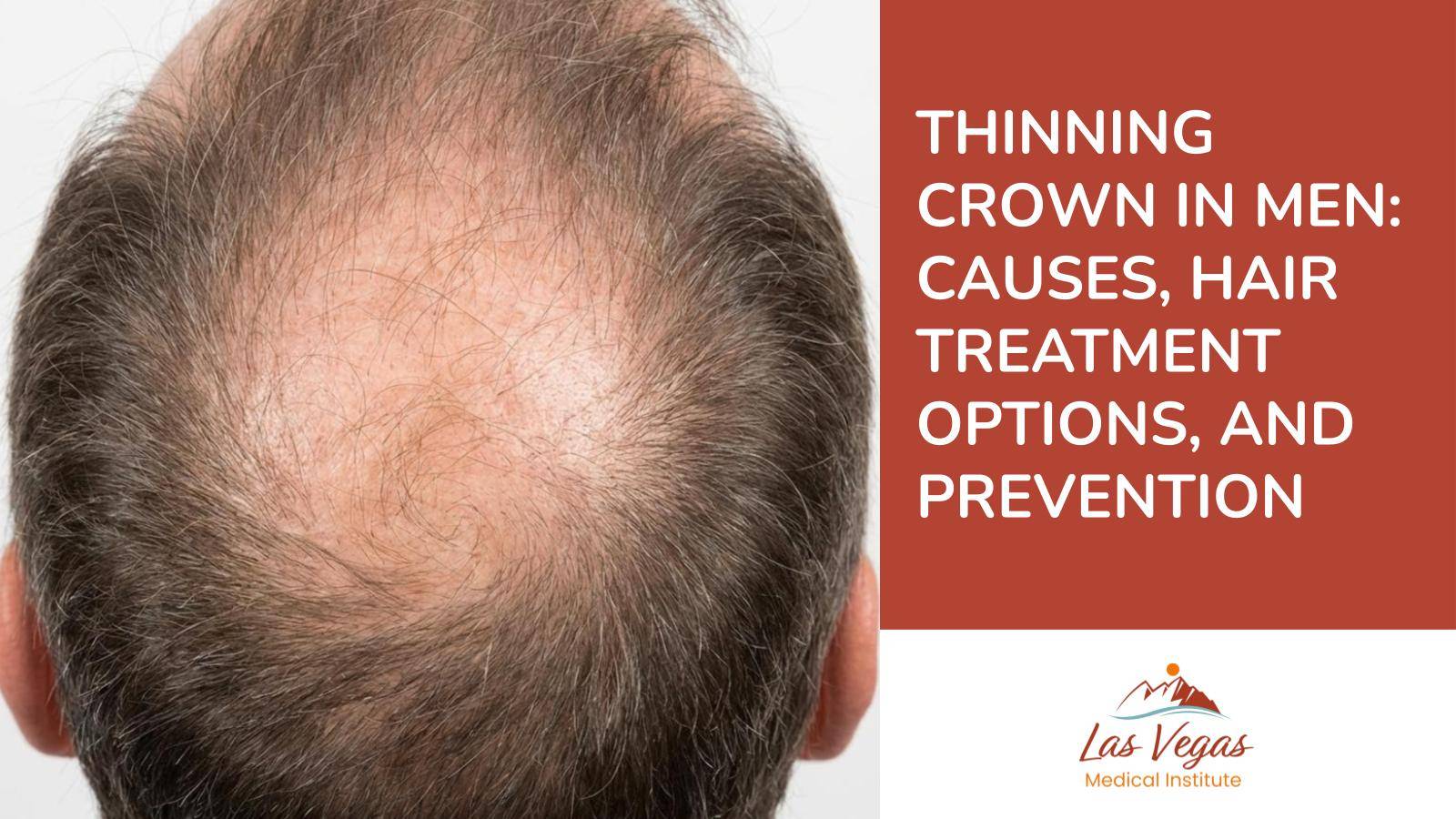
Thinning crown male hair loss is usually a sign of male pattern baldness, and in many cases it can be slowed, treated, or cosmetically improved. Most men with a thinning crown have androgenetic alopecia, where genetics and hormones gradually shrink hair follicles on the top-back of the scalp.
The most effective approach combines a proper diagnosis, early use of evidence‑based medical treatments, and, when appropriate, procedures such as hair transplant surgery or platelet rich plasma therapy in a clinical setting. Acting early can protect existing hair density, reduce further hair loss, and in some cases stimulate hair growth in thinning areas.
Starting evidence-based treatments like topical minoxidil and oral DHT-blocking medications early gives the best chance to slow crown thinning.
Specialists use scalp exams, blood tests, and sometimes imaging or biopsy to distinguish androgenetic alopecia from other conditions that can mimic a thinning crown.
Non-surgical options such as low-level laser therapy, microneedling, and targeted shampoos or supplements can support medical treatment.
When thinning crown male hair loss becomes advanced, hair transplant surgery, and high-quality hair systems can restore coverage or camouflage a bald spot.
Thinning crown male hair loss often creeps up slowly, so understanding early signs helps men seek treatment before a small problem turns into a large bald spot.
Early Signs You Might Be Losing Hair at the Crown
Early signs of crown hair loss can be subtle. Many men first notice it in photos taken from behind or when someone comments that the scalp looks more visible.
Typical early signs include a widening part, more scalp showing between individual hairs, and a softer, fluffier texture where hair used to feel dense. Some men see a "double crown" effect, where a ring of hair seems to thin between the two natural whorls at the back of the head.
These changes usually point to male pattern hair loss affecting hair follicles in the vertex area. Over time, those follicles produce thinner, shorter strands until the crown looks like a small bald spot. Catching this stage early gives medical treatments a better chance of promoting hair growth and slowing further hair loss.
How Crown Thinning Differs From a Receding Hairline
Crown thinning and a receding hairline are related but not identical patterns of male hair loss. The thinning crown targets the vertex, the top‑back of the scalp.
A receding hairline, by contrast, mainly affects the temples and frontal hairline. Men see the classic "M" shape form as hairline recession progresses. In many men with androgenetic alopecia, both the balding crown and hairline recession occur together over years.
Recognizing where hair is thinning helps a medical professional plan treatment options. Some therapies work best in early stages when hair density is reduced but not completely bald. Hair transplant surgery planning also depends on the exact pattern, including the relationship between the crown and frontal hairline.
Common Causes of Thinning Crown in Men
A thinning crown in men usually reflects a mix of genetic factors, hormone sensitivity, age, and health influences that affect hair follicles over time.
Male Pattern Baldness (Androgenetic Alopecia)
Male pattern baldness, also called androgenetic or androgenic alopecia, is by far the most common cause of crown thinning. It is strongly linked to family history on either side.
In this type of hair loss, follicles in specific scalp zones are genetically sensitive to DHT, a form of testosterone. DHT gradually miniaturizes those follicles, causing each new hair to grow thinner, shorter, and lighter.
On the crown, that miniaturization first shows as hair thinning and reduced hair density. Without treatment, the balding crown can expand and sometimes merge with a male receding hairline. This leads to advanced pattern hair loss and even complete baldness on top.
Hormones, Genetics, and Age-Related Factors
Hormonal changes and genetics explain why thinning crown male hair loss often starts in the late twenties or thirties. But, it can begin earlier or later depending on inherited sensitivity.
The most important hormone is DHT, which binds to receptors in susceptible follicles and shortens the growth phase of hair. Over time, these follicles can become almost inactive, leading to permanent hair loss in those regions.
Age contributes because follicles endure decades of hormonal exposure. By midlife, many men show signs of male pattern hair loss, especially at the crown and frontal hairline. Genetic factors determine who is more likely to lose hair and how quickly it progresses.
Lifestyle, Stress, and Nutritional Triggers
Lifestyle does not usually cause male pattern baldness by itself, but it can affect hair growth and make thinning more obvious. Chronic stress, crash dieting, or serious illness may trigger telogen effluvium, a shedding surge.
In telogen effluvium, more hairs than usual shift into the resting phase and fall out a few months later. This diffuse thinning can make an existing balding crown look worse, even if androgenetic alopecia remains the primary problem.
Poor nutrition, low iron, low vitamin D, and inadequate protein can also affect hair density. While improving diet will not reverse genetic pattern hair loss, it can support healthier new hair and make medical treatments more effective.
Medical Conditions and Medications That Can Contribute
Several medical conditions may contribute to crown hair loss or mimic male pattern hair loss. Thyroid disorders, autoimmune conditions affecting the immune system, and scalp infections can all alter normal shedding.
Patchy hair loss might signal alopecia areata, where the immune system attacks follicles. Some men also experience traction alopecia from tight styles that pull on the crown, though this is less common than at the hairline.
Certain medications, including some used for high blood pressure, mood disorders, and other chronic diseases, can affect hair growth as a side effect. Reviewing medical history with a doctor helps identify whether medication changes or additional treatment options are needed to protect more hair.
Getting a Proper Diagnosis
Because several types of hair loss can affect the crown, a structured medical evaluation is the safest way to choose the right treatment.
What to Expect During a Dermatology or Hair Clinic Visit
During an initial visit, the dermatologist or hair specialist first takes a detailed medical history. They ask about family hair loss, recent stress, illnesses, medications, and lifestyle changes.
Next, they examine the scalp closely, often using magnification to assess individual hairs and follicles. They look for patterns typical of male pattern hair loss, signs of inflammation, or patchy areas that suggest other conditions.
Men should be prepared to discuss how long they have noticed crown thinning, whether there are early signs at the hairline, and any associated symptoms. Honest answers help the clinician distinguish androgenetic alopecia from telogen effluvium, alopecia areata, traction alopecia, or a hair pulling disorder.
Scalp Exams, Blood Tests, and Imaging Tools
A careful scalp exam is central to diagnosis. Doctors may gently pull on small groups of hair to see how easily they shed and whether new hair is emerging.
Blood tests are often ordered to check for thyroid disorders, iron deficiency, vitamin D levels, and other markers that can affect hair growth. Addressing these problems can improve hair density, even when male pattern hair loss is also present.
Some clinics use imaging tools or digital dermoscopy to photograph the scalp and track hair loss treatments over time. In uncertain cases, a scalp biopsy can confirm the type of hair loss and rule out scarring conditions that lead to permanent hair loss.
Non-Surgical Treatments for a Thinning Crown
Evidence‑based non‑surgical hair loss treatments can slow crown thinning, protect existing hair, and sometimes stimulate hair regrowth when started early.
Topical and Oral Medications (Minoxidil, Finasteride, and Others)
Topical minoxidil is a cornerstone treatment for a thinning crown male pattern. It increases blood flow to follicles and can extend the growth phase of hair.
Men typically apply it directly to thinning areas of the scalp once or twice daily, as instructed by their doctor. Results are usually first noticeable after about four months, with fuller benefits at 9–12 months.
Oral medications such as finasteride, and sometimes dutasteride, work differently. They lower DHT levels, reducing the hormone's impact on susceptible follicles and helping to prevent further hair loss.
These medications require a prescription and monitoring for possible side effects. For many men, combining topical minoxidil with an oral DHT blocker provides more hair preservation than either treatment alone.
Low-Level Laser Therapy and Microneedling
Low level laser therapy (LLLT) in a medical office uses specific light wavelengths to stimulate hair follicles and improve cellular activity. Some studies show modest gains in hair density when used consistently.
In a clinic setting, LLLT is delivered through professional devices under supervision, often as part of a broader treatment plan. It is painless and usually has minimal downtime.
Microneedling is another in‑office procedure where fine needles create controlled micro‑injuries on the scalp. This can trigger healing pathways, increase blood flow, and enhance penetration of topical treatments like minoxidil.
Realistic Timelines and Expectations for Regrowth
Even the most effective treatment takes time. For crown thinning, initial shedding can occur when starting minoxidil or other therapies, as weaker hairs are shed first.
Most men need at least four to six months before seeing reduced shedding or slight improvements in hair density. Clear changes in a balding crown may take 9–12 months or longer.
Treat hair loss as a long‑term medical condition. Stopping treatment usually allows male pattern hair loss to resume. Setting realistic expectations helps men stay consistent and judge results fairly with the guidance of their doctor.
Daily Habits To Support a Fuller-Looking Crown
While habits cannot change genetic male pattern hair loss, they can support scalp health, help medical treatments work better, and improve the appearance of a thinning crown.
Nutrition, Scalp Care, and Gentle Styling Practices
Balanced nutrition supports every growing hair. Adequate protein, iron, zinc, vitamin D, and other micronutrients help follicles produce stronger strands and maintain hair density.
Men with persistent hair thinning should ask their doctor whether blood tests for deficiencies are appropriate. Correcting low iron or vitamin D can aid overall hair health and energy.
Hairstyle Tips and Products That Minimize the Appearance of Thinning
Strategic haircuts can make a balding crown less noticeable. Slightly shorter cuts often blend thinning areas more smoothly than long, wispy hair that separates and exposes the scalp.
Barbers familiar with thinning hair can adjust layering and direction of styling to follow the natural crown pattern. Products with light hold and matte finish can create the look of more hair without clumping.
Managing Stress and the Emotional Side of Hair Loss
Male hair loss, especially at a young age, can affect mental health and self‑image. Men may feel older than they are or worry about being judged.
Acknowledging those feelings is important. Discussing concerns with a partner, therapist, or support group can reduce anxiety and help them make clear decisions about treatment.
Stress management techniques such as regular exercise, good sleep, and mindfulness may also reduce stress‑related shedding like telogen effluvium. While they will not completely stop androgenetic alopecia, they improve overall well‑being.
Frequently Asked Questions About Thinning Crown in Men: Causes, Hair Treatment Options, and Prevention
What is thinning crown male hair loss and what usually causes it?
Thinning crown male hair loss most often refers to male pattern baldness (androgenetic alopecia) affecting the vertex, or top‑back of the scalp. Genetically sensitive follicles react to the hormone DHT, gradually shrinking and producing finer, shorter hairs until the crown looks sparse or develops a small bald spot.
How can I tell if my crown is starting to thin?
Early signs of crown thinning include seeing more scalp in photos taken from behind, a widening part, fluffier or less dense hair at the crown, and sometimes a “double crown” look between two whorls. If changes persist or worsen for more than three months, it’s wise to see a dermatologist.
What are the best treatments for thinning crown male hair loss?
Evidence‑based options include topical minoxidil, oral DHT‑blocking medications like finasteride, and in‑office therapies such as low level laser therapy, microneedling, PRP, and hair transplant surgery. Most men do best with a combination approach plus good scalp care, started early and continued long‑term under professional guidance.
When should I see a doctor about a thinning crown instead of self‑treating?
You should seek a dermatologist or hair clinic if thinning lasts longer than three months, accelerates quickly, appears in patches, or comes with redness, itching, burning, or sudden overall shedding. A proper diagnosis rules out thyroid issues, nutritional deficiencies, autoimmune conditions, or medication side effects that can mimic male pattern hair loss.
Can lifestyle changes or shampoo reverse thinning crown male hair loss?
Healthy habits and gentle shampoos support scalp health but usually can’t reverse genetic thinning crown male hair loss on their own. Improving nutrition, treating deficiencies, reducing stress, and avoiding harsh styling may enhance hair quality and help medical treatments work better, but they rarely stop DHT‑driven follicle miniaturization without specific hair loss therapies.
Is it ever too late to treat a balding crown with medical or surgical options?
Treatment works best when there are still miniaturized hairs at the crown. If an area is completely smooth and shiny for years, medications are unlikely to regrow hair, but hair transplant or scalp micropigmentation may still help. A hair restoration specialist can assess whether your crown has enough viable follicles for medical regrowth.
Conclusion and Summary of Thinning Crown in Men: Causes, Hair Treatment Options, and Prevention
Thinning crown male hair loss is extremely common, but it is not something men have to ignore or simply accept without understanding their choices.
Most cases stem from male pattern baldness driven by genetic factors and DHT, yet other types of hair loss and medical conditions can also affect hair growth on the crown. That is why a proper diagnosis from a dermatologist or hair clinic is the essential first step.
From topical minoxidil and oral DHT‑blocking medications to platelet rich plasma, low level laser therapy, and hair transplant surgery, there are multiple ways to treat hair loss and improve hair density. Cosmetic approaches like scalp micropigmentation and tailored hairstyles further reduce the visibility of a balding crown.
With realistic expectations, consistent treatment, and support for emotional well‑being, many men can slow further hair loss, protect remaining hair, and regain confidence in both their appearance and their future.
Ready to Restore Your Hair with Non-Surgical Hair Restoration in Las Vegas?
Thicker Hair. Natural Regrowth. No Downtime.
Unlike hair transplants that require invasive surgery, scarring, and weeks of recovery, our advanced platelet-rich plasma PRP hair restoration uses your body's own healing platelets to naturally stimulate hair follicles and regrow your hair. It's like waking up dormant follicles and giving them the growth factors they need to thrive again.
This isn't hiding under toupees or settling for temporary hair replacement systems. Our medical-grade hair restoration without surgery delivers concentrated growth factors directly into your scalp, targeting the root cause of thinning and triggering natural regrowth where you need it most.
Are You Experiencing These Common Hair Loss Problems?
Receding hairline that keeps moving back.
Thinning crown that’s becoming more visible.
Bald spots that won’t fill in.
Male pattern baldness affecting your confidence.
Female pattern baldness that’s getting worse.
Patchy hair loss in multiple areas.
Frontal hairline thinning and recession.
Sudden hair loss that appeared out of nowhere.
Experience Benefits You Can Actually FEEL:
Natural hair regrowth without surgery or scars.
Thicker, fuller hair that’s actually yours.
No more hiding under toupees or wigs.
Effective non-surgical hair restoration for men and women.
Minimally invasive with no downtime.
Safe, natural solution using your own blood platelets.
Real hair replacement from your own follicles.
And much more!
Why settle for temporary cover-ups or invasive transplants when you can regrow your own hair naturally? PRP hair restoration is trusted by men and women worldwide who've experienced real regrowth in areas they thought were gone forever. Many patients see visible improvements within months, with continued thickening over time.
At Las Vegas Medical Institute, we blend advanced PRP hair restoration technology with physician-led expertise for hair restoration results that restores your hair, appearance, and your confidence.
Ready to regrow your hair naturally? Schedule Your Hair Restoration Consultation here, or call us today at (702) 577-3174 and discover how non-surgical hair restoration is helping men and women across Las Vegas reclaim their full, healthy hair!
Cover Photo Illustration by: By Las Vegas Medical Institute.
How to fix receding hairline women often starts with diagnosing the cause, then combining medical treatments with lifestyle changes, and, in many cases, considering Platelet-Rich Plasma (PRP) injections. For many women experiencing hair loss along the temples or frontal hairline, PRP can stimulate hair follicles, improve hair thickness, and slow further hairline recession when started…
How to prevent male pattern baldness is less about stopping it completely and more about slowing it down and preserving as much hair as possible. Platelet-Rich Plasma (PRP) injections can't erase hereditary hair loss, but they can help stimulate hair growth, increase hair density, and reduce further hair loss in many patients with early male…
What causes bald spots is usually a mix of disrupted hair growth cycles and damage to hair follicles from genetics, autoimmunity, stress, infections, or physical trauma. In most people, bald spots or sudden hair thinning develop because the hair growth cycle is pushed off track, or inflammation destroys hair follicles so new hair cannot grow.…
Female pattern baldness in 30s usually appears as gradual hair thinning along the part line and crown, caused mainly by genetics and hormones, and it can be slowed and partly reversed with early treatment. In medical terms, this condition is called female pattern hair loss or androgenetic alopecia, and it affects the hair follicles by…