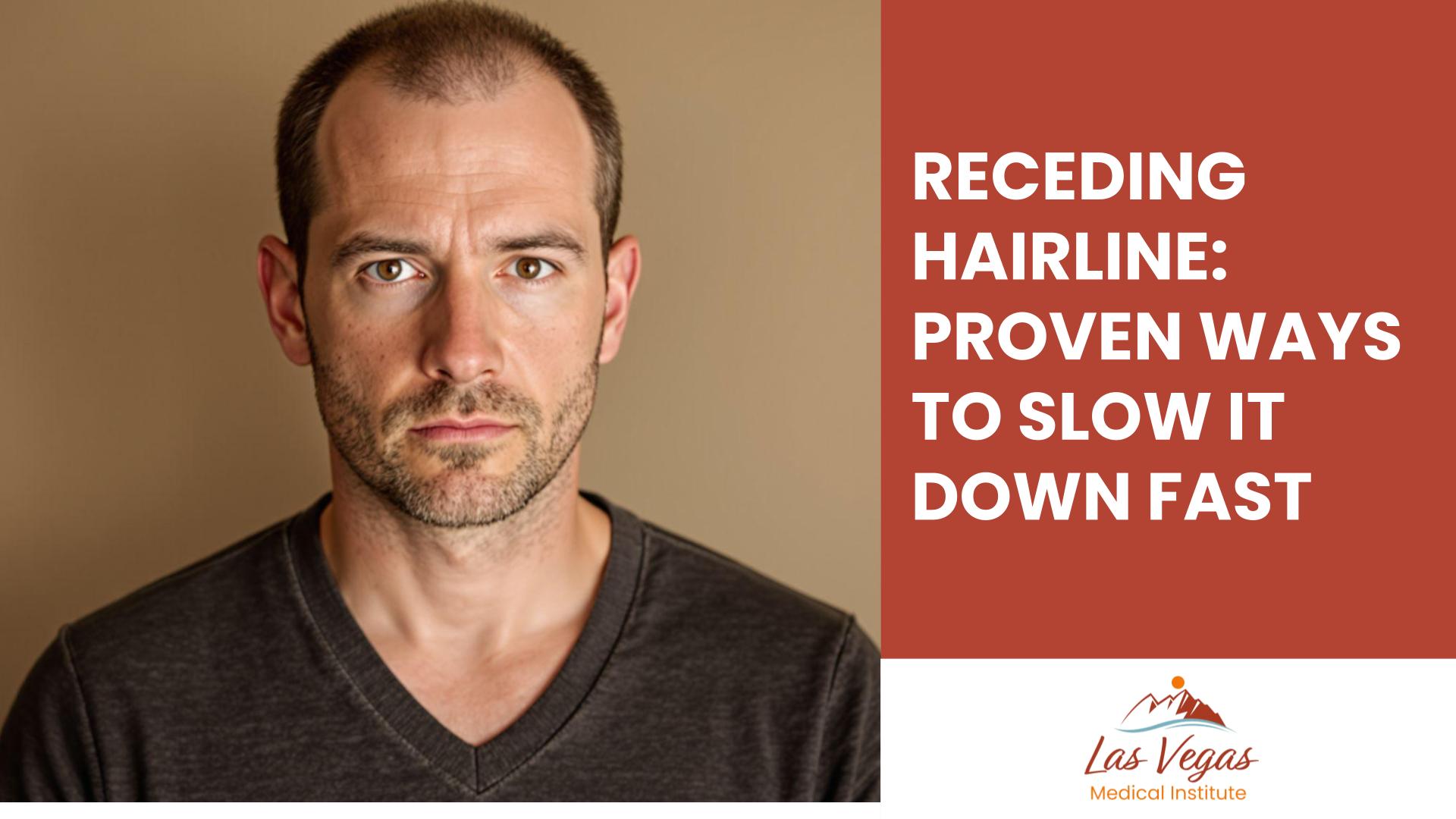
A receding hairline refers to the gradual loss of hair at the temples and forehead, often signaling the onset of male or female pattern hair loss. For most, a receding hairline is caused by genetic factors, hormonal changes like increased dihydrotestosterone (DHT), and certain lifestyle habits. Catching the early signs, such as thinning hair around the temples or an uneven hairline, allows for fast intervention: consider prescription medications, healthier lifestyle choices, and tweaks to hair care routines to slow further hair loss and support hair health efficiently.
Decades of clinical expertise and extensive research confirm that addressing the underlying causes promptly can help promote hair growth, prevent hairline recession, and even restore fuller hair in many cases. Clinics have seen meaningful improvements within 3–12 months with targeted treatments and proper care, which is why expert advice makes all the difference.
Key Takeaways of Receding Hairline
A receding hairline is primarily caused by genetics, hormonal changes, and certain lifestyle habits, early intervention can slow or reverse its progression.
Recognizing the first signs of a receding hairline, such as thinning at the temples or an uneven hairline, allows for timely treatment and better outcomes.
Proven receding hairline treatments include prescription medications, lifestyle adjustments, as well as platelet-rich plasma (PRP) injections.
Protecting scalp health, avoiding tight hairstyles, and managing stress are vital strategies for preventing further hairline recession.
Consulting a dermatologist or hair specialist at the first signs of rapid hair loss ensures access to the most effective, personalized receding hairline solutions.
What Causes a Receding Hairline?
The causes of a receding hairline are deeply rooted in genetics, hormone activity, and daily habits. If you have a family history of male pattern baldness or female pattern baldness, you're genetically predisposed to experience a receding hairline. Androgenetic alopecia is the clinical term for this hereditary form of hair loss and includes both male and female pattern hair loss.
Genetic and Hormonal Factors
Genetic predisposition remains the primary culprit. If you notice your hairline is receding and your parent or grandparent also had thinning hair, that family history is a strong predictor. Hormonal changes, specifically an increase in DHT, lead to smaller hair follicles, shorter hair growth cycles, and eventually less hair covering the scalp. That's why male pattern hair loss and female pattern hair loss often appear after puberty, when hormone levels shift.
Lifestyle and Environmental Contributors
Many overlook how much lifestyle impacts hair health. Chronic stress, poor nutrition, and habits like smoking or excessive use of harsh hair care products can accelerate hair thinning. Medical conditions such as thyroid disease, autoimmune issues (like alopecia areata or frontal fibrosing alopecia), and certain medications, especially hormone therapy or drugs for prostate cancer, also play roles. Overly tight hairstyles can traumatize scalp tissue and further encourage hairline recession.
Scalp and Overall Health
Scalp health matters. Fungal infections, poor hygiene, and even trauma to the scalp impede healthy hair growth. When hair follicles are inflamed or suffocated, losing hair becomes more likely, and thinning areas along the hairline tend to worsen without intervention.
Signs and Stages of a Receding Hairline
Everyone's hairline changes over time, but identifying the stages of a receding hairline helps in planning the right intervention.
Early Warning Signs
The earliest signs of a receding hairline include a subtle shift just above the temples, an uneven hairline or a widow's peak may become more pronounced. Some notice hair falling during brushing or washing, while others see more scalp around the forehead.
In females, hair thinning is often diffuse rather than concentrated, so widening parts and loss of density at the crown are initial signs. Unlike men, visible hair loss emerges gradually and rarely leads to complete recession at the temples.
Stages of Hairline Recession
Receding hairlines move through recognized stages:
Stage 2: A receding “M” shape appears, especially at the temples.
Stage 3: Noticeable gaps and thinning areas, sometimes showing scalp skin.
Stage 4: Advanced recession and pronounced bald spots along the hairline and crown.
For women, the Sinclair scale maps female pattern progression, from early minimal loss to more extensive thinning and visible bald spots. Recognizing the right stage means treatment can begin before further hair loss takes hold.
Prevention Strategies and Early Intervention
Early, consistent action to support hair health gives the best shot at preventing a receding hairline from progressing. Most experts recommend starting prevention at the first signs, even if those changes seem minor.
Nutritional and Lifestyle Adjustments
A balanced diet rich in vitamins, minerals, and protein supports healthy hair follicles. Foods high in iron, biotin, zinc, and vitamin D are critical for the hair growth cycle. Managing stress, through techniques like meditation and regular physical activity, reduces the risk of stress-induced hair loss and keeps hair growth patterns steady.
Protecting the Hair and Scalp
Avoiding tight hairstyles and heat styling preserves the integrity of scalp tissue. Looser styles and gentle brushing mean fewer broken or traumatized follicles, especially in those with a genetic predisposition. Scalp hygiene is also crucial. Regular cleansing, prompt treatment for infections, and a healthy scalp microenvironment all help stimulate hair growth and slow hairline recession. Cutting back on smoking and substance use provides a bonus in supporting hair regrowth and overall scalp health.
Treatment Options for a Receding Hairline
Several medical and procedural receding hairline treatments are available, and the best one depends on the stage and cause of hair loss.
Medical Treatments: Medications and Topicals
Prescription medications like oral finasteride and topical minoxidil are leading medical options. Finasteride helps block DHT production, targeting the hormonal root of male androgenic alopecia and often slowing further hair loss. Minoxidil is applied as a topical solution and proven to stimulate hair regrowth and promote hair density in both men and postmenopausal women who experience hair thinning. Sometimes, corticosteroid injections help with immune disorder-related loss like alopecia areata or frontal fibrosing alopecia.
Oral medication requires a prescription, and results can appear in as little as 3–6 months of consistent use. Patients should have a blood test to rule out underlying issues, such as thyroid disease, before starting treatment for visible hair loss.
Surgical and Cosmetic Procedures
For advanced hairline recession, hair restoration surgery, most often a hair transplant, offers natural looking results. In this procedure, healthy hair follicles are transplanted from other areas of the scalp to areas of thinning or bald spots. This option is especially suited for those with stable pattern hair loss, offering fuller hair and greater confidence.
Camouflage measures, strategic cutting, creative parting, and volumizing products, also help create the appearance of denser, healthier hair while medical or surgical treatments take effect.
Lifestyle Changes and Hair Care Tips
Optimizing hair care and daily routines can have a tangible impact on managing a receding hairline and supporting scalp health.
Daily Habits That Support Hair Health
Adopting a nutrient-dense, balanced diet is the foundation. Staying hydrated and keeping stress in check through exercise, yoga, or walking supports hair growth and counters the effects of stress-induced or telogen effluvium hair loss. Using a silk pillowcase or a wide-toothed comb can help reduce breakage, while regular scalp massages boost blood flow for healthier follicles and improved density.
Gentle Styling and Scalp Maintenance
Shampoo with sulfate-free formulas and avoid over-washing. Conditioning enhances softness and protects against breakage. Limit heat styling, and steer clear of tight ponytails or braids: looser styles put less strain on the existing hair, reducing the chances of a receding hairline growing worse from traction alopecia. Prioritize scalp hygiene, and treat itching or flakes quickly to preserve scalp tissue health.
Platelet-Rich Plasma Injections for a Receding Hairline
Platelet-rich plasma (PRP) injections have become a dependable option for people looking to restore density along a thinning hairline. During this treatment, a small blood sample is processed to concentrate platelets, growth factors, and healing components known to support follicle activity. When injected along areas of recession, PRP helps strengthen weakened follicles, extend the growth phase, and improve overall hair coverage. Many individuals choose PRP because it uses their own biology, offers minimal downtime, and pairs well with medication-based hair loss plans.
Most see gradual improvement over several months as follicles receive repeated stimulation. Early-stage thinning responds especially well, making PRP a strong choice for those who want to intervene before recession becomes advanced. When combined with good scalp care and lifestyle adjustments, PRP helps slow ongoing loss and encourages new growth. Regular sessions, typically spaced four to six weeks apart, help maintain momentum and support a healthier, fuller-looking hairline.
When to Consult a Specialist
Schedule an appointment if you notice rapid hairline recession, more hair shedding than usual, or patchy spots appearing suddenly. A blood test is perform to check for thyroid disease or other triggers, and provide a personalized treatment plan based on your hair loss pattern and medical history.
Don't delay consultation if at-home changes and over-the-counter solutions aren't helping. Early access treatments can make a real difference in managing further hair loss and improving the odds of hair regrowth. Many patients regain fuller, healthier hair when interventions are started promptly, so act as soon as signs of a receding hairline are noticed.
Frequently Asked Questions About Receding Hairline: Proven Ways to Slow It Down Fast
What causes a receding hairline?
A receding hairline is most commonly caused by genetics and hormonal changes, especially an increase in dihydrotestosterone (DHT). Other contributors include stress, poor nutrition, harsh hair care practices, medical conditions, and certain medications.
How can I slow down a receding hairline?
You can help slow a receding hairline by adopting a balanced diet rich in nutrients, reducing stress, and avoiding tight hairstyles. Also, practicing good scalp hygiene, and considering modern treatments like the PRP injections.
When should I see a specialist about my receding hairline?
Consult a dermatologist or trichologist if you notice rapid hairline recession, excessive shedding, or patchy bald spots. Early professional intervention offers the best chance for slowing hair loss and supporting regrowth.
Can women experience a receding hairline too?
Yes, women can experience hairline thinning, though it's often more diffuse and less dramatic than in men. Female pattern hair loss typically starts as widening parts and loss of density at the crown, and can be managed with targeted treatments.
Is a receding hairline reversible?
While complete reversal is challenging, early and targeted intervention can slow, stop, or in some cases partially reverse a receding hairline. Success varies based on genetics, timing, and the chosen treatment plan.
Conclusion and Summary of Receding Hairline: Proven Ways to Slow It Down Fast
A receding hairline is often the result of a mix of genetics, hormonal influences, and lifestyle habits, but it's not an impossible battle. Early recognition and swift intervention remain the keys, whether through medical treatment, lifestyle tweaks, or surgical hair restoration. Understanding what causes a receding hairline gives you a strategic advantage, letting you work with professionals to select the most effective approach for your unique pattern hair loss.
The journey to healthier hair is rarely one-size-fits-all, yet with proven strategies and prompt medical guidance, visible improvement is within reach. The sooner you respond, the stronger your results, helping you reclaim both your confidence and the natural frame of your face.
Ready to Restore Your Hair with Non-Surgical Hair Restoration in Las Vegas?
Thicker Hair. Natural Regrowth. No Downtime.
Unlike hair transplants that require invasive surgery, scarring, and weeks of recovery, our advanced platelet-rich plasma PRP hair restoration uses your body's own healing platelets to naturally stimulate hair follicles and regrow your hair. It's like waking up dormant follicles and giving them the growth factors they need to thrive again.
This isn't hiding under toupees or settling for temporary hair replacement systems. Our medical-grade hair restoration without surgery delivers concentrated growth factors directly into your scalp, targeting the root cause of thinning and triggering natural regrowth where you need it most.
Are You Experiencing These Common Hair Loss Problems?
Receding hairline that keeps moving back.
Thinning crown that’s becoming more visible.
Bald spots that won’t fill in.
Male pattern baldness affecting your confidence.
Female pattern baldness that’s getting worse.
Patchy hair loss in multiple areas.
Frontal hairline thinning and recession.
Sudden hair loss that appeared out of nowhere.
Experience Benefits You Can Actually FEEL:
Natural hair regrowth without surgery or scars.
Thicker, fuller hair that’s actually yours.
No more hiding under toupees or wigs.
Effective non-surgical hair restoration for men and women.
Minimally invasive with no downtime.
Safe, natural solution using your own blood platelets.
Real hair replacement from your own follicles.
And much more!
Why settle for temporary cover-ups or invasive transplants when you can regrow your own hair naturally? PRP hair restoration is trusted by men and women worldwide who've experienced real regrowth in areas they thought were gone forever. Many patients see visible improvements within months, with continued thickening over time.
At Las Vegas Medical Institute, we blend advanced PRP hair restoration technology with physician-led expertise for hair restoration results that restores your hair, appearance, and your confidence.
Ready to regrow your hair naturally? Schedule Your Hair Restoration Consultation here, or call us today at (702) 577-3174 and discover how non-surgical hair restoration is helping men and women across Las Vegas reclaim their full, healthy hair!
Cover Photo Illustration by: By Las Vegas Medical Institute.
Las Vegas Medical Institute earns top honors in the 2026 Best of Beauty awards, solidifying its reputation as a premier destination for regenerative medicine in Las Vegas.Las Vegas Medical Institute (LVMI) has been named "Best Regenerative Medicine" by Modern Luxury Vegas Magazine as part of its highly anticipated 2026 Best of Beauty awards. The distinction…
Morpheus8 for acne scars is considered highly effective because it combines microneedling and radiofrequency (RF) energy to remodel scarred skin from the deeper layers up. It improves the appearance of acne scars by about 40–70% across common scar types when done in a medical office setting. It works by using tiny needles to deliver controlled…
Morpheus8 neck before and after results typically look like a smoother, firmer neck with softer neck lines and a more contoured transition from the lower face to the neck, without surgery. Morpheus8 is a radiofrequency microneedling treatment designed to trigger deeper collagen production, so the skin gradually tightens as collagen remodeling builds over weeks and…
A Morpheus8 face treatment is a minimally invasive radiofrequency microneedling procedure that tightens, smooths, and refreshes facial skin by delivering RF energy through tiny needles to kick-start new collagen production in the deeper layers. In practical terms, it helps improve skin laxity, soften fine lines wrinkles, refine skin texture, and reduce the look of acne…