Morpheus8 thighs treatments can improve loose skin, crepey texture, mild cellulite, and overall skin tightening by delivering radiofrequency energy through tiny needles into deeper layers of skin to stimulate collagen production. In practical terms, most patients see firmer skin, smoother skin texture, and a more refined thigh contour after a short series, usually 3–4 sessions, rather than a single, dramatic "one-and-done" change.
The key is matching the treatment area and settings to the real skin concerns: skin laxity after weight loss, uneven skin tone from sun exposure, or stretch marks that need collagen stimulation. Clinics also time results properly, because natural collagen production takes months, not days.
Optimal results typically require 3–4 treatment sessions spaced weeks apart, with visible improvements evolving over 3–6 months post-treatment.
This treatment addresses mild to moderate skin laxity and texture issues but is not suitable for significant fat reduction or severe skin sagging.
Combining Morpheus8 with other therapies can enhance results for cellulite and pigmentation, but careful planning and proper aftercare are crucial.
Candidates with realistic expectations and stable skin conditions benefit most, while pregnancy, unstable weight, or certain health issues may require delaying treatment.
What Morpheus8 Does For Thigh Skin (And What It Can’t Do)
Morpheus8 for thighs is a minimally invasive radiofrequency microneedling approach designed to tighten skin, improve skin texture, and support skin rejuvenation by triggering the body's natural healing process in deeper layers.
How Radiofrequency Microneedling Targets Laxity, Texture, And Cellulite
Morpheus8 uses tiny needles to deliver RF energy (radiofrequency energy) beneath the surface. That heat targets deeper layers of skin and can also reach adipose tissue, depending on depth and settings. The goal is collagen stimulation and elastin production, which supports better skin elasticity and skin firmness over time.
On thighs, this often shows up as tissue tightening in areas that tend to "crinkle" or look crepey. Morpheus 8 can refine skin quality by helping certain skin imperfections look less obvious, including rough patches, enlarged-looking pores, and some acne scars that extend beyond the face.
Cellulite is more complicated, because it involves fibrous bands, fat cells, and skin laxity together. Morpheus8 may improve the look of cellulite by tightening the skin envelope and smoothing skin texture. It does not "cure" cellulite, and it is not primarily a fat reduction device, even though some protocols may influence superficial fat cells.
Morpheus8 Thigh Results: Before-And-After Changes You Can Realistically Expect
Realistic Morpheus8 treatment benefits on the thighs look like gradual improvement in skin tightening and smoother texture, not an overnight transformation. Before-and-after changes usually build across a series and continue as collagen continues remodeling.
Skin Tightening And Crepey Skin Improvement
For many patients, the clearest win is tighter skin and better skin firmness where crepey texture makes the thighs look older than the rest of the body. As collagen production increases and elastin production improves, the surface often looks less "paper-thin," especially in the inner thighs.
In practice, clinicians see the best response in mild to moderate skin laxity. When the skin is extremely saggy skin with heavy folds, the tightening effect can still help skin quality, but it may not replace surgical procedures.
The change is often described as a "snap-back" effect rather than a lift. Patients describe clothing fitting a bit better and the thighs looking smoother under bright lighting, which is where crepey skin and skin imperfections tend to stand out.
Cellulite Smoothing And Texture Refinement
Cellulite improvement is typically subtle but meaningful. The goal is less bumpy texture and a more uniform skin texture, especially on the back and outer thigh where dimpling can be most noticeable.
Because Morpheus8 can target deeper layers, providers may choose settings aimed at tissue tightening and collagen stimulation rather than just superficial resurfacing. When it works well, the skin looks less puckered, and the "transition zone" near the glute fold can look softer.
It is important to set expectations: cellulite is structural. Morpheus8 can tighten skin and refine skin texture, but it does not fully release every fibrous band. Some clinics combine it with body rejuvenation or body contouring plans when cellulite is the top complaint.
Stretch Marks, Scars, And Pigmentation: What Changes
Morpheus8 for stretch marks often improve most in texture rather than color. With repeated collagen stimulation, many patients see stretch marks look smoother and slightly narrower, because the surrounding skin becomes firmer and more even.
Scars can improve too, depending on depth. Shallow acne scars or textural scarring on thighs may soften as the treatment triggers the body's natural healing process. Deep, tethered scars usually change less, and patients should be told that up front.
Treatment Plan And Results Timeline
A good Morpheus8 thighs outcome usually depends less on a single session and more on a personalized treatment plan that matches depth, coverage, and spacing to the treatment area. Thigh skin often needs patience because collagen remodeling is slow.
How Many Sessions Most People Need
Most patients need 3–4 sessions for the thighs, commonly spaced several weeks apart. Thighs often take more sessions than smaller areas because the surface area is larger and the degree of skin laxity can be higher, especially after weight loss.
Providers also have to balance comfort and coverage. Treating the full inner thighs and outer thighs thoroughly can be time-intensive. A session commonly runs about 30–60 minutes depending on how much of the thigh contouring zone is included.
When You’ll See Early vs. Final Results
Early changes can appear within days to a couple of weeks. This is often mild tightening from swelling resolution and early tissue response. It is real, but it is not the main event.
Final results usually take 3–6 months after the series, because natural collagen production takes time. Collagen continues to reorganize in deeper layers, and that is when patients typically notice firmer skin, smoother skin texture, and better overall skin quality.
How Long Results Last And What Maintenance Looks Like
Results can last months to years, depending on aging, sun exposure, weight stability, and baseline skin laxity. Skin tightening is not permanent in the sense that time stops, but collagen remodeling can create a longer runway of improved skin firmness.
Maintenance treatments are common. Many clinics suggest an annual or periodic touch-up, especially if the patient's goal is keeping youthful skin and preventing the return of crepey texture.
What A Thigh Session Is Like: Settings, Comfort, And Downtime
In a medical office setting, a Morpheus8 treatment for thighs is usually straightforward: an initial consultation, numbing cream, treatment passes over the target zones, and clear aftercare instructions. The details that matter most are depth, energy, and downtime planning.
Depth, Energy, And Pulse Choices For Inner vs. Outer Thigh
Providers choose needle depth and RF energy based on tissue thickness and the specific skin concerns. Inner thighs often need a different approach than outer thighs because the skin can be thinner and more prone to visible swelling.
For the outer thighs, clinicians may target deeper layers for tissue tightening where adipose tissue is thicker. This can help with skin laxity and some cellulite-related texture. For inner thighs, they may use shallower penetration to improve skin texture while reducing the risk of excessive irritation.
Pain Management Options And What “Tolerable” Usually Means
Most offices use topical numbing cream and allow enough time for it to work. With proper numbing, patients often report mild pressure and heat, with sharper sensations in bony or thinner areas.
"Tolerable" usually means the patient can get through the session without needing breaks every few seconds, but it is not a spa facial. Comfort varies with settings, skin type, and anxiety level.
Clinics sometimes adjust energy or do staged coverage for sensitive patients. Clear communication helps, especially during passes over the inner thighs where sensation may feel more intense.
Downtime By Day: Swelling, Grid Marks, Bruising, And Activity Limits
Day 0 to day 3 often includes redness and swelling. Small grid marks from the needle pattern can be visible, especially on fair skin. Bruising can occur, particularly if the patient bruises easily or is treating a larger treatment area.
By about one week, most visible marks have faded. Some people still feel mild tenderness when rubbing the area or during workouts, but it typically improves as the healing process progresses.
Providers usually advise minimal downtime planning: avoid intense exercise for a short window, skip saunas and hot tubs, and focus on avoiding sun exposure. Sun exposure can increase the risk of pigment issues, especially in patients prone to hyperpigmentation.
Who’s A Good Candidate (And Who Should Skip Or Delay)
The best candidates for Morpheus8 thighs treatments are those with realistic expectations and mild to moderate skin laxity who want skin tightening without surgery. A careful review of medical history and skin conditions should guide timing and settings.
Best Skin Types, Ages, And Degrees Of Laxity For Noticeable Improvement
Many good candidates are in their 30s to 50s with early sagging skin, crepey skin, or post-weight-loss laxity that is not severe. They often want firmer skin and improved skin texture rather than a dramatic lift.
Skin type matters less for whether collagen stimulation occurs and more for how the skin reacts afterward. A provider should tailor energy, depth, and coverage so the skin can heal predictably.
Patients with good baseline skin elasticity often see a more noticeable tightening effect. When elasticity is very low, the treatment can still improve skin quality, but expectations should be adjusted.
When Pregnancy, Weight Changes, Or Health Conditions Affect Timing
Pregnancy is a common reason to delay. Hormonal shifts and future stretching can undermine results, and most offices avoid elective energy-based treatments during pregnancy.
Unstable weight is another issue. If someone is actively losing weight, new loose skin can appear after the series, which can be discouraging. Many clinicians recommend reaching a stable weight first, especially when weight loss is the main driver of skin laxity.
Health conditions and medications also affect planning. During the initial consultation, the provider should review anything that affects healing, bruising, or infection risk, and then build a safer personalized treatment plan.
Skin Tone Considerations: Hyperpigmentation Risk And How It’s Managed
For darker skin tones, the main consideration is post-inflammatory hyperpigmentation risk. That does not mean Morpheus8 is off-limits. It means technique and aftercare have to be tighter.
Providers may use conservative settings, avoid excessive passes, and emphasize strict avoiding sun exposure before and after treatment. They may also recommend a gentle skin care routine that supports barrier treatment recovery.
Frequently Asked Questions About Morpheus8 for Thighs: What Results Can You Expect?
What results can I expect from Morpheus8 treatments for thighs?
Most patients see firmer, tighter skin with a smoother texture and improved thigh contour after 3 to 4 sessions. Morpheus8 results build gradually over 3 to 6 months as collagen remodels, reducing crepey skin and mild cellulite appearance.
How does Morpheus8 improve skin laxity and cellulite on the thighs?
Morpheus8 delivers radiofrequency energy through tiny needles to stimulate collagen and elastin production in deeper skin layers, tightening loose skin and smoothing texture. It improves mild to moderate cellulite by firming the skin but does not completely remove fibrous bands or fat deposits.
Who is the ideal candidate for Morpheus8 thigh treatments?
Ideal candidates are individuals in their 30s to 50s with mild to moderate skin laxity and texture concerns, stable weight, and realistic expectations. Those who are pregnant, actively losing weight, or have recently tanned skin should delay treatment for safety and better outcomes.
Is Morpheus8 worth it for cellulite in the thighs?
Morpheus8 can be worth it for thigh cellulite if your goal is smoother skin and mild to moderate improvement, not a complete removal. Clinical studies show it can improve cellulite appearance by tightening skin and stimulating collagen, with some reports showing about 25–70% improvement after multiple sessions. It works best when cellulite is paired with skin laxity, but results vary and usually require a series of treatments plus maintenance.
Conclusion and Summary of Morpheus8 for Thighs: What Results Can You Expect?
Morpheus8 for thighs can be a high-payoff option for patients who want measurable skin tightening, smoother skin texture, and subtle cellulite softening without committing to invasive procedures. The best outcomes tend to come from treating the right level of skin laxity, using settings that target deeper layers, and giving collagen production time to build.
What most people miss is the timeline. Early changes can show up quickly, but the real shift happens as collagen continues remodeling over months. A thorough initial consultation, realistic goals, and disciplined post treatment care usually matter as much as the device itself.
For anyone considering Morpheus8 thighs treatment, the next step is simple: schedule an in-office evaluation so the provider can assess skin type, laxity, and the treatment area, then map a plan that matches the desired outcome.
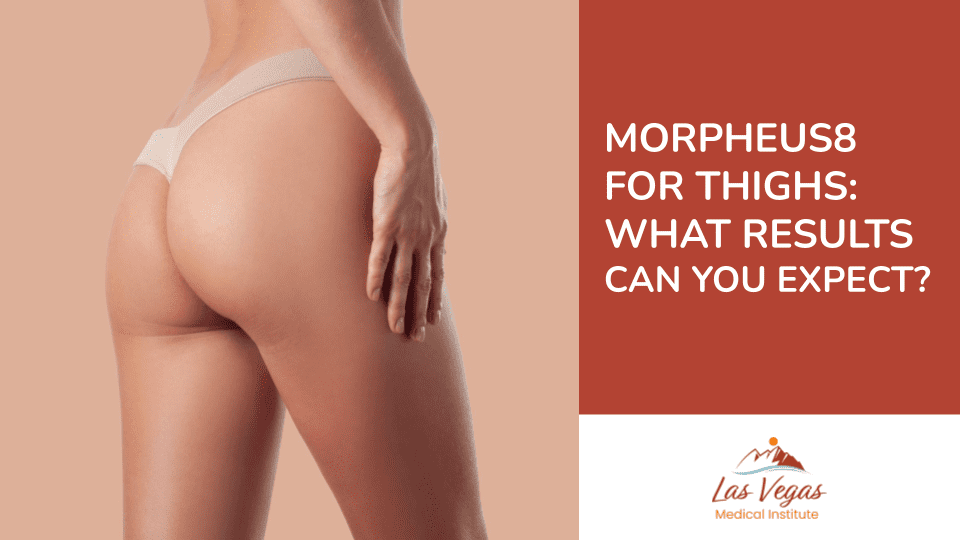
Cover Image Credit: Flisakd / 123RF.com (Licensed). Photo Illustration by: By Las Vegas Medical Institute.
Is Morpheus8 painful? For most patients, Morpheus8 feels like mild to moderate discomfort, not extreme pain, especially when a topical numbing cream is used. In-office, the sensation is usually described as pressure plus brief "zaps" of heat from RF microneedling, often landing around a 3–7/10 pain level depending on the treatment area, device settings, and…
Thermage vs Morpheus8 comes down to how each skin tightening treatment creates change. Thermage uses monopolar radiofrequency energy to heat deeper layers for global tightening, while Morpheus8 pairs RF energy with tiny needles to remodel the skin's surface and deeper skin layers for tighter skin and smoother skin.The right choice depends on whether the main…
Morpheus8 acne scars before and after results are real, but they're usually best described as visible texture improvement, not "perfectly poreless" skin overnight. In a medical office setting, Morpheus8 treatment uses microneedling with radiofrequency (RF) energy to remodel scar tissue, stimulate collagen production, and gradually smooth uneven texture so acne scars look shallower and skin…
The top Morpheus8 benefits come from pairing microneedling with radiofrequency heat to stimulate collagen production and tighten skin from the surface down into deeper support layers. In a medical office setting, it's most often chosen to improve acne scars, uneven texture, early lines, and mild sagging skin, plus select body concerns like crepey skin and…