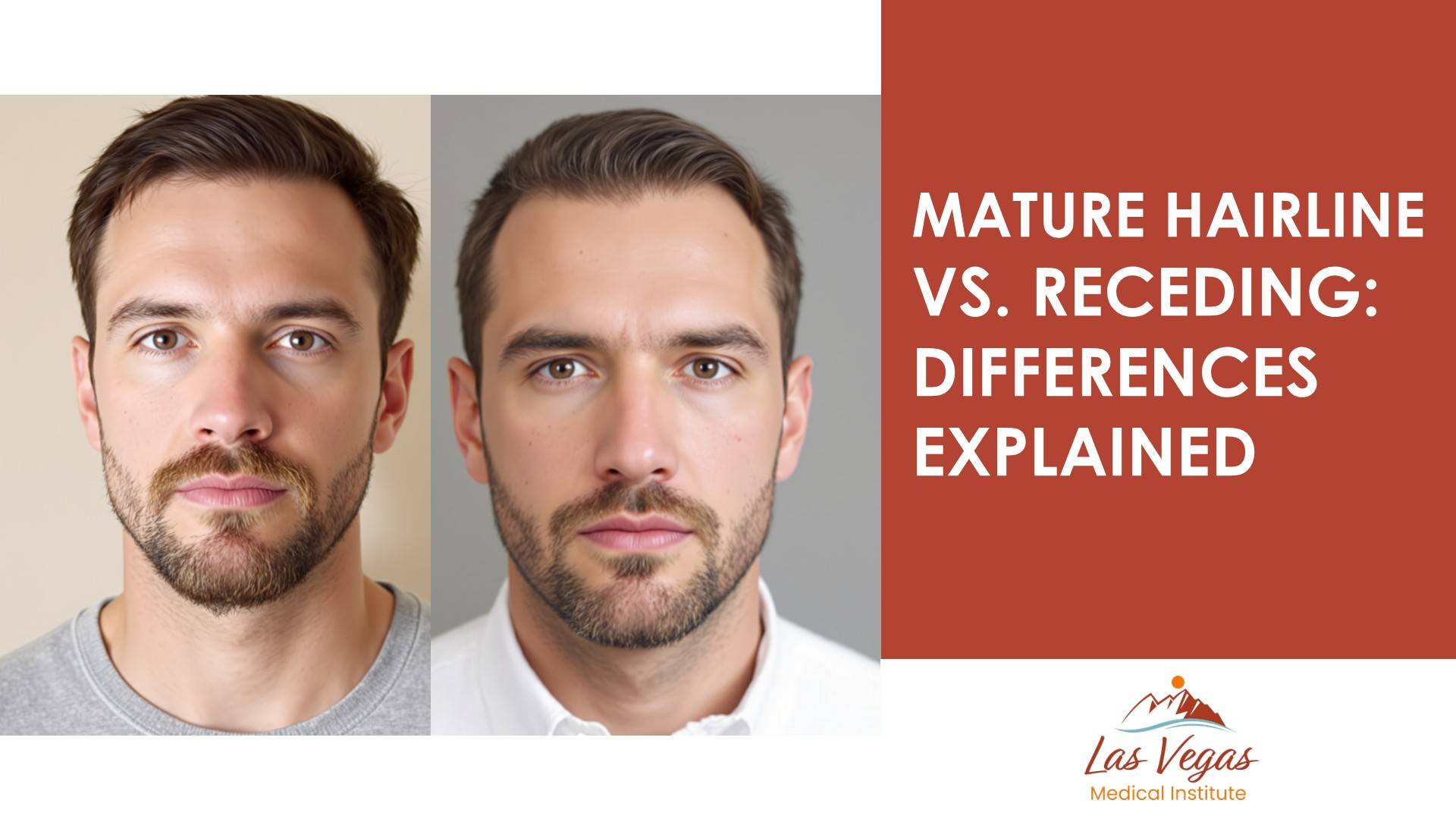
Wondering about the difference between a mature hairline vs receding? If you've noticed your hairline shifting, you're not alone, and understanding whether your hairline is simply maturing or truly receding is crucial for healthy hair confidence. A mature hairline is a natural part of aging, moving just slightly from the teenage line, while a receding hairline signals progressive hair loss that may lead to further thinning and even baldness.
Here's what really matters: a mature hairline typically stabilizes after shifting back 0.5–2 cm, stays relatively even, and doesn't cause significant hair density loss. In contrast, a receding hairline moves well past that point, usually unevenly, especially at the temples or crown, and often comes with thinning or shedding.
With years analyzing hair restoration cases and seeing firsthand the impact of early interventions, this guide distills the clearest, evidence-based signs to help you tell mature and receding hairlines apart.
Key Takeaways of Mature Hairline vs. Receding
A mature hairline is a normal sign of aging, typically moving 0.5–2 cm and stabilizing with no significant thinning or shedding.
A receding hairline extends farther back, often unevenly at the temples, with increased thinning and a higher risk for male pattern baldness.
Key differences between mature hairline vs receding include progression, hair density loss, and unevenness, especially at the temples or crown.
Healthy lifestyle habits and prompt intervention can maintain hair density and expand your hair restoration options.
What Is a Mature Hairline?
A mature hairline is a normal, age-related change that often starts to appear in the late teens to early 30s. Instead of staying at the juvenile position you had as a child, the hairline moves up slightly, usually by half an inch to three-quarters of an inch (about 0.5–2 cm).
Natural Aging and Hairline Maturing
For most people, hairline maturing happens gradually as part of the natural aging process. The new hairline usually settles into a gentle, even arc or a subtle widow's peak and doesn't keep moving back year after year. Most importantly, healthy hair follicles continue supporting normal hair density and thickness. If you're in your late teens or twenties and see your hairline shifting just a bit higher but not thinning dramatically, this is to be expected.
Key Characteristics of a Mature Hairline
The hairline stabilizes after shifting slightly back.
Shape tends to be symmetrical with a soft V or gentleman’s hairline.
No dramatic temple recession or crown thinning involved.
Hair density and healthy hair remain largely intact, with no signs of excessive hair shedding.
Think of it this way: a mature hairline is the adult version of your childhood hairline, not a warning sign of serious hair loss.
What Is a Receding Hairline?
A receding hairline looks similar at first but has key differences tied to progressive hair loss. Unlike a mature hairline, the hair doesn't stabilize, it continues to move backward, often unevenly. Most commonly, a receding hairline affects the temples, leaving a pronounced M-shaped or widow's peak pattern.
Hallmarks of a Receding Hairline
The distance from your original hairline is usually more than 2 cm.
The hairline is uneven, with marked temple recession and often miniaturized, thinner hair at the front.
Shedding increases, and new hair growth slows.
Progressive thinning can spread toward the crown, a classic sign of male pattern baldness (androgenetic alopecia).
Receding hairlines happen mostly due to genetic factors, specifically androgenic alopecia, and are not simply part of the natural aging process. If you notice your entire hairline receding over a short period, especially with hair thinning at the temples or crown, it's a red flag for further hair loss.
Key Differences Between a Mature Hairline and a Receding Hairline
While both scenarios involve some movement of your hairline, telling the difference comes down to clear patterns, density changes, and progression over time.
Physical Signs to Observe
The mature hairline typically moves up about 0.5–2 cm and stays there. It remains symmetrical, and the density of hair along the front and temples is preserved. Hairs are thick, healthy, and the shift in hairline is gradual and stabilizes.
Contrast that with a receding hairline: here, the hairline moves well beyond 2 cm from its juvenile position, often in an uneven manner. A deepening widow's peak or pronounced M-shaped hairline becomes clear, and the recession is most obvious at the temples, these are early signs of male pattern baldness.
Hair density along the receding line drops noticeably. If you look closely, you'll see miniaturized hairs along the front and sides. There may also be increased thinning or shedding around both the temples and the crown. Progressive thinning and more significant hair loss over six to twelve months is typical. Tracking with regular photos every few months can reveal if the change is stable (mature) or ongoing (receding).
Common Causes and Risk Factors
Why do mature hairlines and receding hairlines happen at all? In most people, a mature hairline is driven by normal hormonal changes as you age, plus your genetic blueprint. It's nothing to worry about, as long as the shift stabilizes and there's no ongoing thinning or shedding.
A receding hairline, on the other hand, is heavily influenced by hereditary conditions like androgenetic alopecia (male or female pattern baldness). If family members experienced significant hair loss or early-onset baldness, your risk is higher.
Other factors include chronic stress, health issues, tight hairstyles (traction alopecia), poor blood flow to hair follicles, hormonal changes, and lifestyle factors like poor diet or sudden weight loss. In some cases, medical treatments or conditions may accelerate hairline changes. For women, frontal fibrosing alopecia can also cause recession, though it's much less common than androgenetic alopecia.
Consulting a hair restoration specialist or dermatologist can help clarify if your changes fit the classic male pattern hair loss or if another cause is at play.
When to Be Concerned: Signs of Hair Loss Progression
It's completely normal to have some movement in your hairline as you mature, but certain changes should be watched closely. If you notice rapid hairline receding, significant asymmetry, or excessive shedding, it's time to pay attention.
Further warning signs for progressive hair loss and pattern baldness include:
Hairline moving more than 2 cm from its original position
Sudden or patchy thinning along the temples or crown
Formation of a deep M-shaped or uneven hairline
Decreased density and visible miniaturization in the front
Noticing new areas of hair thinning or shedding that persist for more than three to six months may indicate the early stages of androgenetic alopecia or another type of hair loss. Early intervention is crucial, most effective hair loss treatments and hair restoration options work best when started during these stages. A hair restoration specialist can evaluate the pattern and recommend oral finasteride, other medical treatments, or even discuss hair transplants if appropriate.
Tips for Managing and Monitoring Your Hairline
Keeping an eye on subtle hair changes helps catch any issues early. Simple but consistent monitoring goes a long way in preserving a healthy hairline.
Take regular photos: Use the same angle and lighting to document your hairline every 3–6 months. This makes it much easier to compare and spot changes over time, both for you and any hair loss specialist you consult.
Review family history: Knowing whether there’s a pattern of hair loss or complete baldness among close relatives can help predict your risk for progressive hair loss.
Prioritize hair health: Eat a balanced diet rich in nutrients for healthy hair follicles, avoid overly tight hairstyles, and manage stress well.
See a specialist early: If you notice persistent thinning, uneven receding, or shed more than usual, book a consultation with a dermatologist or a hair restoration surgeon. Starting hair loss treatments or considering solutions like FUE hair transplant is easiest while hair density is still relatively high.
Your hair restoration journey is individual. With proactive steps, you can maintain hair density and slow any further hair loss, often without the need for surgery. For many, catching hairline changes early means more hair restoration treatment options and better results.
Frequently Asked Questions About Mature Hairline vs. Receding: Differences Explained
What is the difference between a mature hairline vs receding hairline?
A mature hairline shifts back slightly (about 0.5–2 cm) and then stabilizes without significant thinning. In contrast, a receding hairline continues to move back unevenly, often with notable temple recession and thinning, indicating ongoing hair loss.
How can I tell if my hairline is maturing or receding?
You likely have a mature hairline if the shift is gradual, symmetrical, and stops after 0.5–2 cm. A receding hairline typically moves further back, is uneven (especially at the temples or crown), and is often accompanied by thinning or excessive shedding.
What causes a hairline to recede rather than just mature?
A receding hairline is mostly caused by genetics, particularly androgenetic alopecia (pattern baldness). Other risk factors include chronic stress, health conditions, tight hairstyles, hormonal changes, and sudden weight loss.
Can a mature hairline turn into a receding hairline over time?
Yes, a mature hairline can progress to a receding hairline if factors such as genetics or health issues come into play. Monitoring changes and consulting a specialist early can help slow or prevent further recession.
What are the best ways to manage a receding hairline?
Managing a receding hairline involves regular self-monitoring, eating a nutritious diet, reducing stress, and avoiding tight hairstyles. Early consultation with a expert can provide access to treatments or hair restoration procedures.
When should I see a doctor about my hairline changes?
Consult a hair loss specialist if you notice your hairline moving back more than 2 cm, marked thinning at the temples or crown, a deep M-shaped pattern, or excessive hair shedding. Early intervention ensures better treatment options and outcomes.
Conclusion and Summary of Mature Hairline vs. Receding: Differences Explained
Understanding mature hairline vs receding patterns can be empowering, especially as you navigate hairline changes and consider when to seek help. Most mature hairlines are simply a feature of healthy aging, while a receding hairline often means progressive thinning and a higher risk of pattern baldness.
Regular self-checks, early specialist input, and adopting healthy lifestyle habits give you the best chance at maintaining a healthy hairline. If you're ever unsure whether your hairline is mature or receding, don't hesitate to talk to a hair loss specialist. An specialist can offer expert diagnosis, recommend proven treatments, and help you make informed choices for your hair's future.
Ready to Restore Your Hair with Non-Surgical Hair Restoration in Las Vegas?
Thicker Hair. Natural Regrowth. No Downtime.
Unlike hair transplants that require invasive surgery, scarring, and weeks of recovery, our advanced platelet-rich plasma PRP hair restoration uses your body's own healing platelets to naturally stimulate hair follicles and regrow your hair. It's like waking up dormant follicles and giving them the growth factors they need to thrive again.
This isn't hiding under toupees or settling for temporary hair replacement systems. Our medical-grade hair restoration without surgery delivers concentrated growth factors directly into your scalp, targeting the root cause of thinning and triggering natural regrowth where you need it most.
Are You Experiencing These Common Hair Loss Problems?
Receding hairline that keeps moving back.
Thinning crown that’s becoming more visible.
Bald spots that won’t fill in.
Male pattern baldness affecting your confidence.
Female pattern baldness that’s getting worse.
Patchy hair loss in multiple areas.
Frontal hairline thinning and recession.
Sudden hair loss that appeared out of nowhere.
Experience Benefits You Can Actually FEEL:
Natural hair regrowth without surgery or scars.
Thicker, fuller hair that’s actually yours.
No more hiding under toupees or wigs.
Effective non-surgical hair restoration for men and women.
Minimally invasive with no downtime.
Safe, natural solution using your own blood platelets.
Real hair replacement from your own follicles.
And much more!
Why settle for temporary cover-ups or invasive transplants when you can regrow your own hair naturally? PRP hair restoration is trusted by men and women worldwide who've experienced real regrowth in areas they thought were gone forever. Many patients see visible improvements within months, with continued thickening over time.
At Las Vegas Medical Institute, we blend advanced PRP hair restoration technology with physician-led expertise for hair restoration results that restores your hair, appearance, and your confidence.
Ready to regrow your hair naturally? Schedule Your Hair Restoration Consultation here, or call us today at (702) 577-3174 and discover how non-surgical hair restoration is helping men and women across Las Vegas reclaim their full, healthy hair!
Cover Photo Illustration by: By Las Vegas Medical Institute.
Las Vegas Medical Institute earns top honors in the 2026 Best of Beauty awards, solidifying its reputation as a premier destination for regenerative medicine in Las Vegas.Las Vegas Medical Institute (LVMI) has been named "Best Regenerative Medicine" by Modern Luxury Vegas Magazine as part of its highly anticipated 2026 Best of Beauty awards. The distinction…
Morpheus8 for acne scars is considered highly effective because it combines microneedling and radiofrequency (RF) energy to remodel scarred skin from the deeper layers up. It improves the appearance of acne scars by about 40–70% across common scar types when done in a medical office setting. It works by using tiny needles to deliver controlled…
Morpheus8 neck before and after results typically look like a smoother, firmer neck with softer neck lines and a more contoured transition from the lower face to the neck, without surgery. Morpheus8 is a radiofrequency microneedling treatment designed to trigger deeper collagen production, so the skin gradually tightens as collagen remodeling builds over weeks and…
A Morpheus8 face treatment is a minimally invasive radiofrequency microneedling procedure that tightens, smooths, and refreshes facial skin by delivering RF energy through tiny needles to kick-start new collagen production in the deeper layers. In practical terms, it helps improve skin laxity, soften fine lines wrinkles, refine skin texture, and reduce the look of acne…