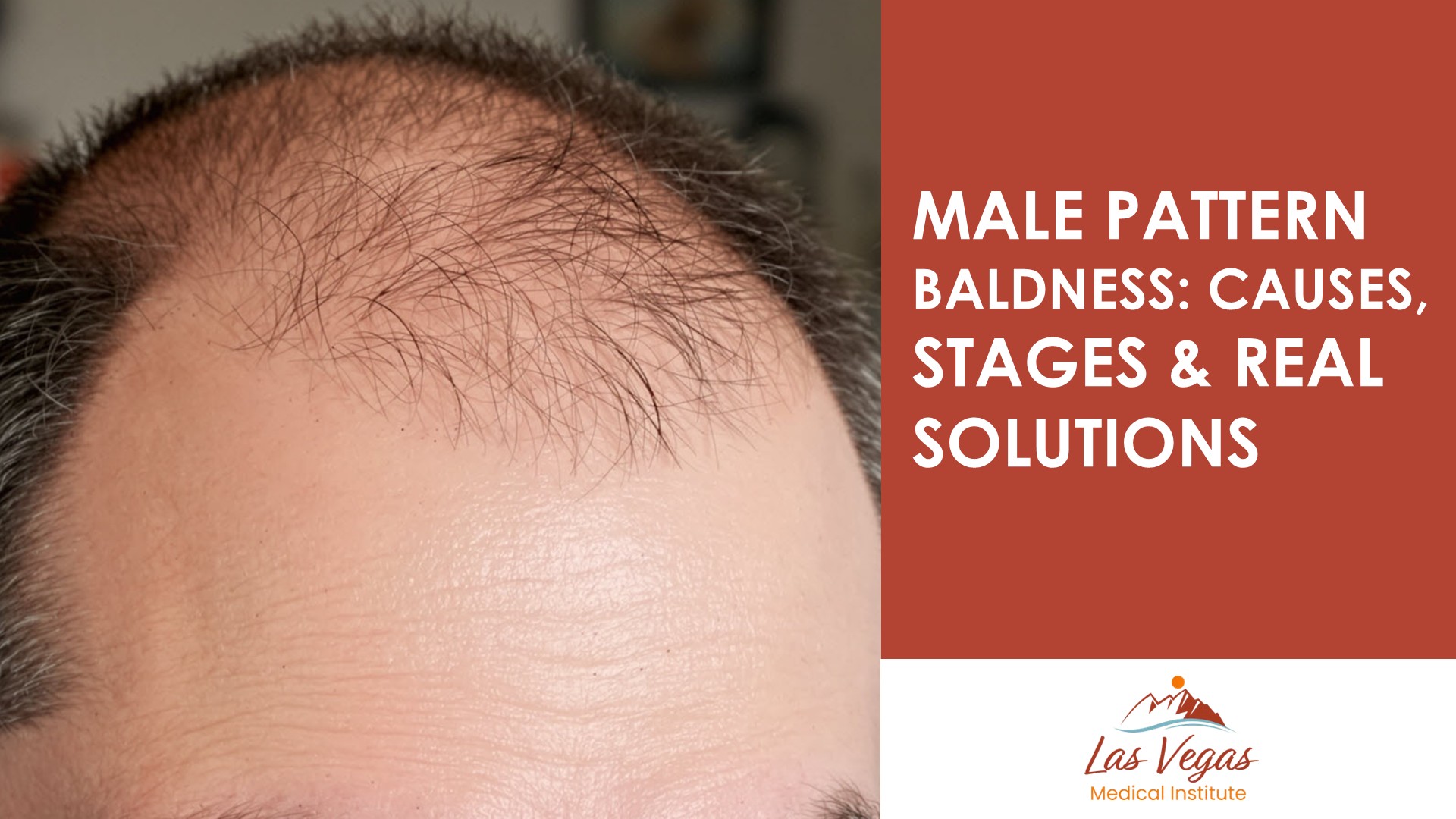
Male pattern baldness, also known as androgenetic alopecia, is the most common cause of hair loss in men. It is characterized by a receding hairline and thinning at the crown. This genetic, androgen-dependent hair disorder can be distressing, but modern treatments and early intervention significantly improve outcomes.
If you're noticing hair thinning or a balding scalp, key solutions include FDA-approved treatments, targeted therapies for hair regrowth, and comprehensive clinical evaluation to address the root of the problem.
Key Takeaways of Male Pattern Baldness
Male pattern baldness is a progressive, genetic condition marked by a receding hairline and thinning at the crown.
Addressing both the emotional and practical sides of hair loss supports overall confidence and well-being.
What is Male Pattern Baldness?
Male pattern baldness refers to the progressive loss of hair experienced predominantly by men. More specifically, it's an androgen-dependent process that leads to the miniaturization of hair follicles over time, especially at the temples and crown.
What is Male Pattern Baldness?
Male pattern baldness, occurs as androgens, especially dihydrotestosterone (DHT), bind to androgen receptors in genetically susceptible scalp hairs. This causes hair follicles to shrink, the growth phase to shorten, and terminal hairs to gradually convert into finer vellus hairs. Eventually, these tiny follicles produce little to no new hair, resulting in noticeable thinning and, for some, complete baldness.
How Hair Loss Occurs in Pattern Baldness
Hair loss in this condition follows a predictable process. Initially, you might see a receding hairline or a thin band of sparseness along the scalp. Over time, affected follicles lose their ability to cycle through the normal growth phase, leading to the classic balding scalp pattern. For many, this process can start as early as their twenties.
Common Causes and Risk Factors
While many assume that hair loss is simply a part of aging, male pattern baldness has well-defined causes. The prime factors are genetic susceptibility and androgen activity.
The Role of Genetics and Androgens
Roughly 80% of the predisposition for male pattern hair loss is inherited. Both maternal and paternal family history significantly increase a person's risk, with the androgen receptor gene playing a key role.
If someone notices a pattern of balding men or women with female pattern hair loss in their family, they should be alert to early signs in themselves. Importantly, male pattern baldness doesn't occur without normal levels of male sex hormones, there must be functional androgens in the system for the process to begin.
Additional Risk Factors
The likelihood grows with age, affecting 30–50% of men by age 50. Other risk factors can include early androgenetic alopecia, metabolic syndromes like insulin resistance or polycystic ovary syndrome in women, and high blood pressure. Some studies have shown links between pattern baldness and an increased risk for cardiovascular diseases or prostate cancer, though these relationships are still under investigation.
Early Signs and Stages of Hair Loss
Recognizing the earliest signs of male pattern baldness is crucial for effective intervention. The sooner someone addresses hair thinning, the more treatment options can help slow, or sometimes even reverse, progression.
The Classic Patterns: Receding Hairline and Vertex Balding
Most people first notice a receding hairline, usually at the temples, or thinning at the crown. Over time, hairline recession can deepen, sometimes leaving a characteristic deep hairline recession or even a bald spot at the vertex. The severity and pattern vary, but these signs are almost always the first indicators of androgenetic alopecia.
The Hamilton–Norwood Scale: Staging Hair Loss
Doctors use the Hamilton–Norwood scale to classify the extent of hair loss, ranging from minor thinning near the temples to extensive balding covering most of the scalp. Early detection is key. The earlier treatment begins, the better the chances of preserving existing hair density and stimulating hair growth.
Diagnosing Male Pattern Baldness
Diagnosing male pattern baldness is typically straightforward for trained professionals. It's primarily a clinical diagnosis based on the distinctive pattern of hair loss and the patient's history.
Clinical Evaluation and Diagnostic Tools
A dermatologist will take a thorough family history and examine the scalp for patterns typical of androgenic alopecia. Sometimes, trichoscopy, a detailed scalp and hair examination with dermoscopy tools, can reveal miniaturized follicles and hair diameter variability, further confirming the diagnosis.
Blood tests may be considered if hair loss is very rapid, patchy, or accompanied by other symptoms that suggest alternative diagnoses, such as alopecia areata or underlying systemic conditions.
Ruling Out Other Hair Disorders
When hair thinning or loss doesn't match the typical profile, or when additional symptoms like inflammation, scarring, or sudden shedding appear, clinicians may recommend additional investigations.
This can include blood tests for thyroid function, iron deficiency, or hormonal imbalances. Diagnosing hair loss accurately ensures the right medical treatments and avoids unnecessary interventions.
Treatment Options and Management Strategies
While male pattern baldness is progressive and often permanent without treatment, today's therapies offer real hope for increased hair and renewed confidence. Early treatment gives the best chance for success.
Medical Therapy: FDA-Approved Treatments
Two mainstays of medical therapy have robust evidence for effectiveness: topical minoxidil and oral finasteride. Minoxidil (2–5%) is applied directly to the scalp, promoting prolonged growth phase, increased hair density, and modest hair regrowth in many men.
Finasteride is a prescription tablet that inhibits 5‑α‑reductase, the enzyme that converts testosterone to DHT. This reduces further hair loss and, in a significant number, stimulates new hair growth. Both drugs are supported by studies and are the standard first-line options.
Advanced Solutions: Hair Transplant and Low Level Laser Therapy
For those with advanced or persistent hair thinning, hair transplantation offers a permanent solution, moving healthy follicles from donor sites to balding areas.
Platelet-rich plasma therapy and low level laser therapy are emerging options that stimulate dermal papilla cells and promote hair growth for some men, though results may vary. Cosmetic solutions, such as scalp micropigmentation or hair fibers, can help camouflage thinning areas for immediate results.
Considerations and Side Effects
All treatments come with potential risks. Finasteride has been associated with rare side effects like reduced libido or erectile dysfunction, while minoxidil may cause scalp irritation for some.
Discussing goals and risk factors with a medical provider ensures the best treatment plan. Ongoing maintenance and realistic expectations are key, as stopping therapy will often result in rapid hair loss resuming.
Coping With Hair Loss: Practical and Emotional Support
Hair thinning and baldness are more than cosmetic changes, they can significantly impact self-esteem and quality of life. Coping well often means addressing both the practical and emotional sides of male pattern baldness.
Psychological Impact and Support Networks
It's normal to experience distress, frustration, or even embarrassment when you lose hair. Support groups, professional counseling, and cognitive-behavioral strategies can help men process these emotions.
Hearing from others who have faced similar challenges can reduce isolation and offer meaningful, practical advice. Setting realistic expectations, whether pursuing medical therapy or embracing a new look, is shown to improve satisfaction and self-image.
Practical Approaches: Hairstyles, Camouflage, and Acceptance
Many men choose short hairstyles or shave their heads, which can look stylish and make the transition less jarring. Cosmetic solutions, such as hair fibers or scalp micropigmentation, help mask thin areas and restore the appearance of fullness.
For others, simply accepting the changes and focusing on overall health and confidence brings the most relief. Each individual's journey is different, and finding the right mix of medical and practical options makes all the difference.
Frequently Asked Questions About Male Pattern Baldness: Causes, Stages & Real Solutions
What is male pattern baldness and what causes it?
Male pattern baldness, is a genetic and androgen-dependent condition where hair gradually thins and recedes at the temples and crown. It's caused by genetic susceptibility and the action of androgens, especially dihydrotestosterone (DHT), on hair follicles.
How can I tell if I have male pattern baldness?
Early signs of male pattern baldness include a receding hairline, especially at the temples, or thinning at the crown. The Hamilton–Norwood scale is often used by dermatologists to classify the extent of hair loss and guide treatment.
What are the most effective treatments for male pattern baldness?
FDA-approved treatments like topical minoxidil and oral finasteride are the primary medical options for male pattern baldness. They can slow hair loss and, in many cases, promote regrowth. For advanced cases, options include hair transplants or low level laser therapy.
Are there any side effects of treatments for male pattern baldness?
Yes, finasteride may rarely cause reduced libido or erectile dysfunction, while minoxidil can cause scalp irritation for some. It's important to discuss potential side effects and your goals with a healthcare provider before starting treatment.
Can lifestyle changes improve male pattern baldness?
While male pattern baldness is mainly genetic and hormonal, maintaining general health through balanced nutrition, stress management, and regular checkups may support hair health. However, these changes cannot reverse genetic hair loss but can contribute to overall well-being.
Is it possible to prevent male pattern baldness?
Currently, there is no proven way to prevent male pattern baldness since genetics play a major role. Early intervention with treatments like minoxidil or finasteride can help slow progression if started at the first signs of hair thinning.
Conclusion and Summary of Male Pattern Baldness: Causes, Stages & Real Solutions
Male pattern baldness affects millions worldwide, but today's understanding of the genetic, hormonal, and environmental factors provides individuals with clear, actionable choices. Early diagnosis and evidence-based medical treatments, ranging from topical minoxidil to hair transplantation, mean men have more options than ever to preserve or restore hair growth.
For those facing hair loss, blending practical solutions with medical therapy and emotional support helps reclaim confidence and well-being. Proactive management makes a tangible, positive impact, now and in the years ahead.
Ready to Restore Your Hair with Non-Surgical Hair Restoration in Las Vegas?
Thicker Hair. Natural Regrowth. No Downtime.
Unlike hair transplants that require invasive surgery, scarring, and weeks of recovery, our advanced platelet-rich plasma PRP hair restoration uses your body's own healing platelets to naturally stimulate hair follicles and regrow your hair. It's like waking up dormant follicles and giving them the growth factors they need to thrive again.
This isn't hiding under toupees or settling for temporary hair replacement systems. Our medical-grade hair restoration without surgery delivers concentrated growth factors directly into your scalp, targeting the root cause of thinning and triggering natural regrowth where you need it most.
Are You Experiencing These Common Hair Loss Problems?
Receding hairline that keeps moving back.
Thinning crown that’s becoming more visible.
Bald spots that won’t fill in.
Male pattern baldness affecting your confidence.
Female pattern baldness that’s getting worse.
Patchy hair loss in multiple areas.
Frontal hairline thinning and recession.
Sudden hair loss that appeared out of nowhere.
Experience Benefits You Can Actually FEEL:
Natural hair regrowth without surgery or scars.
Thicker, fuller hair that’s actually yours.
No more hiding under toupees or wigs.
Effective non-surgical hair restoration for men and women.
Minimally invasive with no downtime.
Safe, natural solution using your own blood platelets.
Real hair replacement from your own follicles.
And much more!
Why settle for temporary cover-ups or invasive transplants when you can regrow your own hair naturally? PRP hair restoration is trusted by men and women worldwide who've experienced real regrowth in areas they thought were gone forever. Many patients see visible improvements within months, with continued thickening over time.
At Las Vegas Medical Institute, we blend advanced PRP hair restoration technology with physician-led expertise for hair restoration results that restores your hair, appearance, and your confidence.
Ready to regrow your hair naturally? Schedule Your Hair Restoration Consultation here, or call us today at (702) 577-3174 and discover how non-surgical hair restoration is helping men and women across Las Vegas reclaim their full, healthy hair!
Cover Photo Illustration by: Las Vegas Medical Institute.
Morpheus8 is a minimally invasive treatment that tightens skin, softens fine lines and wrinkles, and improves skin texture by combining microneedling with radiofrequency energy to stimulate collagen production in the deeper layers. In a medical office setting, it's commonly chosen for acne scars, sagging skin, uneven skin tone, and enlarged pores, especially when patients want…
Morpheus8 skin tightening is a minimally invasive RF microneedling treatment that delivers radiofrequency energy into deeper layers of the skin to stimulate collagen production, improve skin texture, and create a firmer, tighter look over time. In practical terms, most patients can expect a numbed, in-office procedure, mild redness or swelling afterward, and visible results that…
Las Vegas Medical Institute earns top honors in the 2026 Best of Beauty awards, solidifying its reputation as a premier destination for regenerative medicine in Las Vegas.Las Vegas Medical Institute (LVMI) has been named "Best Regenerative Medicine" by Modern Luxury Vegas Magazine as part of its highly anticipated 2026 Best of Beauty awards. The distinction…
Morpheus8 for acne scars is considered highly effective because it combines microneedling and radiofrequency (RF) energy to remodel scarred skin from the deeper layers up. It improves the appearance of acne scars by about 40–70% across common scar types when done in a medical office setting. It works by using tiny needles to deliver controlled…