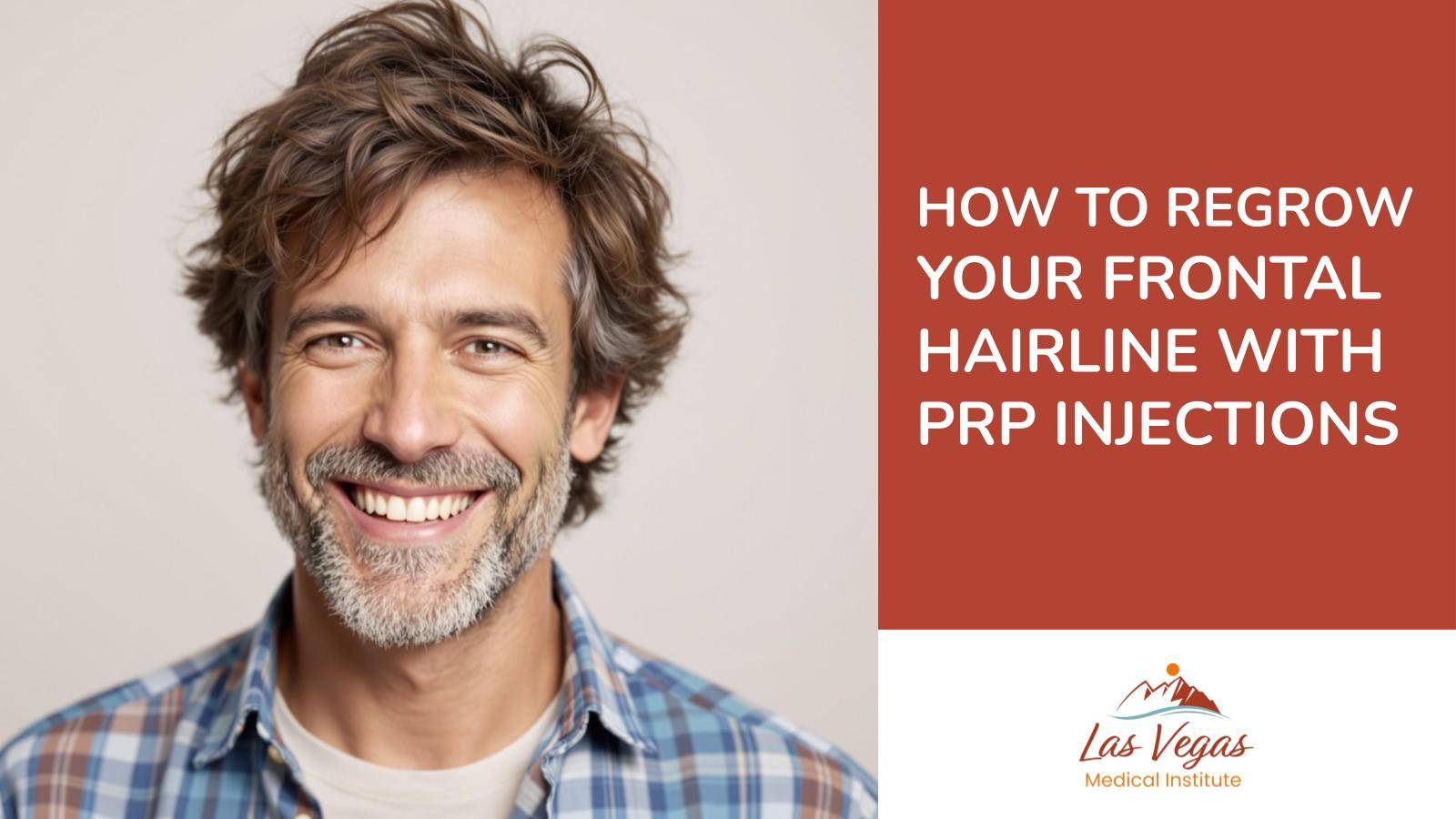
How to regrow frontal hairline concerns often lead people to consider PRP injections. This treatment can thicken thinning hair and partially restore the hairline. In many patients with early pattern hair loss, platelet-rich plasma helps promote hair growth by re-energizing weakened hair follicles along the frontal hairline. It does this by delivering a high concentration of the body's own growth factors directly into areas of hairline recession.
Most people want to know three things immediately: whether PRP can really encourage hair growth at the front, how many sessions it takes, and what results look like. PRP is most effective for early pattern hair loss, improving hair density, reducing further hair loss, and creating a fuller hairline rather than reversing complete bald patches. The key is starting treatment before the follicles have completely shut down.
Key Takeaways of How To Regrow Your Frontal Hairline
Wondering how to regrow frontal hairline areas? PRP injections can thicken miniaturized hairs and strengthen a receding hairline when treatment starts early.
PRP hairline treatment works by concentrating your own platelets and growth factors, then injecting them into thinning frontal hairline zones.
Combining PRP injections with topical minoxidil, DHT-targeting medications, and lifestyle changes can significantly boost hairline regrowth results.
To safely and effectively address how to regrow frontal hairline loss, consult a hair restoration specialist who can tailor a PRP-based plan.
Frontal Hairline Thinning
Frontal hairline thinning rarely happens overnight: it usually reflects a slow process where hair follicles weaken, miniaturize, and eventually stop producing visible hair.
Common Causes Of A Receding Or Thinning Hairline
The most common type of hair loss at the front is androgenetic alopecia, also called male pattern baldness or female pattern hair loss. In this condition, hair follicles around the hairline are genetically sensitive to a hormone called DHT.
Over time, DHT shortens the growth phase of the hair cycle and causes gradual hair thinning. The frontal hairline starts to recede at the temples, creating a bad hairline shape that creeps backward. People see more scalp, less hair density, and shorter, finer hairs.
Other causes include traction alopecia from tight hairstyles that pull around the hairline, and telogen effluvium triggered by stress, illness, or nutritional deficiencies. These problems often worsen existing pattern hair loss.
How Hair Follicles Grow And Miniaturize Over Time
Hair grows in repeating cycles: anagen (growth), catagen (transition), and telogen (rest). Healthy hair growth means a long anagen phase and short resting phases. In androgenetic alopecia, DHT gradually shortens the anagen phase.
As this happens, the hair shaft emerging from each follicle becomes thinner and shorter. Eventually, some follicles produce only tiny, barely visible hairs or stop producing new hair entirely. This is follicle miniaturization.
Around the frontal hairline, miniaturization creates a wispy, uneven edge where the hairline recession becomes obvious. PRP and other hair loss treatments aim to slow or reverse miniaturization so more hair grows and existing hair thickens.
What PRP Injections Are And How They Work
PRP injections use a small sample of the patient's own blood to create a concentrated solution of platelets and growth factors. Then, this growth factors are injected into thinning areas of the hairline.
What Platelet-Rich Plasma (PRP) Actually Is
Platelet-rich plasma is a portion of blood that contains a higher-than-normal concentration of platelets. Platelets are cell fragments best known for helping blood clot, but they also store powerful growth factors. To create PRP, a clinician draws blood, then spins it in a centrifuge. The spinning separates red cells from plasma rich in platelets. That upper portion is the platelet-rich plasma used in hair treatment.
These growth factors have hair growth promoting effects on hair follicles. When injected into the scalp, they support healthy hair growth by improving cell signaling, promoting blood flow, and supporting surrounding tissue repair.
How PRP Stimulates Hair Follicles
In pattern baldness, many hair follicles are still present but dormant or miniaturized. PRP aims to stimulate hair follicles and restore a longer growth phase, especially along the frontal hairline.
The concentrated growth factors in PRP can stimulate blood flow around follicles, encourage stem cells in the follicle bulge, and prolong the anagen phase. Over time, this can thicken existing hairs and promote hair regrowth in weakened follicles.
Clinical studies on androgenetic and androgenic alopecia show increases in hair density and shaft thickness after a series of PRP sessions. The result is often fuller hair and a stronger, more natural appearance at the hairline.
Who Is A Good Candidate For PRP Hairline Treatment?
PRP works best when there is hair thinning, not complete baldness. Good candidates usually have early to moderate hairline recession with visible, thin hairs still present.
People with pattern hair loss who want to avoid or delay hair transplantation often consider PRP. Those with good overall health, no serious clotting disorders, and realistic expectations usually do well.
PRP is less effective where follicles are completely destroyed, such as long-standing bald patches. A hair restoration specialist can perform a scalp exam, sometimes with dermatoscopy, to judge whether enough active follicles remain for PRP to help.
Can PRP Really Regrow The Frontal Hairline?
PRP can meaningfully improve a receding hairline in many patients, but it is more of a thickening and restoration treatment than a complete reversal of advanced baldness.
Realistic Expectations: Thickening Versus True Regrowth
In early androgenetic alopecia, studies show PRP can increase hair density and shaft thickness, often by dozens of hairs per square centimeter in treated areas. Along the frontal hairline, this translates to less scalp show-through and a stronger edge.
But, completely lost hair where follicles have disappeared is unlikely to return. PRP primarily helps existing miniaturized follicles produce more hair and healthier hair. Patients should expect a fuller hairline, not a teenager's hairline.
Some research reports higher response rates to PRP compared with topical solution minoxidil alone. But combining both often yields better results than either treatment alone, especially when the goal is fuller hair and stopping further hair loss.
How Many Sessions You May Need And When Results Show
Most treatment plans start with a series of three initial sessions spaced about four weeks apart. Some clinics add a fourth session depending on hair types and severity of hair thinning.
Patients rarely see immediate visible changes because hair grows slowly. Many begin noticing less shedding and subtle thickening after two to three months as new hair grows through.
Maximum visible improvement around the frontal hairline often appears between three and six months after starting PRP. Maintenance sessions every six to twelve months can help sustain hair health and density.
Factors That Influence Your Results (Age, Genetics, Habits)
Results vary widely. Age, genetics, pattern hair loss severity, and the length of time hairline recession has been present all influence outcomes. Earlier intervention generally produces better responses.
Lifestyle factors matter too. Smoking, unmanaged stress, and poor nutrition can limit the ability of follicles to respond. In contrast, a healthy diet, good sleep, and efforts to reduce stress support the treatment.
Underlying health conditions, hormonal changes, and certain medications can also affect hair regrowth. This is why consultation with a dermatologist or hair specialist is essential before starting PRP for a receding hairline.
Clinicians also consider platelet concentration and technique. Properly prepared PRP with adequate platelet levels and precise injection placement typically delivers better hair growth promoting effects.
Combining PRP With Other Hairline Treatments
PRP works best as part of a broader treatment plan that may include medications and lifestyle changes designed to promote hair health and protect the hairline.
Topical And Oral Medications That Can Boost PRP Results
Topical minoxidil is a common first-line hair treatment for pattern baldness. It helps prolong the hair growth phase and can complement the follicle stimulation from PRP injections.
Some patients also benefit from prescription medications that address hormonal influences, especially in male pattern hair loss and certain female cases. These medications target DHT, a key driver of hairline miniaturization.
PRP Versus Hair Transplant For The Frontal Hairline
PRP is a non-surgical option aimed at boosting existing follicles, while hair transplantation relocates follicles from the back of the scalp to bald or very thin areas. They address different stages of hair loss.
For early hairline recession and diffuse thinning hair, PRP is often preferred first because it preserves native hair and carries minimal downtime. It can delay or reduce the need for surgery.
For advanced hairline loss with large bald areas and minimal residual follicles, hair transplantation may be necessary to recreate a new frontal hairline. PRP can still be used around transplanted grafts to support healthy hair growth.
Lifestyle Changes That Protect And Support Your Hairline
No medical treatment can fully overcome damaging daily habits. Patients are often encouraged to avoid tight hairstyles that strain around the hairline and cause traction alopecia.
A nutrient-rich diet supporting overall hair health, with adequate protein, iron, vitamin D, and other key micronutrients, helps follicles function properly. Addressing nutritional deficiencies improves the environment for new hair.
Managing stress through exercise, sleep, or relaxation techniques may reduce episodes of telogen effluvium that worsen hair thinning. Gentle hair care, limited use of harsh chemicals, and scalp massage to stimulate blood flow can also support the frontal hairline over time.
Frequently Asked Questions About How to Regrow Your Frontal Hairline With PRP Injections
How do PRP injections help regrow the frontal hairline?
PRP injections can help regrow a frontal hairline by delivering concentrated growth factors from your own blood into areas of thinning. These signals improve blood flow, stimulate follicle stem cells, and prolong the growth (anagen) phase, which thickens miniaturized hairs and reduces scalp visibility along the hairline.
Can PRP completely restore a severely receded frontal hairline?
PRP is best for early to moderate frontal hairline thinning, where thin, miniaturized hairs are still present. It mainly thickens and strengthens existing follicles rather than recreating hair in completely bald, long‑standing areas. In advanced recession, a hair transplant is often needed to rebuild the hairline, sometimes supported by PRP.
How many PRP sessions are usually needed to see hairline regrowth?
Most treatment plans start with three PRP sessions spaced about four weeks apart, sometimes adding a fourth depending on severity. Visible improvement is gradual: many patients notice less shedding and early thickening at two to three months, with more obvious frontal hairline changes between three and six months, plus maintenance sessions every 6–12 months.
Who is a good candidate for PRP to regrow the frontal hairline?
Good candidates typically have early to moderate male or female pattern hair loss at the front, with visible but thinning hairs rather than smooth, shiny bald skin. They should be in generally good health, without serious clotting disorders or active scalp infections, and have realistic expectations about thickening versus total hairline restoration.
Is PRP for a receding hairline better than minoxidil or other medications?
PRP and medications work differently and are often more effective together than alone. PRP directly stimulates follicles with growth factors, while treatments like topical minoxidil and DHT‑blocking medications influence the hair cycle hormonally or locally. For many patients, combining PRP with medical therapy provides stronger, more sustained frontal hairline regrowth.
How much do PRP injections for frontal hairline regrowth cost in Fresno, CA?
PRP injections for hair loss cost in Fresno, CA often range from about $1,000 to $2,000. Because multiple sessions and maintenance treatments are usually required, The Optimal Medical Group offer package pricing.
Conclusion and Summary of How to Regrow Your Frontal Hairline With PRP Injections
PRP injections offer a targeted way to strengthen a thinning frontal hairline by using the body's own growth factors to support struggling hair follicles. PRP is most effective for people with early to moderate hairline recession who still have thinning, miniaturized hairs rather than completely bare skin. It can increase hair density, improve hair health, and create a fuller hairline.
Anyone noticing a receding hairline, hairline recession at the temples, or progressive thinning should consider a prompt appointment. Early evaluation allows for tailored therapy before lost hair becomes permanent.
During that visit, a classification of the type of hair loss is made, review risk factors, and discuss whether PRP, topical treatments, or a combination approach offers the best chance of healthier, more hair along the frontal hairline.
Ready to Restore Your Hair with Non-Surgical Hair Restoration in Las Vegas?
Thicker Hair. Natural Regrowth. No Downtime.
Unlike hair transplants that require invasive surgery, scarring, and weeks of recovery, our advanced platelet-rich plasma PRP hair restoration uses your body's own healing platelets to naturally stimulate hair follicles and regrow your hair. It's like waking up dormant follicles and giving them the growth factors they need to thrive again.
This isn't hiding under toupees or settling for temporary hair replacement systems. Our medical-grade hair restoration without surgery delivers concentrated growth factors directly into your scalp, targeting the root cause of thinning and triggering natural regrowth where you need it most.
Are You Experiencing These Common Hair Loss Problems?
Receding hairline that keeps moving back.
Thinning crown that’s becoming more visible.
Bald spots that won’t fill in.
Male pattern baldness affecting your confidence.
Female pattern baldness that’s getting worse.
Patchy hair loss in multiple areas.
Frontal hairline thinning and recession.
Sudden hair loss that appeared out of nowhere.
Experience Benefits You Can Actually FEEL:
Natural hair regrowth without surgery or scars.
Thicker, fuller hair that’s actually yours.
No more hiding under toupees or wigs.
Effective non-surgical hair restoration for men and women.
Minimally invasive with no downtime.
Safe, natural solution using your own blood platelets.
Real hair replacement from your own follicles.
And much more!
Why settle for temporary cover-ups or invasive transplants when you can regrow your own hair naturally? PRP hair restoration is trusted by men and women worldwide who've experienced real regrowth in areas they thought were gone forever. Many patients see visible improvements within months, with continued thickening over time.
At Las Vegas Medical Institute, we blend advanced PRP hair restoration technology with physician-led expertise for hair restoration results that restores your hair, appearance, and your confidence.
Ready to regrow your hair naturally? Schedule Your Hair Restoration Consultation here, or call us today at (702) 577-3174 and discover how non-surgical hair restoration is helping men and women across Las Vegas reclaim their full, healthy hair!
Cover Photo Illustration by: By Las Vegas Medical Institute.
Ultherapy vs Morpheus8 comes down to lifting vs. remodeling: Ultherapy uses focused ultrasound energy to tighten sagging skin by targeting deeper layers for a non surgical facelift effect, while Morpheus8 uses microneedling and radiofrequency energy to improve skin texture, tone, and firmness through collagen and elastin production. For most patients, the "right" choice depends on…
Morpheus8 for the body is a minimally invasive, non surgical radiofrequency microneedling treatment. It tightens skin, improves texture, and can reduce small amounts of fat by delivering RF energy through tiny needles into the deeper layers. It works by creating controlled skin injury and heat at precise depths, which jump-starts the body's natural healing process…
Morpheus8 for the stomach before and after results typically show firmer abdominal skin, smoother texture, and a tighter look, because radiofrequency microneedling triggers new collagen and elastin where skin laxity and crepey skin tend to linger. It's a minimally invasive treatment designed to tighten loose skin and improve skin tone and skin texture, not a…
Morpheus8 reviews tend to land in the same place: patients like it most when they want firmer, smoother skin and are willing to do a properly planned series with a skilled provider. Morpheus8 is a microneedling plus radiofrequency energy procedure done in a medical office setting. It is designed to improve skin texture, pores, acne…