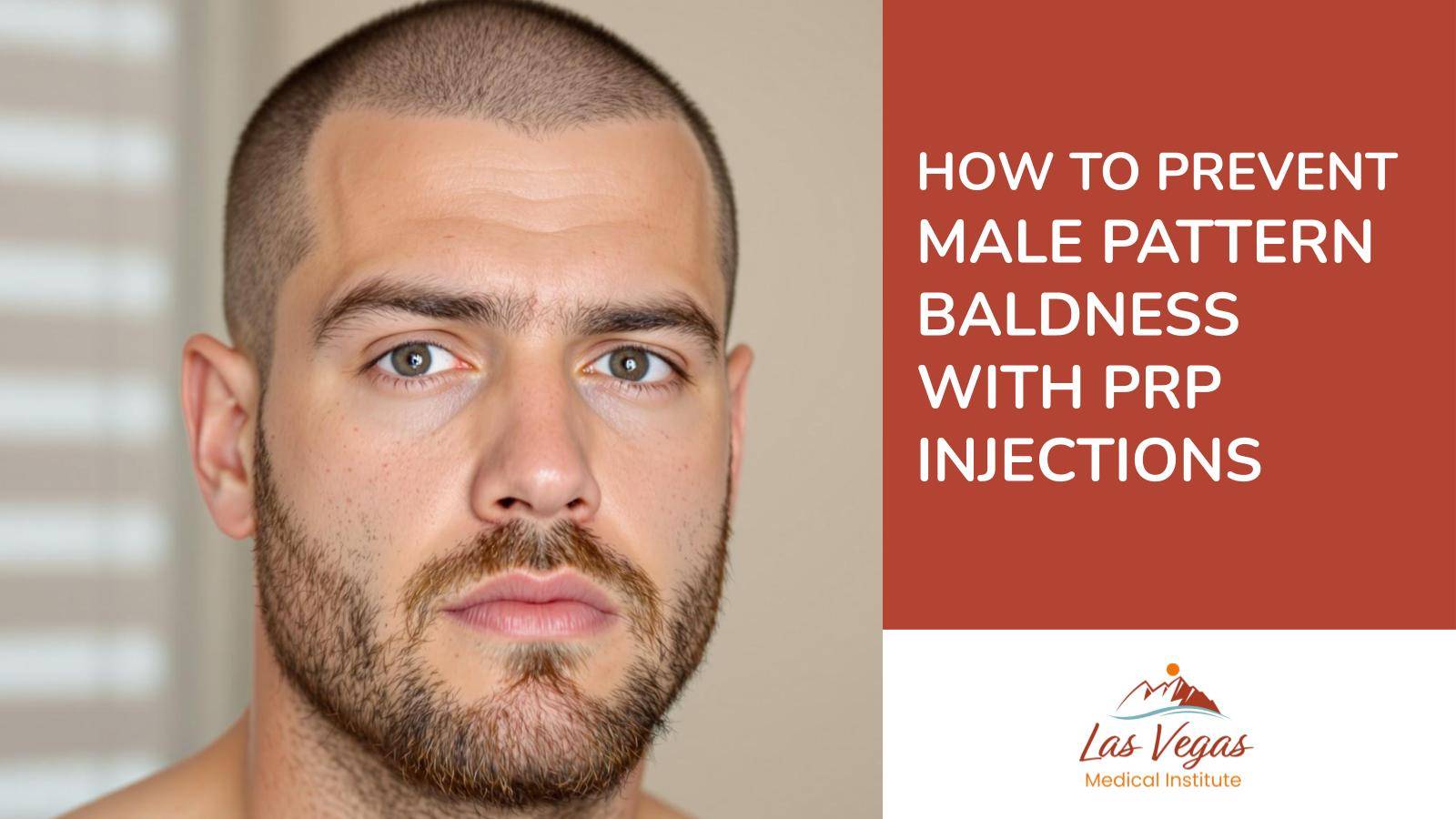
How to prevent male pattern baldness is less about stopping it completely and more about slowing it down and preserving as much hair as possible. Platelet-Rich Plasma (PRP) injections can't erase hereditary hair loss, but they can help stimulate hair growth, increase hair density, and reduce further hair loss in many patients with early male pattern baldness. The core strategy is simple: diagnose male pattern baldness early, protect fragile hair follicles with proven medical treatments, and use PRP to boost new hair growth where follicles are still alive.
For men worried about a receding hairline, noticeable thinning, or a growing bald spot, the most important steps are early evaluation, starting evidence-based hair loss treatments, and following a realistic plan. That usually means seeing a dermatologist, discussing options like finasteride and minoxidil, and considering PRP if they want to further stimulate hair growth. In clinic settings, many patients see thicker, fuller hair and less hair shedding within several months when PRP is added to a broader plan.
Key Takeaways of How to Prevent Male Pattern Baldness
Platelet-Rich Plasma (PRP) injections can stimulate hair growth, increase hair density, and reduce shedding in many men with early to moderate male pattern baldness.
PRP works by delivering concentrated growth factors directly to thinning areas of the scalp, and is most effective as part of a broader plan.
Preventing long-term male pattern hair loss with PRP requires consistency, usually starting with 3–6 sessions spaced 4–6 weeks apart.
To safely and effectively use PRP injections for hair loss prevention, men should choose a qualified hair specialist and support results with healthy lifestyle habits.
Male pattern baldness is driven mainly by genetics and hormone sensitivity, not by poor hair care or dirty scalp skin. Men with a family history of balding inherit hair follicles that are more sensitive to normal levels of androgens, especially dihydrotestosterone, or DHT.
Over years, DHT gradually shrinks susceptible hair follicles. The hairs become thinner, shorter, and lighter in color. This process, called miniaturization, leads to thinning hair and then visible baldness. The pattern usually starts with a receding hairline, thinning at the crown, or both.
This type of hair loss is a normal part of the aging process for many men. By some estimates, about two thirds of men notice hair loss from androgenetic alopecia by age 35, with more hair thinning later. Although it is common, the emotional impact can be significant.
How Early Intervention Changes Your Long-Term Hair Outlook
Early intervention does not change a person's genes, but it can significantly reduce hair loss progression. When men start treatment soon after they notice signs of pattern baldness, more follicles are still alive and capable of hair regrowth.
Medical treatments like topical minoxidil and oral finasteride help maintain results by supporting blood flow, extending the growth phase, and lowering DHT levels around vulnerable follicles. Finasteride helps by blocking the conversion of testosterone to DHT, which can reduce hair thinning in many men.
PRP injections add another layer. By delivering concentrated growth factors directly into the scalp, they may help revive weak follicles and stimulate hair growth. Starting PRP when hair loss is mild or moderate usually offers better odds than waiting until only a thin layer of hair remains.
What Platelet-Rich Plasma (PRP) Therapy Is And How It Works
PRP therapy uses a small amount of the patient's own blood, processed and injected into the scalp, to help stimulate hair growth in areas affected by androgenic alopecia.
The Science Behind PRP: Growth Factors And Hair Follicles
Platelets are cell fragments in the blood that help with clotting and healing. They also carry powerful growth factors that influence cell repair, blood vessel formation, and tissue regeneration. In PRP, these platelets are concentrated to several times normal blood levels.
During a treatment, this platelet-rich plasma is injected into the scalp where hair is thinning. The goal is to bathe hair follicles in growth factors like PDGF and VEGF, which can support blood flow, reduce inflammation, and potentially lengthen the hair growth phase.
Clinical studies suggest PRP can increase hair density and hair thickness in many men with male pattern hair loss, especially in earlier stages. Patients often report less hair shedding and improved coverage in areas that previously showed noticeable thinning.
What To Expect From A PRP Hair Treatment Session
Most PRP hair sessions in dermatology offices follow a consistent structure, from consultation to blood draw to injections into thinning areas of the scalp.
Step-By-Step: From Consultation To Injection
The first visit usually involves a detailed consultation and physical exam. The hair specialist reviews family history, medical conditions, medications, and the pattern of hair loss. They confirm the type of hair loss, since alopecia areata or other hair disorders may need different treatments.
On treatment day, a small amount of blood is drawn from the patient's arm. The blood is placed in a centrifuge, which spins it at high speed to separate the platelet-rich plasma. This process usually takes several minutes.
Does PRP Hurt? Pain Management And Comfort Options
Most patients describe PRP injections as mildly uncomfortable rather than intensely painful. They may feel brief pressure or stinging with each injection. Sensation can vary by scalp area and individual sensitivity.
Clinics use several strategies to reduce discomfort. Topical anesthetic creams are common and are applied beforehand to the scalp. Some providers also use small local anesthetic injections at key points to block pain more effectively.
How Effective Is PRP For Preventing Male Pattern Baldness?
PRP can meaningfully slow further hair loss and improve coverage in many men, but its impact depends on stage of balding, genetics, and consistency of treatment.
What Studies Show About Density, Shedding, And Hair Thickness
Multiple small clinical studies have reported improvements in hair density and shaft thickness in men with androgenetic alopecia after a series of PRP injections. In many reports, microscopic counts show more hair per square centimeter compared to baseline.
Patients in these studies often notice less daily hair shedding, thicker feeling hair, and better scalp coverage. Some experience small areas of hair regrowth where follicles were still present but producing miniaturized hairs.
Because male pattern baldness progresses over many years, even stabilizing hair density or slowing the speed of loss can be a meaningful success. For many men, that delay allows them to keep more hair while they age.
Who Responds Best To PRP (And Who May Not)
The best responses to PRP are usually seen in men with early to moderate male pattern hair loss. They still have many miniaturized, but living, follicles in areas of general thinning.
Men with very advanced baldness, shiny scalp, or long-standing bald spots often have fewer viable follicles left. In those cases, PRP is less likely to produce visible new hair growth. Hair transplant surgery may be more appropriate for improving coverage.
Age can play a role, too. Many clinics find that patients who start in their late teens or twenties, soon after they notice signs of pattern baldness, have a better chance of maintaining more hair. Still, older patients with thinning hair can also benefit when some follicles remain.
How Often You Need PRP Sessions For Prevention
There is no single universal schedule, but many providers follow a similar structure. Patients begin with an induction phase of three to six sessions, usually spaced four to six weeks apart.
This series builds up the effect of the platelet-derived growth factors in the scalp. After this phase, maintenance sessions are performed every six to twelve months to help maintain results and reduce further hair loss.
The exact timing can be adjusted based on the patient's response. If hair density begins to decline again or hair shedding increases, the dermatologist may suggest more injections or slightly shorter intervals.
Combining PRP With Other Hair Loss Treatments For Better Prevention
For many men, the most effective approach to prevent male pattern baldness progression is a combination of PRP injections with proven medical and lifestyle strategies.
PRP Versus Minoxidil, Finasteride, And Other Options
Minoxidil and finasteride are the two most widely used medical treatments for male pattern baldness. Minoxidil is applied to the scalp to help stimulate hair growth and extend the growth phase. Finasteride is taken orally to reduce DHT levels.
Unlike these medications, PRP is an injectable treatment that uses growth factors rather than synthetic drugs. It is not a replacement for either, but can be added when the patient wants more aggressive prevention of hair thinning.
Hair transplant surgery moves hair follicles from the back of the head to balding areas. It can improve coverage but does not stop future loss in remaining native hair. Many surgeons recommend medical treatments and sometimes PRP to protect both transplanted and existing hair.
Using PRP Alongside Medications, Topicals, And Devices
Many dermatologists now use PRP as part of a multi-pronged plan. A typical approach might include daily minoxidil, finasteride when appropriate, and PRP sessions to boost results and help maintain hair density.
Using treatments together can address different aspects of androgenetic alopecia. Finasteride targets hormone levels, minoxidil supports blood flow and follicle activity, and PRP provides concentrated growth factors and anti-inflammatory effects.
Some patients also use low level laser devices under medical guidance to further stimulate follicles. Others use specialized shampoos to reduce scalp inflammation, though these are supportive rather than primary treatments.
Lifestyle Habits That Support PRP And Hair Health
Lifestyle cannot override strong genetics, but it can support overall hair health and potentially improve treatment response. Good nutrition with adequate protein, iron, zinc, and essential fatty acids helps hair growth cycles.
Chronic stress has been linked with temporary hair shedding and can aggravate existing pattern baldness. Stress management, adequate sleep, and regular exercise support general health, which may indirectly support hair.
Smoking and heavy alcohol use can impair circulation and healing, which is not ideal for follicles already under hormonal pressure. Reducing these habits can only help when trying to reduce hair loss.
Men considering PRP should also keep regular follow-up appointments and report any new medical conditions. When physical health is stable and lifestyle is supportive, the body is in a better position to respond to treatments.
Frequently Asked Questions About How to Prevent Male Pattern Baldness With PRP Injections
Can Platelet-Rich Plasma injections really help prevent male pattern baldness?
Platelet-Rich Plasma injections cannot switch off the genes that cause androgenetic alopecia, but they can slow progression. By bathing hair follicles in growth factors, PRP may increase hair density, reduce shedding, and thicken existing hairs, especially when started early and combined with treatments like minoxidil and finasteride.
What is the best way to prevent male pattern baldness early on?
The best way to prevent male pattern baldness from rapidly progressing is early intervention. As soon as you notice thinning or a receding hairline, see a specialist, confirm the diagnosis, and start evidence-based treatments to preserve living follicles and hair density.
How many PRP sessions do I need to slow male pattern baldness?
Most protocols for preventing male pattern baldness with PRP use an induction phase of three to six sessions spaced about four to six weeks apart. After that, maintenance appointments every six to twelve months are common. Timing is adjusted based on your response and any increase in shedding or thinning.
How much do PRP injections for male pattern baldness typically cost in Fresno, CA?
Costs vary widely, but Platelet-Rich Plasma injections for hair loss cost in Fresno, California range about $1,000 to $2,000. Many patients need a series of sessions plus maintenance, so you should ask for a full treatment plan and total cost estimate up front.
Are PRP injections or hair transplant surgery better for male pattern baldness?
They serve different purposes. PRP injections mainly slow loss and thicken existing hair, working best in early to moderate male pattern baldness. Hair transplant surgery relocates follicles to bald areas and is typically used for more advanced loss. Many patients combine surgery with PRP and medications for optimal long-term results.
Conclusion and Summary of How to Prevent Male Pattern Baldness With PRP Injections
For men asking how to prevent male pattern baldness, the honest answer is that genetics cannot be turned off, but progression can often be slowed significantly. Platelet-Rich Plasma injections offer a promising way to stimulate hair follicles, reduce further hair loss, and improve hair density, especially when started early.
The most effective strategy combines accurate diagnosis, evidence-based medical treatments like minoxidil and finasteride, and carefully planned PRP sessions in a qualified medical office. Add in supportive lifestyle habits, and many men can keep more hair for longer.
Anyone noticing a receding hairline, general thinning, or a growing bald spot should not wait. Scheduling an appointment with a dermatologist to discuss PRP and other treatment options is the best next step toward protecting their hair for the future.
Ready to Restore Your Hair with Non-Surgical Hair Restoration in Las Vegas?
Thicker Hair. Natural Regrowth. No Downtime.
Unlike hair transplants that require invasive surgery, scarring, and weeks of recovery, our advanced platelet-rich plasma PRP hair restoration uses your body's own healing platelets to naturally stimulate hair follicles and regrow your hair. It's like waking up dormant follicles and giving them the growth factors they need to thrive again.
This isn't hiding under toupees or settling for temporary hair replacement systems. Our medical-grade hair restoration without surgery delivers concentrated growth factors directly into your scalp, targeting the root cause of thinning and triggering natural regrowth where you need it most.
Are You Experiencing These Common Hair Loss Problems?
Receding hairline that keeps moving back.
Thinning crown that’s becoming more visible.
Bald spots that won’t fill in.
Male pattern baldness affecting your confidence.
Female pattern baldness that’s getting worse.
Patchy hair loss in multiple areas.
Frontal hairline thinning and recession.
Sudden hair loss that appeared out of nowhere.
Experience Benefits You Can Actually FEEL:
Natural hair regrowth without surgery or scars.
Thicker, fuller hair that’s actually yours.
No more hiding under toupees or wigs.
Effective non-surgical hair restoration for men and women.
Minimally invasive with no downtime.
Safe, natural solution using your own blood platelets.
Real hair replacement from your own follicles.
And much more!
Why settle for temporary cover-ups or invasive transplants when you can regrow your own hair naturally? PRP hair restoration is trusted by men and women worldwide who've experienced real regrowth in areas they thought were gone forever. Many patients see visible improvements within months, with continued thickening over time.
At Las Vegas Medical Institute, we blend advanced PRP hair restoration technology with physician-led expertise for hair restoration results that restores your hair, appearance, and your confidence.
Ready to regrow your hair naturally? Schedule Your Hair Restoration Consultation here, or call us today at (702) 577-3174 and discover how non-surgical hair restoration is helping men and women across Las Vegas reclaim their full, healthy hair!
Cover Photo Illustration by: By Las Vegas Medical Institute.
Morpheus8 skin tightening is a minimally invasive RF microneedling treatment that delivers radiofrequency energy into deeper layers of the skin to stimulate collagen production, improve skin texture, and create a firmer, tighter look over time. In practical terms, most patients can expect a numbed, in-office procedure, mild redness or swelling afterward, and visible results that…
Las Vegas Medical Institute earns top honors in the 2026 Best of Beauty awards, solidifying its reputation as a premier destination for regenerative medicine in Las Vegas.Las Vegas Medical Institute (LVMI) has been named "Best Regenerative Medicine" by Modern Luxury Vegas Magazine as part of its highly anticipated 2026 Best of Beauty awards. The distinction…
Morpheus8 for acne scars is considered highly effective because it combines microneedling and radiofrequency (RF) energy to remodel scarred skin from the deeper layers up. It improves the appearance of acne scars by about 40–70% across common scar types when done in a medical office setting. It works by using tiny needles to deliver controlled…
Morpheus8 neck before and after results typically look like a smoother, firmer neck with softer neck lines and a more contoured transition from the lower face to the neck, without surgery. Morpheus8 is a radiofrequency microneedling treatment designed to trigger deeper collagen production, so the skin gradually tightens as collagen remodeling builds over weeks and…