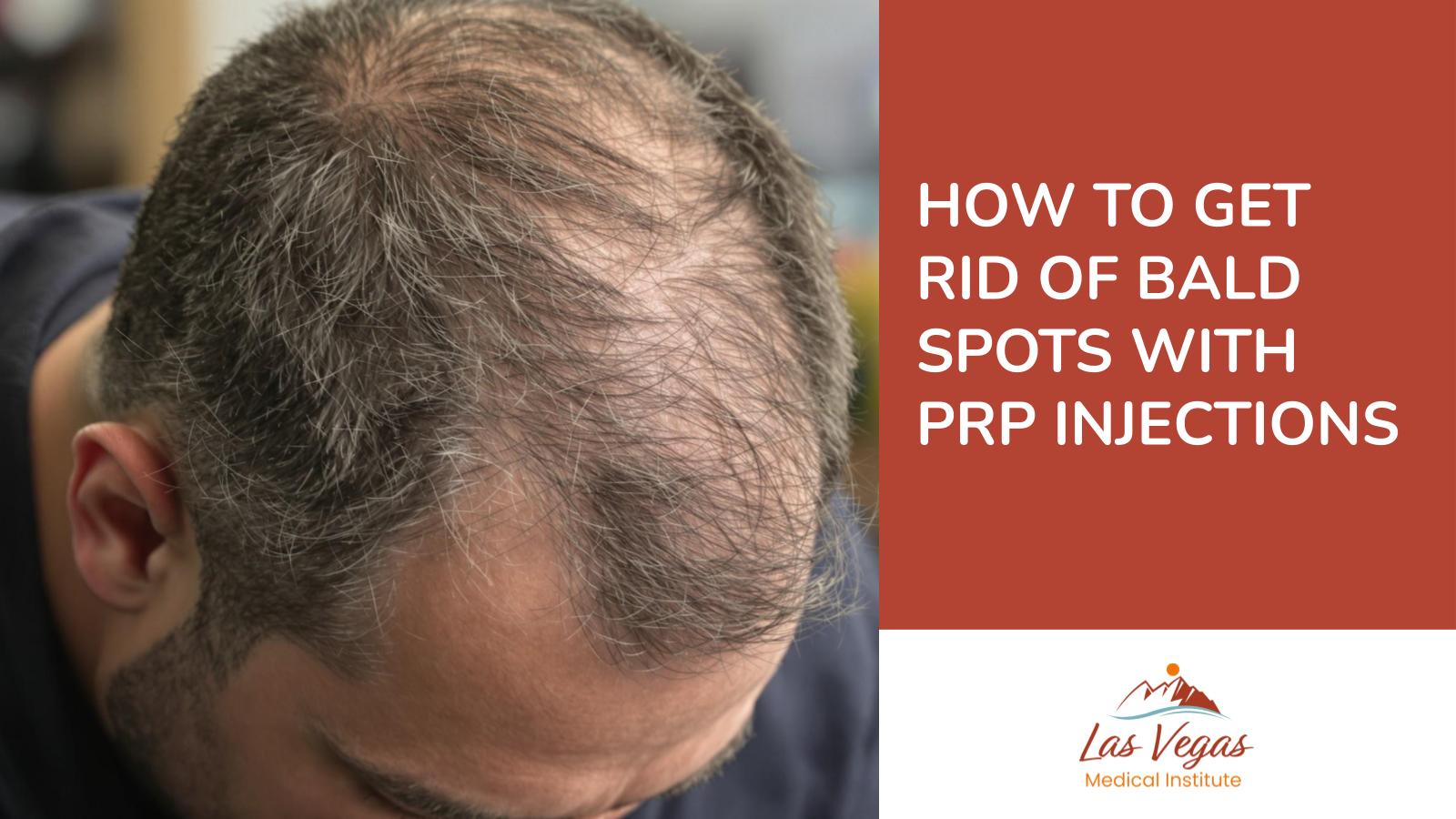
How to get rid of bald spots with platelet-rich plasma (PRP) injections starts with one key idea: if hair follicles are still alive, they can often be reactivated. PRP (platelet-rich plasma) injections use a person's own blood components to stimulate hair follicles, promote hair growth, and gradually fill in bald spots and thinning areas.
For many men and women with androgenetic alopecia or patchy hair loss, PRP can reduce shedding within a few months, increase hair density by around 30–40%, and lead to visibly fuller hair over 6–12 months. It's especially effective when bald spots still contain a few hairs and the follicles are weakened, not destroyed. Treatment involves a series of injections, not a one-time quick fix, but a structured plan that targets the affected area specifically.
PRP injections work by concentrating platelets from your own blood and injecting them into thinning areas to deliver growth factors.
The best candidates for PRP for bald spots have early to moderate androgenetic alopecia or mild patchy hair loss, and understand that results are gradual, not instant.
A typical PRP treatment plan involves 3–6 initial sessions spaced 4–6 weeks apart, with maintenance every 3–6 months to sustain fuller coverage and slow ongoing hair loss.
PRP for bald spots is generally safe with mild, temporary side effects like tenderness or swelling.
If PRP is not suitable or bald spots are fully smooth and long‑standing, alternatives such as minoxidil, hair transplant surgery, hairstyles, wigs, or embracing a shaved look may offer better or more practical results.
What Causes Bald Spots And When PRP Might Help
Bald spots can come from several different causes, and PRP injections only help when living hair follicles remain in the skin. Understanding the cause is the first step before any treatment options are chosen.
Common Types Of Bald Spots
Most people asking how to get rid of bald spots are dealing with androgenetic alopecia, also called hereditary hair loss or pattern baldness. In this condition, hormones and family history gradually shrink hair follicles, leading to thinning hair on the crown or receding hairlines.
In early hair loss stages, there are still patches of hair and some hair density left, even if the scalp shows through. These weakened follicles can often respond to PRP, which promotes hair regrowth and helps existing hair grow thicker and stronger. When the scalp is completely smooth and shiny, follicles may be gone, and PRP is less likely to help.
Alopecia Areata
Another common cause of bald patches is alopecia areata, an autoimmune disease where the immune system attacks hair follicles. People suddenly lose hair in round or oval patches of hair on the scalp or body. Some individuals with mild or moderate patchy hair loss from alopecia areata may see benefit, especially if other medications are used alongside PRP under specialist supervision.
Scarring and Traumas
Bald spots can also follow physical trauma, scarring skin conditions, severe scalp irritation, chemical burns, or tight styling techniques that damage follicles. When scar tissue replaces normal skin, hair follicles may be permanently destroyed. In those cases, hair transplant surgery is usually more appropriate than PRP.
Who Is (And Is Not) A Good Candidate For PRP
PRP works best for men and women with early to moderate thinning hair rather than completely bare, long‑standing bald patches. If there are still a few hairs in the affected area and the scalp shows miniaturized, fine hair, PRP has something to work with.
A healthcare provider will typically start with a physical exam of the scalp and a detailed history of hair loss, family history, medications, and styling products used. They may also order a blood test to check overall health, hormone issues, vitamin levels, and platelet counts, because low platelets can reduce PRP effectiveness.
Still have visible hair follicles and some hair density.
Are willing to attend several sessions over a few months.
Understand that results vary and there are possible side effects.
Not A Good Candidate
People are usually not ideal candidates if they have extensive shiny baldness, active scalp infections, uncontrolled autoimmune diseases, blood clotting disorders, or very low platelet counts. Individuals taking certain medications that affect platelets may also need clearance from their doctors.
Someone looking for an instant, one‑session permanent solution is also likely to be disappointed. PRP is a gradual process that supports new hair growth and slows further hair loss, rather than a quick cosmetic cover‑up like a wig or buzz cut.
How PRP Injections Work For Bald Spots
PRP injections concentrate platelets from a person's own blood and deliver them directly into thinning areas of the scalp, where they can influence hair follicles and the surrounding skin environment.
The Science Behind Platelet-Rich Plasma
Platelets are tiny blood cells best known for helping blood clot after injury. They also carry growth factors, which are proteins used to treat damaged tissues in several medical fields. In PRP, clinicians separate platelets from whole blood and concentrate them for therapeutic use.
During preparation, a small sample of blood is drawn and spun in a centrifuge. This separates the red blood cells from plasma that contains platelets. The platelet‑rich portion is then extracted for injection. Because PRP is autologous, the risk of allergic reaction is very low compared with many other treatments.
These concentrated platelets release growth factors once injected into the scalp. Those proteins signal surrounding cells, support microcirculation, and help create conditions that promote hair growth.
How PRP Stimulates Hair Follicles
Hair follicles cycle through growth and resting phases. In hereditary baldness, follicles spend shorter periods in active growth and produce thinner strands of hair. Over time, patches of hair become wispy, and the scalp becomes visible.
PRP appears to help by encouraging follicles to stay in the growth phase longer and by improving the health of the follicle environment. Growth factors may enhance blood supply around follicles and support the cells that actually make hair. When that happens, hair can regrow thicker and stronger.
In practical terms, people often first notice reduced shedding within one to two months. Next, they see subtle new hair growth in thinning areas around three to four months after starting a PRP hair transplant procedure series. By six months, many notice better coverage, improved hair color richness, and more styling options.
PRP will not create entirely new follicles where none exist. If bald spots are completely smooth and have lacked hair for many years, PRP is less likely to produce visible new hair growth. In those situations, hair transplant surgery, a shaved bald look, or a new hairstyle that blends thinning areas may be more realistic choices.
Results And Alternatives To PRP Injections
Anyone considering PRP for bald spots needs clear expectations about how well it works, how long results last, and what else might help if it is not suitable.
Typical Results And How Long They Last
Clinical research suggests that, in appropriately selected patients, PRP can slow further hair loss, increase hair density, and improve overall hair quality. Many notice less shedding within the first couple of months.
Results are not permanent without maintenance. Because androgenetic alopecia and some autoimmune processes continue, many providers recommend repeat treatments every three to six months. With periodic sessions, improvements can be sustained for years.
Other Options If PRP Is Not Right For You
PRP is only one way to approach how to get rid of bald spots, and it is not ideal for every person or every cause of hair loss. Fortunately, there are several alternatives.
Minoxidil
Topical minoxidil, often recognized under the brand name Rogaine, is widely used to treat androgenetic alopecia. It is applied topically to the scalp once or twice daily and can help some people regrow hair or slow thinning. But, it requires ongoing, consistent use and has possible side effects like dryness or irritation.
Hair Transplant
For individuals with advanced baldness or long‑standing smooth patches, hair transplant surgery may offer better cosmetic improvement. Transplantation redistributes healthy body hair from dense areas on the head to bald spots, creating lasting coverage when performed by skilled surgeons.
Oral Medications
Other treatments include certain oral medications prescribed by physicians, especially for hereditary hair loss, though these carry systemic possible side effects and need careful monitoring. In autoimmune conditions such as alopecia areata, targeted immune‑modulating medications may be necessary.
Stylish Techniques
Some people prefer non‑medical approaches. A new hairstyle, strategic hair products that add volume, or a well‑chosen wig can dramatically change appearance without injections or medications. For others, embracing a clean shave or bald look provides confidence with minimal ongoing effort.
The best plan is individualized, blending medical treatments, self care, and styling techniques according to each person's goals, health, and degree of hair loss.
Frequently Asked Questions About How to Get Rid of Bald Spots With PRP Injections
How do PRP injections help get rid of bald spots?
PRP injections use your own platelet-rich plasma to deliver growth factors directly into thinning areas of the scalp. These signals help weakened hair follicles stay longer in the growth phase, improve blood supply, and thicken existing hairs, which can gradually make bald spots look fuller over 6–12 months if follicles are still alive.
Am I a good candidate for PRP to treat bald spots?
You’re most likely a good PRP candidate if you have early to moderate thinning, androgenetic alopecia, or mild patchy hair loss and still see some hairs in the bald spot. People with completely smooth, shiny, long‑standing bald patches, severe scarring, active infections, or very low platelets are less suitable.
How many PRP sessions do I need for bald spots and when will I see results?
Most treatments involve three to six PRP sessions spaced four to six weeks apart, followed by maintenance every 3-6 months. Many people first notice less shedding within one to two months, early regrowth by three to four months, and visibly fuller coverage of bald spots around six to twelve months.
What is the cost of PRP injections for bald spots in Fresno, CA?
PRP pricing in Fresno, CA is around $1,000 to $2,000, it varies by how large an area needs treatment. Because it’s considered cosmetic, most insurance plans do not cover PRP for bald spots. Patients typically pay out of pocket and should request a written estimate in advance.
Conclusion and Summary of How to Get Rid of Bald Spots With PRP Injections
For many individuals struggling with thinning hair and small bald patches, PRP injections offer a targeted, research‑supported way to promote hair growth and improve hair density. Results come gradually over a few months, not overnight, and depend heavily on whether hair follicles remain alive.
A thorough evaluation with a qualified healthcare provider is essential to confirm the cause of hair loss, rule out underlying disease, and decide the approach makes the most sense. With realistic expectations and a clear plan, people can move from worrying about bald spots to taking confident, informed steps toward the appearance they want.
Ready to Restore Your Hair with Non-Surgical Hair Restoration in Las Vegas?
Thicker Hair. Natural Regrowth. No Downtime.
Unlike hair transplants that require invasive surgery, scarring, and weeks of recovery, our advanced platelet-rich plasma PRP hair restoration uses your body's own healing platelets to naturally stimulate hair follicles and regrow your hair. It's like waking up dormant follicles and giving them the growth factors they need to thrive again.
This isn't hiding under toupees or settling for temporary hair replacement systems. Our medical-grade hair restoration without surgery delivers concentrated growth factors directly into your scalp, targeting the root cause of thinning and triggering natural regrowth where you need it most.
Are You Experiencing These Common Hair Loss Problems?
Receding hairline that keeps moving back.
Thinning crown that’s becoming more visible.
Bald spots that won’t fill in.
Male pattern baldness affecting your confidence.
Female pattern baldness that’s getting worse.
Patchy hair loss in multiple areas.
Frontal hairline thinning and recession.
Sudden hair loss that appeared out of nowhere.
Experience Benefits You Can Actually FEEL:
Natural hair regrowth without surgery or scars.
Thicker, fuller hair that’s actually yours.
No more hiding under toupees or wigs.
Effective non-surgical hair restoration for men and women.
Minimally invasive with no downtime.
Safe, natural solution using your own blood platelets.
Real hair replacement from your own follicles.
And much more!
Why settle for temporary cover-ups or invasive transplants when you can regrow your own hair naturally? PRP hair restoration is trusted by men and women worldwide who've experienced real regrowth in areas they thought were gone forever. Many patients see visible improvements within months, with continued thickening over time.
At Las Vegas Medical Institute, we blend advanced PRP hair restoration technology with physician-led expertise for hair restoration results that restores your hair, appearance, and your confidence.
Ready to regrow your hair naturally? Schedule Your Hair Restoration Consultation here, or call us today at (702) 577-3174 and discover how non-surgical hair restoration is helping men and women across Las Vegas reclaim their full, healthy hair!
Cover Photo Illustration by: By Las Vegas Medical Institute.
Ultherapy vs Morpheus8 comes down to lifting vs. remodeling: Ultherapy uses focused ultrasound energy to tighten sagging skin by targeting deeper layers for a non surgical facelift effect, while Morpheus8 uses microneedling and radiofrequency energy to improve skin texture, tone, and firmness through collagen and elastin production. For most patients, the "right" choice depends on…
Morpheus8 for the body is a minimally invasive, non surgical radiofrequency microneedling treatment. It tightens skin, improves texture, and can reduce small amounts of fat by delivering RF energy through tiny needles into the deeper layers. It works by creating controlled skin injury and heat at precise depths, which jump-starts the body's natural healing process…
Morpheus8 for the stomach before and after results typically show firmer abdominal skin, smoother texture, and a tighter look, because radiofrequency microneedling triggers new collagen and elastin where skin laxity and crepey skin tend to linger. It's a minimally invasive treatment designed to tighten loose skin and improve skin tone and skin texture, not a…
Morpheus8 reviews tend to land in the same place: patients like it most when they want firmer, smoother skin and are willing to do a properly planned series with a skilled provider. Morpheus8 is a microneedling plus radiofrequency energy procedure done in a medical office setting. It is designed to improve skin texture, pores, acne…