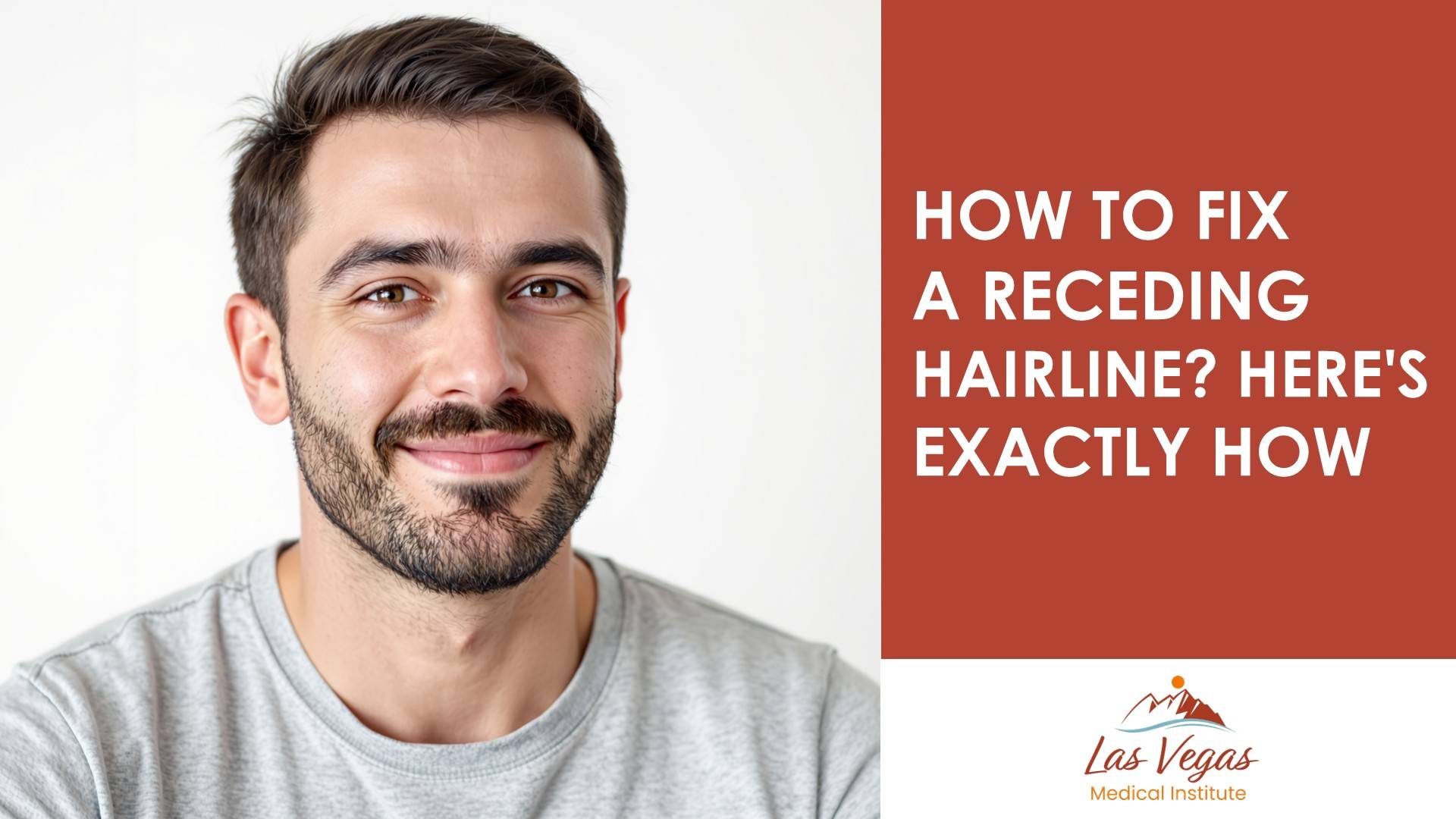
How to fix receding hairline? The best answer to how to fix a receding hairline is that while full restoration isn't always possible without surgery, there are effective ways to slow, stop, and even reverse some hairline loss. Early intervention with proven treatments, and lifestyle changes, can help maintain and sometimes regrow hair along a thinning hairline.
Addressing the underlying causes (such as male or female pattern hair loss and hair care habits), and consulting a specialist for a tailored plan. With over a decade of experience in hair restoration and ongoing clinical research, our recommendations are grounded in results and up-to-date medical consensus.
Topical minoxidil and prescription medications like finasteride can help stop a receding hairline and promote hair regrowth.
Lifestyle changes such as balanced nutrition, managing stress, and avoiding tight hairstyles support healthy hair growth.
Consulting a hair restoration specialist ensures a personalized plan for your specific type of hair loss.
Surgical options like hair transplants offer a permanent solution for advanced hairline recession.
Causes of a Receding Hairline
A receding hairline almost always develops gradually, rarely overnight, and knowing the root causes is essential to finding the right solution. The most common culprit? Genetics. Specifically, androgenetic alopecia, better known as male or female pattern hair loss, drives most hairline recession.
Genetics and Hormones: The Leading Contributors
Androgenetic alopecia is influenced by a genetic predisposition. When DHT (dihydrotestosterone) levels rise, especially in those genetically susceptible, hair follicles along the hairline shrink and produce thinner hair. Over time, these follicles may stop generating new hairs entirely, leading to visible thinning hair or bald spots.
Both men and women can experience hairline recession caused by hormones, though the patterns differ. Male pattern baldness usually starts with a receding hairline and temples, while female pattern hair loss tends to cause more diffuse thinning.
Other Factors in Hairline Recession
Tight or pulling hairstyles (think braids, ponytails, or hair extensions) can lead to traction alopecia, a mechanical form of hair loss. Frontal fibrosing alopecia, an inflammatory scalp disease, can also cause the hairline to recede, this is more common in post-menopausal women. Beyond that, aging, certain medications (such as chemotherapy drugs), hormonal changes, harsh hair treatments, smoking, and underlying health conditions (like lupus) can all contribute to hairline recession.
It's important to differentiate the cause of your hair loss. Early assessment by a specialist offers the best starting point for a customized treatment plan.
Lifestyle Changes to Slow Hairline Recession
Lifestyle choices play a bigger role in hair health than many people realize. A few targeted adjustments can help stop a receding hairline from progressing and may encourage hair growth, even if genetics set the baseline.
Nutrition, Stress, and Hair Health
Eating a balanced diet rich in protein, iron, vitamin D, zinc, and B vitamins is foundational for healthy hair growth. Deficiencies in these nutrients are linked to thinning hair and a lower hair density. Avoid crash diets or overly restrictive eating: the hair follicles require consistent nourishment to function optimally.
Chronic stress can also trigger shedding and disrupt the hair growth cycle. Effective stress management, through exercise, quality sleep, mindfulness, or relaxation techniques, not only supports overall health but can reduce hair thinning. Hair loss solutions that address both internal (diet, stress) and external (hair care) factors offer the best results.
Avoiding Harmful Habits and Hairstyles
Smoking diminishes blood flow to hair follicles, negatively affecting hair regrowth. Limiting or eliminating tobacco and moderating alcohol intake will benefit both your hair and general well-being.
On the styling front, steer clear of tight hairstyles that pull on the hairline (such as tight braids or ponytails) to prevent traction alopecia. Opt for looser styles, gentle shampoos, and minimize heat or aggressive brushing. Harsh chemical treatments, straighteners, dyes, perms, can cause breakage and worsen thinning areas. Supporting hair health with mindful habits is a critical piece of stopping hair loss before it worsens.
Medical Treatments for a Receding Hairline
When lifestyle changes alone aren't enough to stop hair loss, medical treatments offer proven options. Scientific advances have led to several FDA-approved therapies and promising new techniques for receding hairline treatment, tailored to the type of hair loss you have.
Minoxidil: Topical Solution for Hair Growth
Topical minoxidil is widely recognized for its hair growth-promoting effects in both men and women. Available over-the-counter, it stimulates blood flow and can reactivate shrinking hair follicles. Consistent use twice daily can slow hair thinning and support hair regrowth, often within a few months. But, results vary, and stopping use typically leads to renewed loss.
Prescription Medications and Hormonal Therapies
Finasteride (for men) is an oral prescription that lowers DHT, addressing the hormonal driver behind male pattern baldness. It's been shown to not only stop a receding hairline from worsening but also to regrow hair for some users. For women or those who can't use finasteride, other options like spironolactone, hormone therapy, and, if inflammatory or autoimmune issues are involved, steroids or hydroxychloroquine may be considered.
All prescription medications should be monitored by a specialist, as side effects and effectiveness can vary based on the underlying health condition and individual risk factors.
Laser Therapy and PRP/PRF Injections
Low-level laser therapy (LLLT) uses specific wavelengths of light to stimulate hair follicles and encourage growth. Some studies report higher hair density and thicker existing hair when used as part of a broader treatment plan.
Platelet-rich plasma (PRP) and platelet-rich fibrin (PRF) injections rely on your own healing factors to stimulate hair follicles, and while results can be subtle, they provide another tool for those exploring non-surgical hair restoration.
Hair Transplant and Surgical Options
For advanced hairline recession, or when non-surgical therapies aren't enough, surgical hair restoration may provide the most dramatic and permanent solution.
Hair Transplantation (FUE/FUT)
Hair transplant surgery involves moving follicles from a denser area, usually the back of the scalp, to the receding hairline. Two main techniques are used: follicular unit extraction (FUE), which harvests individual follicles, and follicular unit transplantation (FUT), which transplants strips of scalp. Both aim to restore a natural-looking hairline and fuller hair, with results visible over several months as transplanted follicles integrate and grow.
For those wanting a permanent solution, a hair transplant is currently the gold standard. But, suitability depends on hair type, amount of donor hair available, and individual goals. Consultation with an experienced hair restoration surgeon is crucial to set expectations and design the ideal hairline.
Hairline Lowering and Scalp Micropigmentation
In select cases, especially women with a naturally high hairline, hairline lowering surgery may be appropriate. This procedure surgically advances the frontal hairline. Scalp micropigmentation, meanwhile, uses medical tattooing to create the appearance of greater density or conceal thinning areas, though it doesn't promote hair growth or address the underlying cause of pattern baldness.
Preventing Further Hair Loss
Early intervention is the most effective way to support healthy hair and slow a receding hairline. If you're noticing increased hair shedding or a thinning hairline, don't wait for bald spots to appear before seeking help.
Evaluation and Personalized Plans
A experience specialist can diagnose the type of hair loss, rule out treatable conditions, and develop a comprehensive treatment plan. This may include lifestyle advice, over-the-counter solutions, prescription medication, or referrals for more advanced procedures. Identifying risk factors or underlying health conditions, makes it easier to adjust habits and halt further loss.
Long-Term Maintenance
Consistency is key. Medications like minoxidil and finasteride require long-term, regular use to keep results. Supportive habits such as eating a healthy diet, managing stress, and practicing gentle hair care will benefit both current and future hair health. Remember, early action provides the best shot at preserving fuller hair.
PRP Hair Restoration at Las Vegas Medical Institute
Platelet-Rich Plasma (PRP) hair restoration gives patients a non-surgical way to address thinning hair and weakened follicles using their body's own growth factors. The process begins with a simple blood draw. The sample is placed in a centrifuge to separate the platelet-rich portion, which contains concentrated proteins that support healing and cellular activity. This PRP is then injected into areas of thinning to help energize dormant follicles, improve hair density, and strengthen existing strands.
At Las Vegas Medical Institute, PRP hair restoration is tailored to each patient’s pattern and degree of thinning. Treatments are performed in a comfortable office setting, and most people return to normal activities the same day. Many patients appreciate that PRP uses their own biological material, reducing the chance of reactions while offering a natural approach to fuller, healthier-looking hair. When combined with supportive habits, PRP becomes a reliable tool for enhancing growth and slowing ongoing shedding. This makes it a strong choice for men and women wanting meaningful improvement without surgery or extended downtime.
Frequently Asked Questions About How to Fix a Receding Hairline? Here’s Exactly How
What are the most effective ways to fix a receding hairline?
The most effective ways to fix a receding hairline include using topical minoxidil, prescription medications like finasteride, making lifestyle changes, and seeking specialist advice. Non-surgical treatments like PRP is also very effective for hair loss. Advanced cases might require medical therapies like PRP injections or laser treatments. More advanced cases might need procedure like a hair transplant.
Can a receding hairline be reversed without surgery?
While full restoration is rare without surgery, early intervention with proven treatments, like PRP injections, can slow or even partially reverse hairline recession in many cases. Consistent use and a personalized plan are key to achieving the best results.
What causes a receding hairline in men and women?
A receding hairline is most commonly caused by genetics (androgenetic alopecia), but factors like hormonal shifts, aging, tight hairstyles, stress, poor diet, and certain medications, can also contribute. Men often see hairline recession at the temples, while women may notice more diffuse thinning.
How soon should I see a specialist about a receding hairline?
You should consult a specialist as soon as you notice increased hair shedding or hairline thinning. Early professional evaluation increases your chances of halting or reversing progression by identifying the cause and starting effective treatments promptly.
What is the best hair transplant option for a receding hairline?
Hair transplants, such as follicular unit extraction (FUE) and follicular unit transplantation (FUT), are both effective for restoring a receding hairline. The best choice depends on your hair type, goals, and donor hair availability, so a consultation with a hair restoration specialist is essential.
Conclusion and Summary of How to Fix a Receding Hairline? Here’s Exactly How
Fixing a receding hairline starts with understanding what's causing it and tailoring a strategy to your individual needs. While male and female pattern hair loss are the leading drivers, lifestyle habits, stress, tight hairstyles, and certain medical conditions can all play a role.
Progressive, evidence-based treatments, ranging from minoxidil and finasteride to PRP therapy or hair transplants, offer real hope. Most importantly, acting early and partnering with a hair restoration specialist increases the odds of stopping or even reversing a thinning hairline. There's no single solution for every scalp, but with the right blend of medical, lifestyle, and supportive measures, it's possible to restore confidence and maintain healthy hair growth for years to come.
Ready to Restore Your Hair with Non-Surgical Hair Restoration in Las Vegas?
Thicker Hair. Natural Regrowth. No Downtime.
Unlike hair transplants that require invasive surgery, scarring, and weeks of recovery, our advanced platelet-rich plasma PRP hair restoration uses your body's own healing platelets to naturally stimulate hair follicles and regrow your hair. It's like waking up dormant follicles and giving them the growth factors they need to thrive again.
This isn't hiding under toupees or settling for temporary hair replacement systems. Our medical-grade hair restoration without surgery delivers concentrated growth factors directly into your scalp, targeting the root cause of thinning and triggering natural regrowth where you need it most.
Are You Experiencing These Common Hair Loss Problems?
Receding hairline that keeps moving back.
Thinning crown that’s becoming more visible.
Bald spots that won’t fill in.
Male pattern baldness affecting your confidence.
Female pattern baldness that’s getting worse.
Patchy hair loss in multiple areas.
Frontal hairline thinning and recession.
Sudden hair loss that appeared out of nowhere.
Experience Benefits You Can Actually FEEL:
Natural hair regrowth without surgery or scars.
Thicker, fuller hair that’s actually yours.
No more hiding under toupees or wigs.
Effective non-surgical hair restoration for men and women.
Minimally invasive with no downtime.
Safe, natural solution using your own blood platelets.
Real hair replacement from your own follicles.
And much more!
Why settle for temporary cover-ups or invasive transplants when you can regrow your own hair naturally? PRP hair restoration is trusted by men and women worldwide who've experienced real regrowth in areas they thought were gone forever. Many patients see visible improvements within months, with continued thickening over time.
At Las Vegas Medical Institute, we blend advanced PRP hair restoration technology with physician-led expertise for hair restoration results that restores your hair, appearance, and your confidence.
Ready to regrow your hair naturally? Schedule Your Hair Restoration Consultation here, or call us today at (702) 577-3174 and discover how non-surgical hair restoration is helping men and women across Las Vegas reclaim their full, healthy hair!
Cover Photo Illustration by: Las Vegas Medical Institute.
Las Vegas Medical Institute earns top honors in the 2026 Best of Beauty awards, solidifying its reputation as a premier destination for regenerative medicine in Las Vegas.Las Vegas Medical Institute (LVMI) has been named "Best Regenerative Medicine" by Modern Luxury Vegas Magazine as part of its highly anticipated 2026 Best of Beauty awards. The distinction…
Morpheus8 for acne scars is considered highly effective because it combines microneedling and radiofrequency (RF) energy to remodel scarred skin from the deeper layers up. It improves the appearance of acne scars by about 40–70% across common scar types when done in a medical office setting. It works by using tiny needles to deliver controlled…
Morpheus8 neck before and after results typically look like a smoother, firmer neck with softer neck lines and a more contoured transition from the lower face to the neck, without surgery. Morpheus8 is a radiofrequency microneedling treatment designed to trigger deeper collagen production, so the skin gradually tightens as collagen remodeling builds over weeks and…
A Morpheus8 face treatment is a minimally invasive radiofrequency microneedling procedure that tightens, smooths, and refreshes facial skin by delivering RF energy through tiny needles to kick-start new collagen production in the deeper layers. In practical terms, it helps improve skin laxity, soften fine lines wrinkles, refine skin texture, and reduce the look of acne…