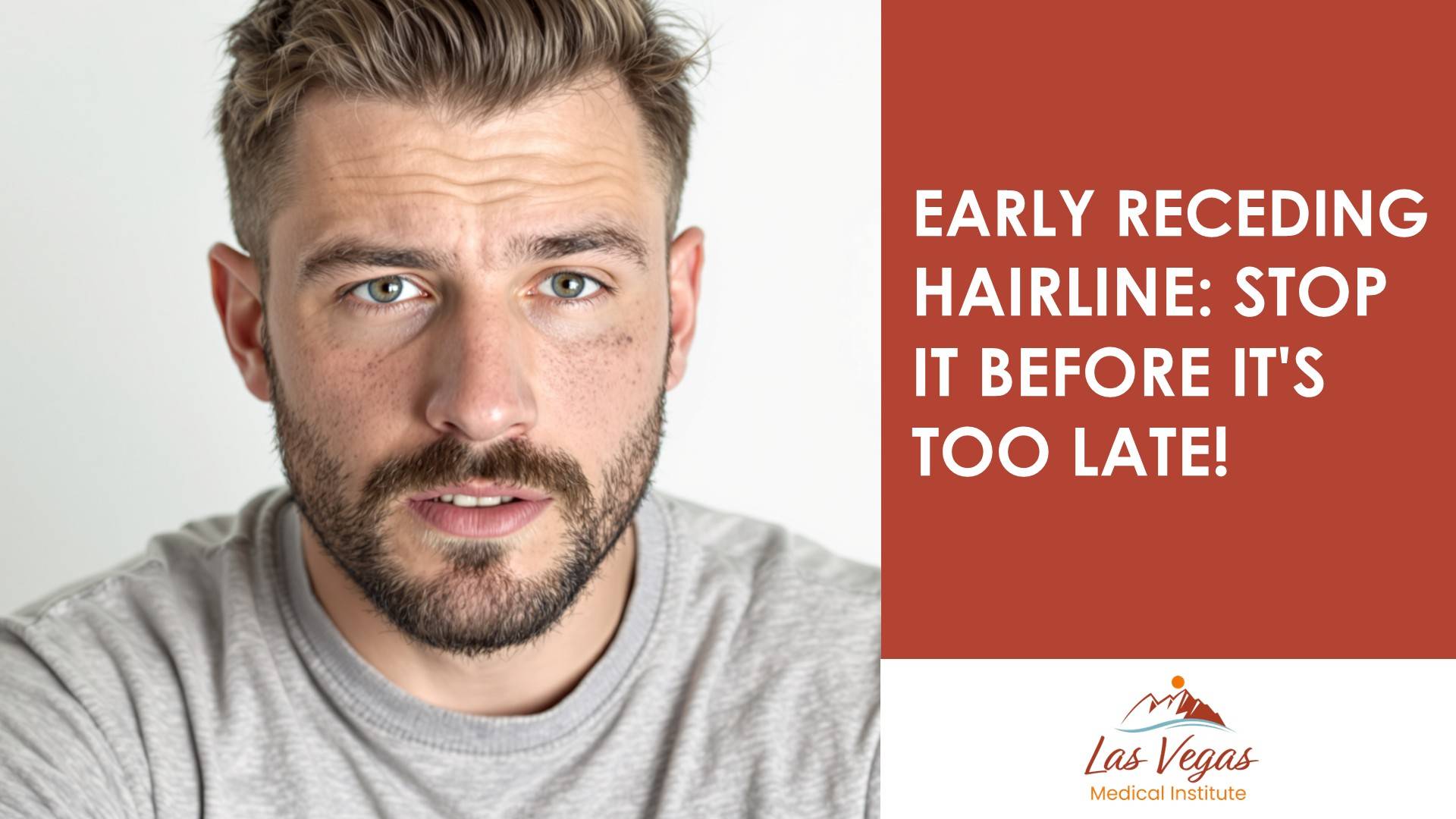
An early receding hairline signals the initial stage of hair loss. It's where hair at the front of the scalp moves back, often becoming a worry for many men and women in their 20s or 30s. This change, most commonly caused by androgenetic alopecia (male or female pattern hair loss), is closely linked to genetic factors, hormones, and lifestyle habits. If you're noticing your hairline receding, don't panic, early intervention can slow or even halt further hair loss. Key steps include watching for the early signs, managing health and nutrition, and knowing when to see a professional.
With years of experience in treating thousands of hair loss cases, we've seen first-hand how timely care preserves healthy hair and confidence. With thorough research and clinical insight, this article will clarify what triggers an early receding hairline, how to recognize it, and what you can do next.
Key Takeaways of Early Receding Hairline
An early receding hairline often starts in your 20s or 30s due to genetics, hormones, and lifestyle factors.
Catching the early signs of a receding hairline allows you to slow or even halt further hair loss with timely intervention.
Proper nutrition, gentle hair care, and managing stress are effective strategies to reduce the risk of early hairline recession.
Medical treatments, PRP or exosome therapies or low-level laser therapy can help restore hair growth when lifestyle changes aren’t enough.
Seeing a specialist is crucial if you notice rapid, patchy, or severe receding hairline, especially before age 20.
What Is an Early Receding Hairline?
Noticing a shift in your hairline can be unsettling, but understanding what's really happening can help. An early receding hairline refers to the gradual loss of hair along the forehead and temples, often the first visible cue of androgenetic alopecia. This pattern is not just limited to men: women can also experience front or side thinning, sometimes linked to conditions like frontal fibrosing alopecia.
Early Receding Hairline Across Genders
For men, early signs often appear in the late teens or twenties, with the hairline forming an "M" shape or becoming uneven. This is the initial step in male pattern baldness. Women, meanwhile, may notice a widening part or overall thinning without the classic receding "M." For some women post-menopause, the frontal hairline recedes more noticeably.
Connection to Hair Growth Cycles
The underlying issue often involves a shortened hair growth cycle. Hair follicles shrink under the influence of hormones like dihydrotestosterone (DHT), so hair doesn't reach its full length or thickness before shedding. The result? Gradual thinning that can progress if left untreated.
Common Causes of Early Receding Hairlines
Understanding why a hairline starts to recede early empowers better prevention and treatment. Multiple factors contribute to the problem, but genetics tops the list.
Genetic and Hormonal Influences
Most people with a receding hairline have a family history of similar hair loss. Male and female pattern hair loss, formally called androgenetic alopecia, is inherited from either parent. Hormonal factors, especially elevated DHT in men, accelerate hair follicle miniaturization and hair thinning.
Other Triggers: Medical, Medications, and Lifestyle
Hormonal changes play a role in women, from pregnancy to menopause or thyroid conditions. Certain medical treatments (chemotherapy, antidepressants), sudden illnesses, and autoimmune diseases like alopecia areata can also kickstart early shedding. Bad habits like chronic stress, poor nutrition, smoking, or aggressive hair care further put you at risk for earlier hairline recession.
How to Spot the Early Signs
Catching hairline changes early offers the best shot at slowing hair loss and boosting hair regrowth. So, what should you look for?
First Visual Clues
The most obvious sign is a hairline that gradually moves upwards at the temples, creating a classic "M" or v-shaped pattern in men. Women may notice a widening part, thinning around the forehead or sides, or a general decrease in hair volume up front. Sometimes extra shedding is obvious on pillows or after showering, which signals hair follicles are releasing hair earlier than normal.
Other Early Indicators
Additional red flags include sudden or patchy bald spots (more common in alopecia areata), new itchiness or tenderness on the scalp, and visible thinning at the crown. Frontal fibrosing alopecia, a less common type, can involve eyebrow or body hair loss, especially in women over 50. If multiple family members have experienced similar hairline recession, genetic factors greatly increase your risk.
Myths and Facts About Receding Hairlines
Hair loss is surrounded by misconceptions that add unnecessary anxiety. Shedding some light on what's true and what's not can save your hair, and your sanity.
Common Misconceptions Explained
Myth: Only older men experience a receding hairline.Fact: Early receding hairlines can start in the late teens or twenties, for both men and women with hereditary risk.
Myth: Hats and frequent washing cause hair loss.Fact: Neither hats nor regular shampooing contribute to androgenetic alopecia. But, harsh chemicals and tight hairstyles may aggravate hair thinning.
Myth: You only inherit receding hair from your mother.Fact: Pattern hair loss genes can come from either parent, don’t just blame your mom’s side.
Myth: Once lost, hair never returns.Fact: Not all hair loss is permanent. Sudden hair loss or thinning triggered by stress, poor nutrition, or medical events can often be reversed with the right treatment.
What Really Reduces Hair Thinning?
Gentle hair care and a balanced lifestyle help preserve existing follicles, Meaningful improvements usually requires targeted treatments that support circulation, nourish the scalp, and encourage new growth. Early action matters, once follicles shrink too much, they become harder to revive, so recognizing the early signs of thinning gives you a better chance of keeping your hair fuller for longer.
Medical treatments such as PRP therapy, exosomes, and other regenerative options offer stronger support. By delivering concentrated biological signals directly to areas of thinning, these therapies offers hope to those with hair loss. These treatments can strengthen weak follicles, improve density, and slow ongoing shedding. When paired with supportive habits like reducing heat styling, managing stress, and using scalp-friendly products, patients create a stronger foundation for long-term hair health and visible improvement.
Prevention and Lifestyle Strategies
Proactive steps can make a dramatic difference in slowing or stabilizing an early receding hairline, especially for those with a family history of hair loss.
Nutrition and Scalp Health
Eating a balanced diet rich in protein, iron, zinc, and vitamins like D, A, and B complex supports healthy hair growth. Nutrient deficiencies can worsen hair thinning. Gentle hair care strategies, avoiding vigorous brushing, extreme heat, and harsh chemicals, help maintain healthy hair follicles. Scalp massage and regular cleansing with mild shampoos can enhance blood flow and scalp health without damaging delicate scalp tissue.
Lifestyle Adjustments
Limiting alcohol, quitting smoking, and managing stress are also crucial. High stress levels can disrupt the hair growth cycle, leading to increased shedding. Those prone to tight hairstyles (like ponytails or braids) should wear hair loosely to prevent traction alopecia, another cause of frontal hairline recession. Regular exercise and good sleep further support cell growth vital to sustaining a thicker, healthier hairline.
Address Underlying Health Problems
Untreated thyroid disease, PCOS, or scalp infections accelerate hair thinning. Consulting a medical professional to check for hormonal imbalances or chronic illness is wise if changes in your hairline are sudden or severe.
Minoxidil: This topical foam or liquid promotes hair regrowth by extending the growth cycle. FDA-approved for both men and women, it can increase hair thickness if used consistently.
Finasteride: Approved for men only, this oral medication blocks DHT, the hormone responsible for shrinking hair follicles in male pattern baldness. Dutasteride, another anti-androgen, is sometimes prescribed off-label for similar reasons.
Anti-androgens for women: Spironolactone may slow female pattern baldness in women with hormonal imbalances, but always under a physician’s guidance.
Advanced and Procedural Options
Low-Level Laser Therapy (LLLT): Laser caps or combs can help stimulate hair growth, though results vary.
Ketoconazole shampoos: These reduce scalp inflammation and support scalp health when used regularly.
Platelet-Rich Plasma (PRP) injections: An emerging option, PRP uses your body’s growth factors to stimulate hair follicles, with several studies now supporting its hair growth promoting effects.
Hair transplant surgery: For advanced hairline recession or bald spots, surgical transplantation offers permanent hair restoration using your own healthy hair follicles. Techniques like FUE or FUT have made this safer and more effective than ever.
Early intervention is key, results improve dramatically when treatments start during the first stages of hairline receding.
When to Seek Professional Help
Sometimes, receding hairlines need more than just good habits or over-the-counter hair loss treatments. Certain warning signs mean it's time to see a dermatologist:
Hairline recession begins before age 20 or progresses rapidly
Hair loss occurs alongside fatigue, weight changes, or hormonal symptoms
No improvement after 6–12 months of at-home treatment
A professional can diagnose the type of hair loss, be it androgenetic alopecia, alopecia areata, or another cause, and tailor treatment options to individual needs. They may recommend oral medication, prescription treatments, or advanced interventions like PRP to restore hair growth.
Frequently Asked Questions About Early Receding Hairline: Stop It Before It’s Too Late!
What are the main causes of an early receding hairline?
An early receding hairline is commonly caused by genetics, hormonal changes, especially increased DHT, and lifestyle factors like stress, poor nutrition, and harsh hair care routines. Medical conditions and some medications can also contribute to early hairline recession in both men and women.
How can I tell if I have an early receding hairline?
Early signs include the gradual movement of the hairline at the temples, forming an “M” shape in men or a widening part in women. Increased shedding, thinning at the front, or noticeable changes in hair volume are also indicators of an early receding hairline.
Can an early receding hairline be stopped or reversed?
Early intervention can slow or sometimes halt a receding hairline. Options include lifestyle changes, improving nutrition, using FDA-approved treatments, and consulting a dermatologist for personalized solutions. Not all hair loss is permanent, especially if addressed promptly.
What are effective treatments for early receding hairline?
Treatments include topical minoxidil, oral medications like finasteride (for men) or spironolactone (for women), low-level laser therapy, ketoconazole shampoos, and PRP injections. Hair transplant surgery is an option for advanced cases. Early treatment with these methods improves results.
Is it normal to get a receding hairline in your twenties?
Yes, it is possible and not uncommon for people, especially men, to develop a receding hairline in their late teens or twenties due to genetic factors. Women can also experience early hairline recession, often influenced by hormonal changes or family history.
Do hats or frequent washing cause a receding hairline?
No, wearing hats and regular hair washing do not cause a receding hairline. However, using harsh chemicals, aggressive brushing, and tight hairstyles can aggravate hair thinning. Gentle hair care and avoiding damaging practices support healthier hair growth.
Conclusion and Summary of Early Receding Hairline: Stop It Before It’s Too Late!
An early receding hairline doesn’t have to lead to significant hair loss. Understanding the root causes, from genetics and hormones to daily habits, gives you the clarity needed to take action before thinning hair becomes more noticeable. The earlier you respond, the more control you have over preserving density, supporting healthier follicles, and improving long-term hair strength.
Real progress often comes from a combination of lifestyle improvements, consistent scalp care, and proven treatments tailored to your needs. Whether you choose options like PRP injections, or exosome therapy treatments, the key is starting early and staying proactive. With the right plan and timely support, maintaining a fuller, more confident hairline is absolutely possible.
Ready to Restore Your Hair with Non-Surgical Hair Restoration in Las Vegas?
Thicker Hair. Natural Regrowth. No Downtime.
Unlike hair transplants that require invasive surgery, scarring, and weeks of recovery, our advanced platelet-rich plasma PRP hair restoration uses your body's own healing platelets to naturally stimulate hair follicles and regrow your hair. It's like waking up dormant follicles and giving them the growth factors they need to thrive again.
This isn't hiding under toupees or settling for temporary hair replacement systems. Our medical-grade hair restoration without surgery delivers concentrated growth factors directly into your scalp, targeting the root cause of thinning and triggering natural regrowth where you need it most.
Are You Experiencing These Common Hair Loss Problems?
Receding hairline that keeps moving back.
Thinning crown that’s becoming more visible.
Bald spots that won’t fill in.
Male pattern baldness affecting your confidence.
Female pattern baldness that’s getting worse.
Patchy hair loss in multiple areas.
Frontal hairline thinning and recession.
Sudden hair loss that appeared out of nowhere.
Experience Benefits You Can Actually FEEL:
Natural hair regrowth without surgery or scars.
Thicker, fuller hair that’s actually yours.
No more hiding under toupees or wigs.
Effective non-surgical hair restoration for men and women.
Minimally invasive with no downtime.
Safe, natural solution using your own blood platelets.
Real hair replacement from your own follicles.
And much more!
Why settle for temporary cover-ups or invasive transplants when you can regrow your own hair naturally? PRP hair restoration is trusted by men and women worldwide who've experienced real regrowth in areas they thought were gone forever. Many patients see visible improvements within months, with continued thickening over time.
At Las Vegas Medical Institute, we blend advanced PRP hair restoration technology with physician-led expertise for hair restoration results that restores your hair, appearance, and your confidence.
Ready to regrow your hair naturally? Schedule Your Hair Restoration Consultation here, or call us today at (702) 577-3174 and discover how non-surgical hair restoration is helping men and women across Las Vegas reclaim their full, healthy hair!
Cover Photo Illustration by: Las Vegas Medical Institute.
Las Vegas Medical Institute earns top honors in the 2026 Best of Beauty awards, solidifying its reputation as a premier destination for regenerative medicine in Las Vegas.Las Vegas Medical Institute (LVMI) has been named "Best Regenerative Medicine" by Modern Luxury Vegas Magazine as part of its highly anticipated 2026 Best of Beauty awards. The distinction…
Morpheus8 for acne scars is considered highly effective because it combines microneedling and radiofrequency (RF) energy to remodel scarred skin from the deeper layers up. It improves the appearance of acne scars by about 40–70% across common scar types when done in a medical office setting. It works by using tiny needles to deliver controlled…
Morpheus8 neck before and after results typically look like a smoother, firmer neck with softer neck lines and a more contoured transition from the lower face to the neck, without surgery. Morpheus8 is a radiofrequency microneedling treatment designed to trigger deeper collagen production, so the skin gradually tightens as collagen remodeling builds over weeks and…
A Morpheus8 face treatment is a minimally invasive radiofrequency microneedling procedure that tightens, smooths, and refreshes facial skin by delivering RF energy through tiny needles to kick-start new collagen production in the deeper layers. In practical terms, it helps improve skin laxity, soften fine lines wrinkles, refine skin texture, and reduce the look of acne…