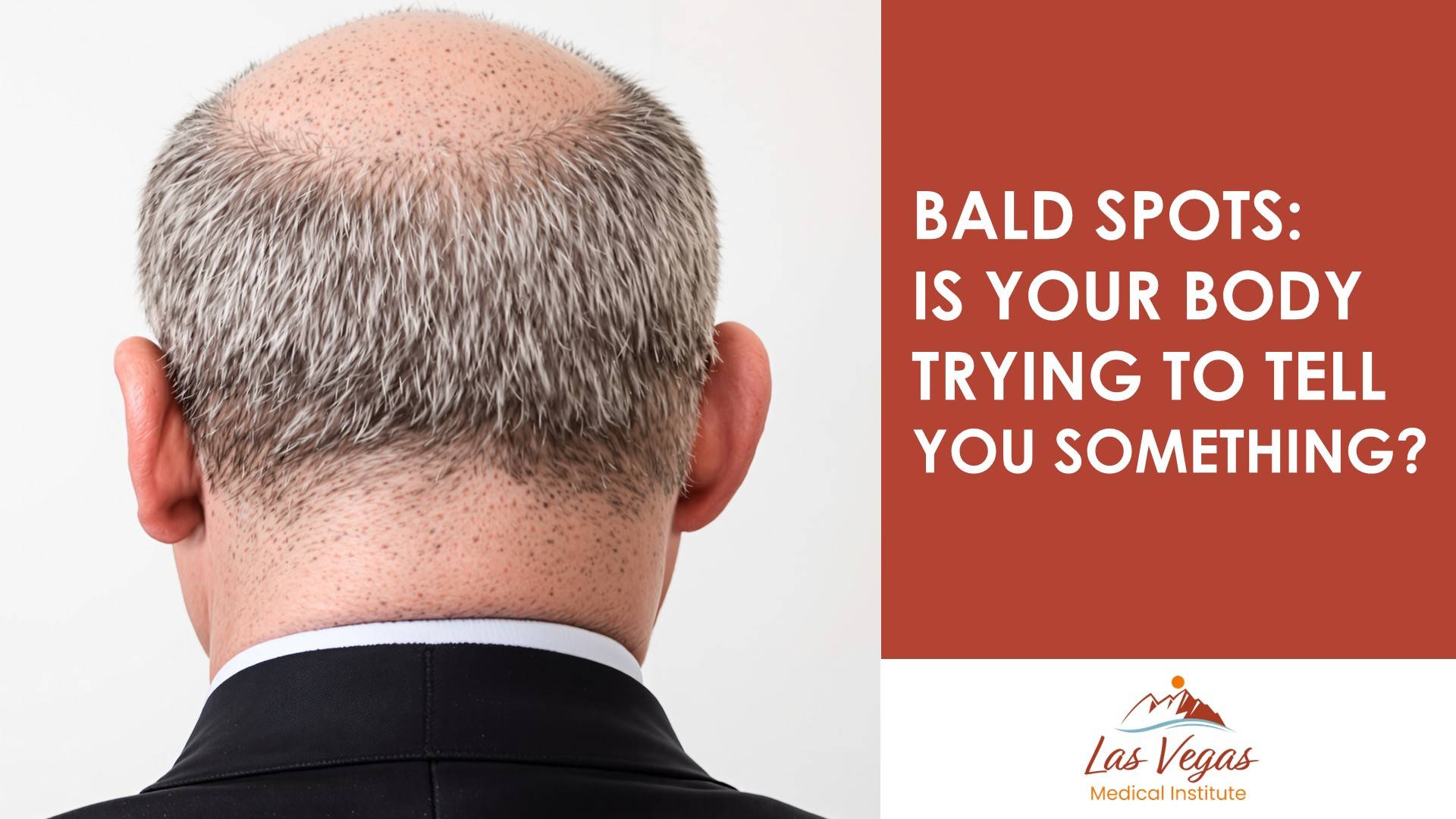
Bald spots are areas where hair loss occurs, appearing as sudden, noticeable patches on the scalp or other parts of the body. The primary causes of bald spots range from autoimmune diseases like alopecia areata, where the immune system attacks hair follicles, to patterned hair loss such as male or female pattern baldness, scalp infections, and even certain medical conditions. For anyone noticing patchy hair loss, understanding why bald spots form is the first step toward stopping further hair loss and beginning hair regrowth.
Bald spots often show up without warning, sometimes with related symptoms like nail changes, itchy or inflamed skin, or exclamation point hairs near the borders of patches. A clinical evaluation by a healthcare provider is crucial. Self-diagnosing may miss treatable problems such as thyroid disease or infections. See the best practices, the latest hair loss treatment options backed by research, and the strategies for restoring confidence after significant hair loss.
Consulting a specialist is essential for accurate diagnosis and personalized treatment of bald spots.
Common causes of bald spots include alopecia areata, pattern baldness, infections, and underlying medical conditions.
Effective treatments for bald spots range from topical medications to advanced therapies like platelet-rich plasma and hair transplantation.
Adopting healthy hair care habits and managing stress can help prevent some types of bald spots and support overall scalp health.
Emotional support and timely medical intervention empower individuals to regain hair and confidence after experiencing bald spots.
Common Causes of Bald Spots
Bald spots can be triggered by a variety of underlying conditions, and knowing the root cause will shape the best approach to treatment.
Autoimmune Disorders: Alopecia Areata and Its Variants
Alopecia areata is among the most frequent causes of patchy hair loss. This autoimmune disorder occurs when the immune system mistakenly attacks healthy hair follicles, leading to sudden, round bald patches.
In rare cases, this can advance to alopecia areata totalis (loss of all scalp hair) or alopecia areata universalis (loss of all body hair). Risk factors include a family history of autoimmune diseases, atopic dermatitis, or allergic reaction histories. Asthma and type 1 diabetes may also be linked.
Genetic and Hormonal Factors: Pattern Baldness
Another major cause is androgenetic alopecia, better known as male pattern baldness or female pattern baldness. This type of hair loss develops due to a genetic predisposition and hormonal influence, leading to gradual, symmetric thinning on the scalp.
Men whose fathers had bald spots have a 5 to 6 times higher risk of developing the same pattern. Although it most often starts later in life, it can begin as early as adolescence.
Infections and Inflammatory Diseases
Certain scalp infections can produce bald patches as well. Tinea capitis, a fungal infection, results in scaly, red patches and broken hairs (sometimes leaving black dots).
Untreated sexually transmitted infections like syphilis can also cause oval areas of hair loss. In scarring alopecia, inflammation destroys hair follicles permanently, resulting in lasting bald spots.
Additional Triggers
Less common reasons for bald spots include thyroid disease, severe physical stress, significant weight gain or loss, and reactions to some medications
Cosmetic dermatology procedures, excessive pulling or tight hairstyles (traction alopecia), and even severe allergic reactions can all contribute. Recognizing the underlying reason is key to planning an effective response.
Signs and Early Detection of Bald Spots
Spotting bald spots early can make a substantial difference in preventing further hair loss and improving hair regrowth prospects. While the most obvious signal is a distinct patch of hair loss on the scalp or another part of the body, disease characteristics often help a provider distinguish among causes.
Classic Symptoms by Type
Alopecia areata typically appears as smooth, round, sharply demarcated bald patches. The scalp and, occasionally, beard or eyebrows can be affected. Tiny dents or ridges in the nails may accompany hair loss, exclamation point hairs, which are short and narrow at the base, may be visible around the edges.
Pattern baldness (androgenetic alopecia) doesn’t form distinct spots but shows diffuse thinning, especially at the temples, crown, or part line. Gradual widening of the part or receding hairlines are telltale signs.
Scalp infections often show redness, scaling, or black dots (broken hairs). In children, tinea capitis may also cause swollen lymph nodes.
Other Warning Signs and When to Watch Closely
Keep an eye out for rapid, unexplained hair to fall, widespread hair loss, or bald patches outside the usual pattern areas. If hair loss occurs along with new symptoms, like skin changes, nail abnormalities, or symptoms of other autoimmune diseases, it's wise to consult a healthcare provider promptly. Early recognition of underlying conditions boosts the odds of successful regrowth.
Diagnosis and When to Seek Medical Advice
Getting an accurate diagnosis is the first step towards an effective solution for bald spots. A timely consultation can clarify whether the cause is direct damage to hair follicles, an autoimmune disorder, or another medical problem.
Clinical Evaluation and Tests
A healthcare provider, will perform a physical exam of the scalp and other areas where bald spots appear. They'll look for pattern clues, examine the skin, and check for signs like exclamation point hairs. A detailed medical history, including family history, risk factors for autoimmune diseases, and other symptoms, guides the assessment.
Common tests include:
Blood tests for thyroid disease or signs of other autoimmune diseases.
Scalp scrapings or fungal cultures if infection is suspected.
Occasional biopsy in rare or unclear cases, such as suspected scarring alopecia.
When Medical Attention Is Crucial
It's essential to seek medical advice if you experience sudden or significant hair loss, multiple bald patches, or new symptoms such as itchiness, rash, or nail changes. Conditions like atopic dermatitis, thyroid disease, or even underlying allergic reactions can affect hair growth, and many require targeted treatments.
Ignoring unexplained bald patches can lead to unnecessary progression and decrease the chance for full hair regrowth. Early diagnosis opens more treatment options, improves outcomes, and sometimes reveals underlying health issues you might not be aware of.
Treatment Options for Bald Spots
There is no one-size-fits-all remedy for bald spots, but many effective treatments exist, tailored to the underlying cause.
Medications and Medical Procedures
For alopecia areata, topical corticosteroid creams or steroid injections directly into bald patches often encourage new hair growth. In severe cases or for widespread hair loss, oral corticosteroids or newer medications targeting the immune system may be recommended. Topical immunotherapy and ultraviolet light treatments are available for resistant or recurrent spots.
With pattern baldness, minoxidil is a first-line treatment that can slow hair loss and stimulate hair regrowth. For some, oral agents are prescribed, especially when hormone-related factors are involved. Regenerative medicine offers options such as platelet-rich plasma therapy, which uses the body's own growth factors, and hair transplantation.
Scalp infections respond well to antifungal medicines, and hair usually regrows once the infection clears. Treating other underlying causes, like correcting thyroid disease, may reverse hair loss or prevent further hair loss from developing.
Other Treatments and Supportive Measures
Support groups, counseling, and addressing emotional well-being are sometimes as crucial as medical treatments. Severe cases or permanent scarring may need cosmetic camouflage (concealing products or wigs). There isn't always a permanent solution, but advances in therapy are continually improving results, providing hope for many who experience this kind of hair loss.
Lifestyle Changes and Preventative Strategies
Preventing bald spots starts with healthy habits and early action when problems arise. While not all types of hair loss can be stopped, proactive steps can minimize risk factors for certain cases.
Daily Habits for Scalp and Hair Health
Reduce stress: Chronic stress can disrupt the hair growth cycle, causing telogen effluvium. Practicing mindfulness, yoga, or regular physical activity can help.
Maintain a nutritious diet: Ensure adequate intake of protein, vitamins, and minerals vital for hair follicles, especially iron and vitamin D.
Gentle hair care: Avoid hairstyles that pull hair tightly and harsh chemical treatments. These can lead to traction alopecia or worsen patchy hair loss.
Early Detection and Intervention
Check for early symptoms of alopecia areata, changes in scalp appearance, or new bald patches regularly. Promptly address atopic dermatitis, fungal infections, or scalp inflammation. The sooner these are treated, the better the prospects for preventing further hair loss and promoting regrowth.
If you suspect a family member may develop alopecia areata or pattern baldness, being proactive with regular check-ups can make a real difference.
Coping With Hair Loss and Building Confidence
Hair plays a powerful role in shaping how people see themselves, and losing it, especially in patches or unexpectedly, can seriously impact self-confidence.
Emotional Support and Practical Steps
Professional support is available. Doctors not only treat the physical symptoms of bald spots but also understand the psychological toll of significant hair loss. Counseling or mental health services provide coping mechanisms, and support groups connect people dealing with similar experiences.
Small changes can help too. Many find that using hats, scarves, or cosmetic products designed for concealing bald patches boosts self-assurance while treatment is underway. For children or teens with bald spots, open family discussions or involving school counselors can make adaptation easier.
Finding Long-Term Confidence
Most types of alopecia are treatable, especially with early intervention. Stay informed, engage with support networks, and focus on overall well-being. With the right guidance and a holistic strategy, it's possible not only to regain hair, but also to rebuild confidence and self-image.
Frequently Asked Questions About Bald Spots: Is Your Body Trying to Tell You Something?
What are the most common causes of bald spots?
The most common causes of bald spots include autoimmune conditions like alopecia areata, genetic factors leading to pattern baldness, scalp infections such as tinea capitis, and other medical issues like thyroid disease or severe stress.
How can I tell if my bald spot is caused by alopecia areata or pattern baldness?
Alopecia areata typically causes smooth, round bald patches that may appear suddenly, often with nail changes or exclamation point hairs. Pattern baldness leads to gradual thinning or receding hairlines, usually at the temples, crown, or part line, rather than distinct patches.
When should I seek medical attention for a bald spot?
You should see a healthcare provider if you notice sudden or widespread hair loss, multiple bald spots, or symptoms like scalp itching, rash, or nail changes. Early diagnosis increases treatment options and successful regrowth chances for bald spots.
What treatments are available to regrow hair on bald spots?
Treatment depends on the cause. Options include topical steroids, steroid injections for alopecia areata, minoxidil for pattern baldness, antifungal medications for scalp infections, and correcting underlying conditions. Cosmetic therapies and emotional support may also help restore confidence during hair regrowth restoration.
Can lifestyle changes help prevent bald spots?
Yes, maintaining a nutritious diet, managing stress, and using gentle hair care practices may reduce your risk of hair loss from certain causes. Early detection and prompt treatment of scalp issues also help prevent permanent bald spots.
Can bald spots be a sign of a more serious health condition?
Sometimes, bald spots can indicate underlying health conditions like thyroid disease, autoimmune disorders, or infections. A professional clinical evaluation ensures the correct diagnosis and reveals any broader health issues needing attention.
Conclusion and Summary of Bald Spots: Is Your Body Trying to Tell You Something?
Bald spots can be unsettling, but understanding their causes, from autoimmune disorders like alopecia areata to pattern baldness or infections, empowers people to make informed, confident decisions. Early recognition and a professional clinical evaluation are the keys to effective treatment and, in many cases, full or partial hair regrowth.
Today's therapeutic and cosmetic advances offer more hope than ever before, but the biggest step is seeking help promptly. By taking action, leaning on both medical expertise and emotional support, anyone dealing with bald spots can reclaim both hair and self-confidence.
Ready to Restore Your Hair with Non-Surgical Hair Restoration in Las Vegas?
Thicker Hair. Natural Regrowth. No Downtime.
Unlike hair transplants that require invasive surgery, scarring, and weeks of recovery, our advanced platelet-rich plasma PRP hair restoration uses your body's own healing platelets to naturally stimulate hair follicles and regrow your hair. It's like waking up dormant follicles and giving them the growth factors they need to thrive again.
This isn't hiding under toupees or settling for temporary hair replacement systems. Our medical-grade hair restoration without surgery delivers concentrated growth factors directly into your scalp, targeting the root cause of thinning and triggering natural regrowth where you need it most.
Are You Experiencing These Common Hair Loss Problems?
Receding hairline that keeps moving back.
Thinning crown that’s becoming more visible.
Bald spots that won’t fill in.
Male pattern baldness affecting your confidence.
Female pattern baldness that’s getting worse.
Patchy hair loss in multiple areas.
Frontal hairline thinning and recession.
Sudden hair loss that appeared out of nowhere.
Experience Benefits You Can Actually FEEL:
Natural hair regrowth without surgery or scars.
Thicker, fuller hair that’s actually yours.
No more hiding under toupees or wigs.
Effective non-surgical hair restoration for men and women.
Minimally invasive with no downtime.
Safe, natural solution using your own blood platelets.
Real hair replacement from your own follicles.
And much more!
Why settle for temporary cover-ups or invasive transplants when you can regrow your own hair naturally? PRP hair restoration is trusted by men and women worldwide who've experienced real regrowth in areas they thought were gone forever. Many patients see visible improvements within months, with continued thickening over time.
At Las Vegas Medical Institute, we blend advanced PRP hair restoration technology with physician-led expertise for hair restoration results that restores your hair, appearance, and your confidence.
Ready to regrow your hair naturally? Schedule Your Hair Restoration Consultation here, or call us today at (702) 577-3174 and discover how non-surgical hair restoration is helping men and women across Las Vegas reclaim their full, healthy hair!
Cover Photo Illustration by: By Las Vegas Medical Institute.
Las Vegas Medical Institute earns top honors in the 2026 Best of Beauty awards, solidifying its reputation as a premier destination for regenerative medicine in Las Vegas.Las Vegas Medical Institute (LVMI) has been named "Best Regenerative Medicine" by Modern Luxury Vegas Magazine as part of its highly anticipated 2026 Best of Beauty awards. The distinction…
Morpheus8 for acne scars is considered highly effective because it combines microneedling and radiofrequency (RF) energy to remodel scarred skin from the deeper layers up. It improves the appearance of acne scars by about 40–70% across common scar types when done in a medical office setting. It works by using tiny needles to deliver controlled…
Morpheus8 neck before and after results typically look like a smoother, firmer neck with softer neck lines and a more contoured transition from the lower face to the neck, without surgery. Morpheus8 is a radiofrequency microneedling treatment designed to trigger deeper collagen production, so the skin gradually tightens as collagen remodeling builds over weeks and…
A Morpheus8 face treatment is a minimally invasive radiofrequency microneedling procedure that tightens, smooths, and refreshes facial skin by delivering RF energy through tiny needles to kick-start new collagen production in the deeper layers. In practical terms, it helps improve skin laxity, soften fine lines wrinkles, refine skin texture, and reduce the look of acne…