What Causes Bald Spots? Sudden & Gradual Hair Loss
Authored by: Dr. Juan Chavez, MD and Dr. Lucia Mireles-Chavez, MD
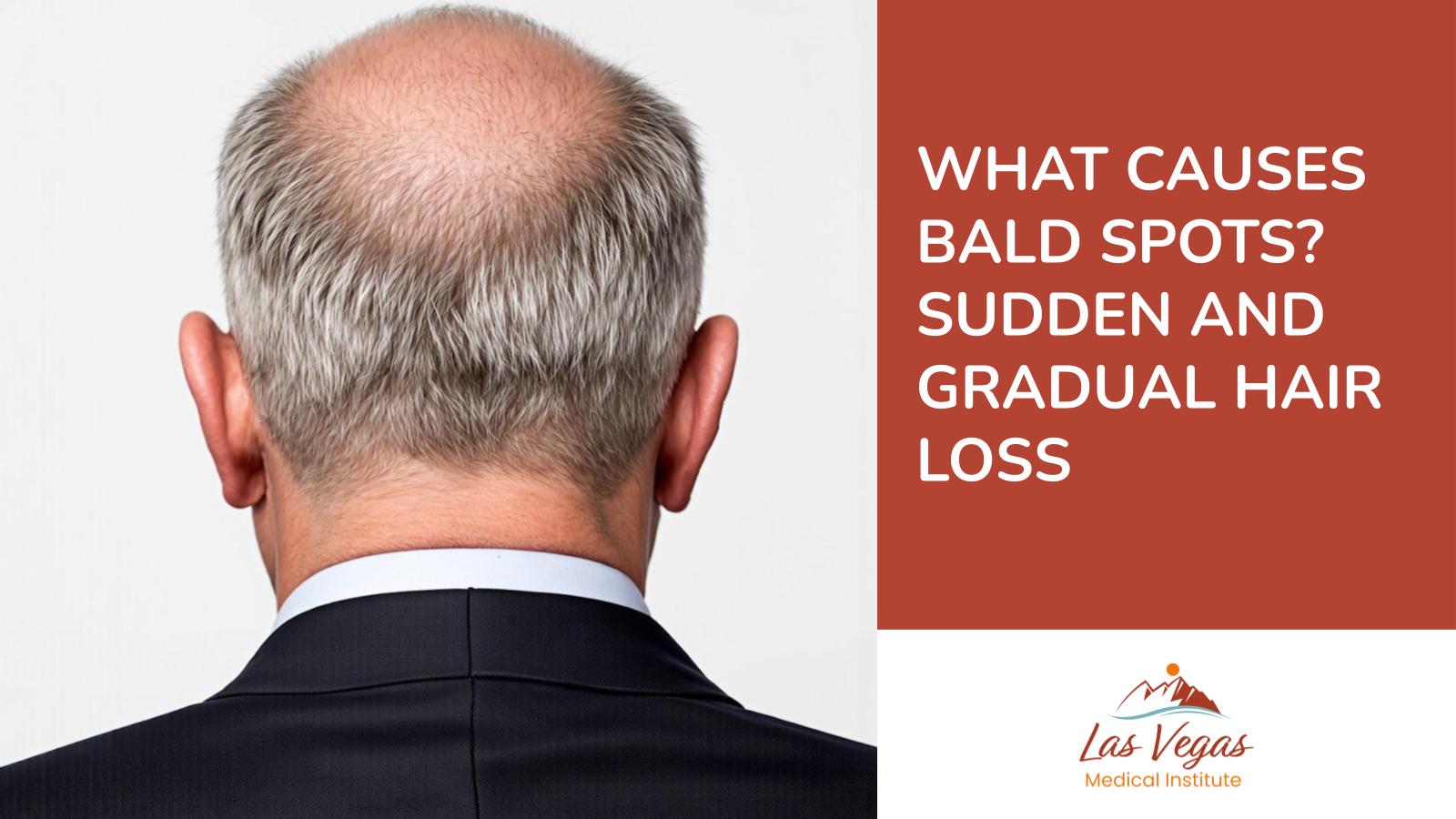
What causes bald spots is usually a mix of disrupted hair growth cycles and damage to hair follicles from genetics, autoimmunity, stress, infections, or physical trauma. In most people, bald spots or sudden hair thinning develop because the hair growth cycle is pushed off track, or inflammation destroys hair follicles so new hair cannot grow. The key is knowing whether the type of hair loss is temporary and reversible, or a form of permanent hair loss that needs urgent treatment.
Most bald spots fall into a few main categories: androgenetic alopecia or pattern baldness, alopecia areata, telogen effluvium from stress or severe illness, traction alopecia from hairstyles, scalp infections, and scarring alopecias. Important first steps include noticing how fast the hair loss occurs, whether bald spots are round patches or overall thinning, and whether there is redness, itching, or pain. Early treatment can slow further hair loss, protect healthy hair follicles, and sometimes help hair regrow.
Key Takeaways of What Causes Bald Spots
- Understanding what causes bald spots starts with the hair growth cycle.
- The most common conditions that cause bald spots include androgenetic alopecia, alopecia areata, scalp infections, and others.
- Warning signs that a bald spot needs urgent evaluation are rapid expansion over weeks to months, redness, itching, burning, and pain on the scalp.
- Nonscarring causes of bald spots, like telogen effluvium and many cases of alopecia areata, are often reversible when triggers are removed.
- Scarring alopecias can lead to permanent bald spots, so early diagnosis and anti‑inflammatory treatment are critical to protect remaining follicles.
- Healthy nutrition, stress management, and avoiding tight or damaging hairstyles can lower the risk of certain types of bald spots and support overall hair health.
How Normal Hair Growth Works
Normal hair growth depends on a healthy hair growth cycle and intact hair follicles that can repeatedly produce strong hair shafts over many years.
The hair growth cycle and why it matters for bald spots
Every scalp hair moves through three main phases: the growth phase, the transition phase, and the resting or shedding phase. In medical terms, these are anagen, catagen, and telogen.
During anagen, hair grows actively for two to seven years. Most healthy hair follicles are in this phase at any given time, which keeps the scalp looking full.
Catagen is a short transition, lasting only weeks, when growth slows and the follicle starts to shrink. After that, the hair enters telogen, the resting phase.
In telogen, hair fails to keep growing and eventually sheds. People normally lose 50 to 100 hairs daily as part of this cycle.
Bald spots appear when too many hairs leave the growth phase at once, or when inflammation destroys hair follicles and they can no longer reenter anagen. In nonscarring conditions, healthy hair follicles remain under the skin, so new hair growth or regrow hair is often possible with correct treatment. In scarring conditions, scar tissue replaces follicles and permanent bald spots can develop.
Hair follicles, inflammation, and permanent hair loss
Each hair grows from a tiny organ called a hair follicle. Follicles include stem cells, oil glands, and a blood supply that nourish hair growth.
When inflammation targets follicles, the body may misidentify them as foreign or damaged tissue. In some scalp disorders, that inflammation destroys hair follicles completely.
In scarring alopecia, also called cicatricial alopecia, scar tissue forms where follicles once lived. Once that scar tissue develops, permanent hair loss in that area is likely.
Non‑scarring hair loss, such as telogen effluvium or many cases of alopecia areata, leaves follicles intact. In those cases, hair regrows more easily after triggers are treated or removed.
Common Causes Of Bald Spots
Most bald spots come from a few well defined conditions that affect the hair growth cycle or damage follicles through hormones, inflammation, traction, or infection.
Male And Female Pattern Baldness (Androgenetic Alopecia)
Androgenetic alopecia, also called male pattern hair loss or female pattern hair loss, is the most common cause of gradual thinning hair and receding hairline.
In this type of hair loss, a genetic predisposition makes follicles sensitive to dihydrotestosterone, a hormone derived from testosterone. This hormone gradually shrinks follicles.
In men, male pattern baldness commonly affects the temples and crown. Over time, these areas show round bald patches that merge into larger bald spots.
In women, female pattern baldness usually shows as overall thinning on the top of the scalp, while the frontal hairline often stays relatively preserved at first.
Androgenetic alopecia has a strong family history link. People with affected parents or relatives have a higher risk of developing pattern baldness earlier in life.
Without early treatment, the growth phase shortens, hairs miniaturize, and some follicles may stop producing visible hair, leading to more complete baldness in those regions.
Patchy Autoimmune Hair Loss (Alopecia Areata)
Alopecia areata is an autoimmune disease where the immune system mistakenly attacks healthy hair follicles, causing sudden patchy hair loss. People may notice round bald patches on the scalp or body hair disappearing in small coin‑sized spots. Hair often falls out quickly over days or weeks.
In many cases, alopecia areata develops without pain or itching. The scalp skin usually looks smooth and normal, without scale or scarring. Doctors believe inflammatory signals, such as certain cytokines, trigger this immune attack. A genetic predisposition and other autoimmune disorders may increase risk.
Some people develop alopecia areata totalis, which causes complete hair loss on the scalp, or alopecia areata universalis, which removes nearly all body hair.
There are also patterns like ophiasis alopecia areata, where bald spots appear along the sides and lower back of the scalp, and diffuse alopecia areata, which causes overall thinning.
Stress-Related Shedding (Telogen Effluvium)
Telogen effluvium is a common cause of sudden hair loss and overall thinning, often noticed a few months after a major physical or emotional stress.
Triggers include severe illness, surgery, childbirth, rapid weight loss, severe infection, or medications. Some people also see shedding after major life stress or shock.
In telogen effluvium, many hairs exit the growth phase early and enter telogen together. Two to three months later, hair falls out diffusely across the scalp.
People usually notice hair loss occurs during washing or brushing, with more hair in the drain or on the pillow, but no clear bald spots or scar tissue.
Because the hair follicles remain healthy, this type of hair loss is usually reversible. Once triggers resolve, new hair growth often appears within several months.
Scarring Alopecias That Permanently Damage Follicles
Scarring alopecias, also called cicatricial alopecias, are a group of scalp disorders where inflammation destroys hair follicles and replaces them with scar tissue.
Examples include lichen planopilaris, frontal fibrosing alopecia, and central centrifugal cicatricial alopecia. These conditions can cause permanent bald spots if untreated.
Frontal fibrosing alopecia commonly affects postmenopausal women. It causes a receding hairline with redness and scaling along the front and sides of the scalp.
Central centrifugal cicatricial alopecia often starts at the crown and expands outward. It commonly affects women of African descent and may link to certain styling practices.
People may feel itching, burning, or tenderness in affected areas. The scalp may look shiny, with little visible follicle openings where hair shafts once emerged.
Traction, Styling, And Chemical Damage
Traction alopecia occurs when tight hairstyles pull on the hair for long periods. Common causes include tight braids, ponytails, weaves, or heavy hair extensions. Constant tension damages hair shafts and eventually harms the follicles, especially along the hairline and temples. Over time, hair thinning and patchy hair loss appear.
If traction continues for years, inflammation may destroy hair follicles, leading to scarring alopecia and permanent hair loss in those stressed areas.
Harsh chemical relaxers, frequent bleaching, or aggressive heat styling can also weaken hair shafts. Damaged hairs break easily, making overall thinning more obvious.
Infections Of The Scalp
Scalp infections can also cause bald spots, especially in children. The most common example is tinea capitis, a fungal infection sometimes called scalp ringworm.
Tinea capitis causes scaly, red, or gray patches where hair falls out. Black dots may appear where broken hair shafts remain in the follicles. This condition commonly affects school‑aged children and spreads through shared combs, hats, or close contact. It can also involve swollen lymph nodes in the neck.
Hormonal, Nutritional, And Medication-Related Causes
- Hormonal changes significantly affect hair growth. High androgen levels can worsen androgenic alopecia, especially in people with a strong family history of pattern baldness.
- In women, conditions such as polycystic ovary syndrome or changes around menopause can lead to female pattern thinning hair or diffuse shedding.
- Some people notice hair thinning after starting or stopping birth control pills. Hormonal shifts can push more hairs into the resting phase for a few months.
- Nutritional deficiencies also play a role. Low iron, protein, vitamin D, or biotin can weaken hair and shorten the growth phase, causing overall thinning.
- Severe crash diets, eating disorders, or chronic digestive problems may all lead to rapid hair loss when the body diverts nutrients away from hair follicles.
- Certain medications, including some anticonvulsants, retinoids, and other systemic drugs, may cause hair falls as a side effect. This often shows as diffuse thinning.
When possible, doctors adjust medications, correct deficiencies, or treat hormonal problems to restore a healthier hair growth cycle and support new hair.
Can Bald Spots Be Prevented Or Reversed?
Whether bald spots can be reversed depends on the underlying type of hair loss and whether hair follicles remain alive under the skin. In nonscarring conditions like telogen effluvium or many cases of alopecia areata, hair regrows in many patients, especially when triggers are removed and treatment begins early.
Androgenetic alopecia can often be slowed with medical treatments that support the growth phase and stimulate hair follicles, but complete baldness may be harder to reverse. In these cases, long term management is usually needed. The goal is to protect remaining healthy hair follicles and encourage new hair growth where possible.
Scarring alopecias such as cicatricial alopecia, frontal fibrosing alopecia, and central centrifugal cicatricial alopecia cause permanent loss once scar tissue forms. For those conditions, the priority is early diagnosis and aggressive treatment to stop inflammation and prevent further hair loss, rather than restore lost follicles.
Lifestyle steps can help reduce risk of some forms of hair loss. These include balanced nutrition, stress management, and avoiding tight hairstyles or damaging chemical treatments. Because treatment options and prognosis vary, a personalized plan is the best way to address what causes bald spots in each individual case.
Frequently Asked Questions About What Causes Bald Spots? Sudden & Gradual Hair Loss
What causes bald spots on the scalp in most people?
Most bald spots are caused by disruptions in the hair growth cycle or damage to hair follicles. Common causes of bald spots include androgenetic alopecia (pattern baldness), alopecia areata, telogen effluvium from stress or illness, traction from tight hairstyles, scalp infections, and scarring alopecias that permanently destroy follicles.
Can stress cause bald spots or sudden shedding?
Yes. Significant physical or emotional stress can trigger telogen effluvium, where many hairs leave the growth phase early and shed two to three months later. People usually notice diffuse thinning rather than a single round spot, but severe or prolonged stress may make existing bald spots or pattern hair loss more obvious.
How do doctors find out what causes bald spots?
Dermatologists start with a detailed scalp exam, asking when hair loss began and whether it is sudden or gradual. They may do a hair-pull test, use a dermatoscope to inspect follicles, and order blood tests for thyroid, iron, or vitamin D. If scarring alopecia is suspected, a small scalp biopsy may be done.
Are bald spots always permanent, or can they be reversed?
Not all bald spots are permanent. In nonscarring conditions like telogen effluvium and many cases of alopecia areata, follicles remain alive and hair often regrows, especially with early treatment. In scarring alopecias, follicles are replaced by scar tissue, making hair loss permanent. Timely diagnosis helps protect remaining hair follicles.
Can nutritional deficiencies or medications cause bald spots?
Yes. Low iron, protein, vitamin D, or biotin can weaken hair and shorten the growth phase, leading to diffuse thinning that sometimes looks patchy. Certain medications, such as some anticonvulsants and retinoids, also list hair loss as a side effect. Correcting deficiencies or adjusting drugs under medical guidance can improve shedding.
What is the best way to prevent new bald spots from forming?
To reduce the risk of new bald spots, maintain balanced nutrition, manage stress, and avoid tight hairstyles, harsh chemical relaxers, and frequent high-heat styling. Treat scalp infections promptly, monitor hormonal changes with a doctor, and seek early evaluation for any sudden bald patch or rapidly receding hairline to start treatment quickly.
Conclusion and Summary of What Causes Bald Spots? Sudden & Gradual Hair Loss
Bald spots develop for many reasons, ranging from temporary disruptions in the hair growth cycle to conditions that permanently damage hair follicles. Genetics, autoimmune activity, stress, infections, hormones, nutrition, and styling habits all play a role, which is why hair loss can look very different from one person to another. Understanding whether hair follicles remain healthy beneath the scalp is the most important factor in predicting whether hair regrowth is possible.
Sudden or patchy hair loss should never be ignored, especially when it spreads quickly or comes with scalp symptoms like redness, itching, or pain. Many nonscarring causes respond well when triggers are addressed early, while scarring conditions require prompt treatment to protect remaining hair. With early evaluation, accurate diagnosis, and a personalized treatment plan, many people can slow hair loss, preserve existing hair, and in some cases restore growth, making timely action the most valuable step when bald spots appear.
Ready to Restore Your Hair with Non-Surgical Hair Restoration in Las Vegas?
Thicker Hair. Natural Regrowth. No Downtime.
Unlike hair transplants that require invasive surgery, scarring, and weeks of recovery, our advanced platelet-rich plasma PRP hair restoration uses your body's own healing platelets to naturally stimulate hair follicles and regrow your hair. It's like waking up dormant follicles and giving them the growth factors they need to thrive again.
This isn't hiding under toupees or settling for temporary hair replacement systems. Our medical-grade hair restoration without surgery delivers concentrated growth factors directly into your scalp, targeting the root cause of thinning and triggering natural regrowth where you need it most.
Are You Experiencing These Common Hair Loss Problems?
- Receding hairline that keeps moving back.
- Thinning crown that’s becoming more visible.
- Bald spots that won’t fill in.
- Male pattern baldness affecting your confidence.
- Female pattern baldness that’s getting worse.
- Patchy hair loss in multiple areas.
- Frontal hairline thinning and recession.
- Sudden hair loss that appeared out of nowhere.
Experience Benefits You Can Actually FEEL:
- Natural hair regrowth without surgery or scars.
- Thicker, fuller hair that’s actually yours.
- No more hiding under toupees or wigs.
- Effective non-surgical hair restoration for men and women.
- Minimally invasive with no downtime.
- Safe, natural solution using your own blood platelets.
- Real hair replacement from your own follicles.
- And much more!
Why settle for temporary cover-ups or invasive transplants when you can regrow your own hair naturally? PRP hair restoration is trusted by men and women worldwide who've experienced real regrowth in areas they thought were gone forever. Many patients see visible improvements within months, with continued thickening over time.
At Las Vegas Medical Institute, we blend advanced PRP hair restoration technology with physician-led expertise for hair restoration results that restores your hair, appearance, and your confidence.
Ready to regrow your hair naturally? Schedule Your Hair Restoration Consultation here, or call us today at (725) 258-5864 and discover how non-surgical hair restoration is helping men and women across Las Vegas reclaim their full, healthy hair!
Cover Photo Illustration by: By Las Vegas Medical Institute.