Men’s Receding Hairline: Early Warning Signs
Authored by: Dr. Juan Chavez, MD and Dr. Lucia Mireles-Chavez, MD
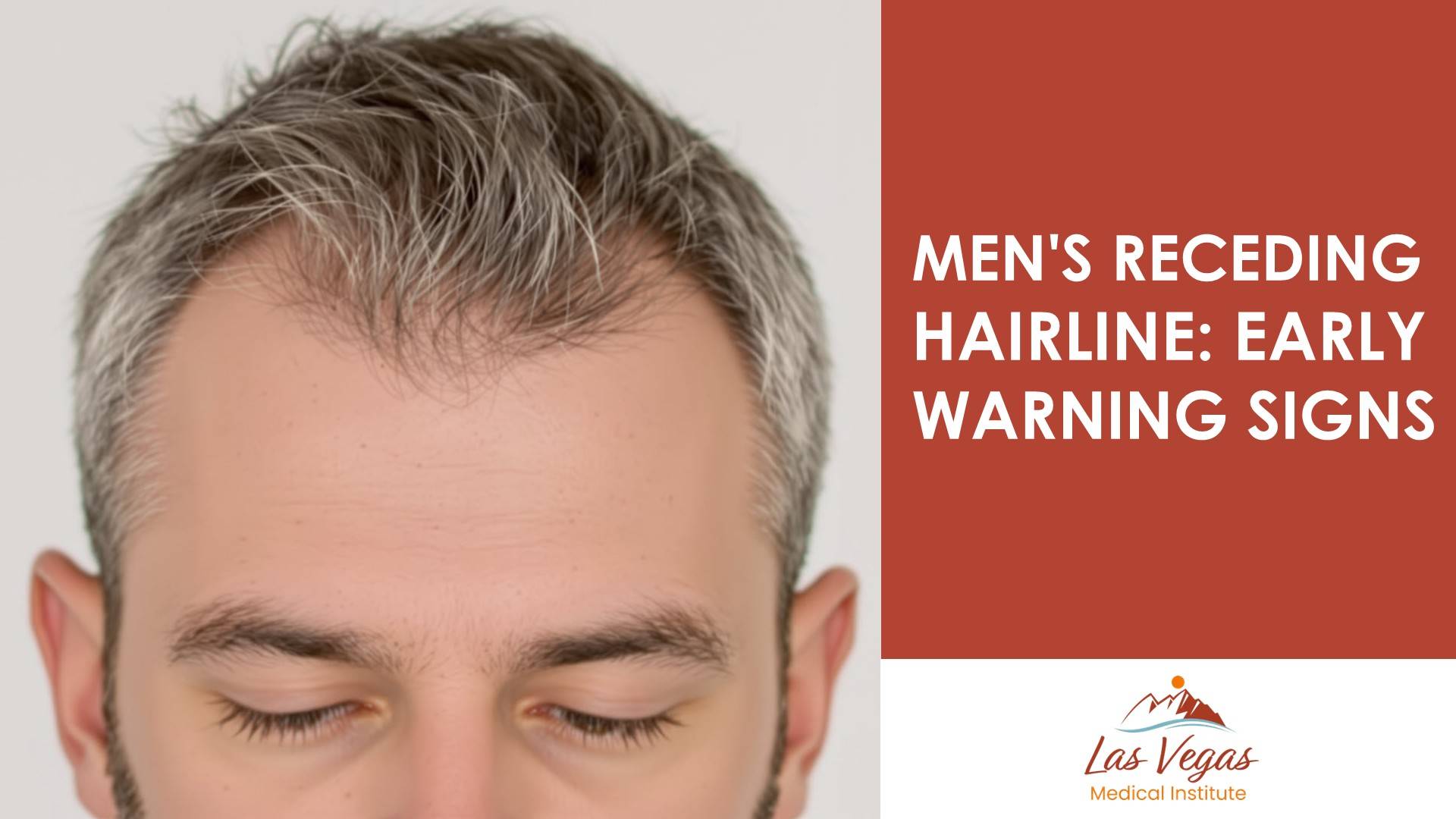
A receding hairline in men is a common concern, often signaling the beginning stages of male pattern baldness and hair loss that many will face during adulthood. Most cases of receding hairlines are caused by genetic and hormonal factors, particularly androgenetic alopecia, which gradually causes hair follicles to shrink and leads to thinning hair around the temples and the top of your head. For men worried about a changing hairline, the core solution lies in early diagnosis, personalized hair loss treatment, and healthy lifestyle choices.
While genetics and hormones set the stage, factors like stress, poor nutrition, and harsh styling can further accelerate hair thinning and hairline recession. Addressing these factors, pursuing medical treatments such as minoxidil or finasteride, and seeking prompt professional advice can help slow further hair loss and even promote hair regrowth. With sound clinical research and years of experience helping patients maintain healthy hair, experts have witnessed significant improvements within 6-12 months using a combination of medical therapies and lifestyle changes.
Key Takeaways of Receding Hairline Men
- A receding hairline in men is primarily caused by genetics and hormonal factors, especially androgenetic alopecia.
- Early detection and tailored hair loss treatment can slow further hairline recession and support hair regrowth.
- Healthy lifestyle habits, such as balanced nutrition, avoiding smoking, and stress management, contribute to maintaining healthy hair.
- Proven treatments for a receding hairline include topical minoxidil, oral finasteride, PRP therapy, and hair transplant procedures.
- Styling changes and cosmetic concealers help men cope both cosmetically and emotionally with a receding hairline.
- Consulting a hair loss specialist early ensures the best chance for effective, individualized intervention.
What Causes a Receding Hairline?
A receding hairline in men most commonly results from male pattern baldness, also known as androgenetic alopecia. This genetic condition causes the hair follicles around your temples and on the top of your head to shrink over time, leading to slower hair growth cycles and eventually, the follicles may stop producing new hair altogether.
Genetics and Family History
If you have a family history of hairline recession or pattern hair loss, your own risk is higher. The genetic influence drives how sensitive your follicles are to hormonal changes, particularly the effects of dihydrotestosterone (DHT). Androgenic alopecia can begin as early as the teens or twenties for some men, while others notice changes later in life.
Hormones and Hair Follicles
DHT, a derivative of testosterone, is a key factor in shrinking susceptible hair follicles. It shortens the hair growth cycle, causing new hairs to become progressively thinner and shorter. As more follicles miniaturize, noticeable thinning and a receding hairline result. Men with higher sensitivity to DHT are more likely to develop male pattern hair loss.
Other Contributing Factors
Besides genetics and hormone levels, additional risk factors for receding hairlines include:
- Sudden hair loss from major stress or illness (telogen effluvium)
- Certain medications or medical conditions (such as thyroid disease or diabetes)
- Poor nutrition, especially lacking protein, iron, or zinc
- Smoking, which reduces blood flow to the scalp
- Scalp disorders like seborrheic dermatitis or lichen planopilaris
- Tight hairstyles or traction alopecia, caused by pulling at the hairline
Understanding the underlying cause and type of hair loss is crucial for determining the most effective strategy to maintain healthy hair.
Early Signs and Symptoms
Spotting early signs of a receding hairline gives you the best chance to slow or reverse hair loss. Most men first notice subtle changes around their temples, often the first place the hairline starts to move back.
Typical Patterns of Recession
Initially, hair thinning appears above the temples and gradually progresses across the frontal hairline, creating what's commonly called an M-shaped pattern (hairline receding). In many cases, the recession continues to deepen forming a classic widow's peak or a more pronounced V-shape. Some men also experience thinning on the crown or top of the head. Over time, these thinning areas can connect, resulting in a U-shaped or horseshoe rim of existing hair wrapping around the sides and back of the scalp.
Changes in Hair Texture and Shedding
Another early sign of male pattern baldness is an increase in shedding, especially finding more hair on pillows, in the shower, or on hairbrushes. You might also notice finer, shorter, and softer hairs near the frontal hairline, where growth cycles have become shorter. For some, the hair starts to lose density, and a bald spot on the crown can appear.
When to Be Alert
If you experience thinning hair much earlier than expected, such as during your teens or twenties, it's worth seeking a professional opinion. Likewise, rapid progression or patchy loss, along with any scalp redness or irritation, may signal other underlying conditions requiring medical intervention.
Lifestyle and Prevention Tips
While you can't change your genes, adopting certain lifestyle choices may help you maintain healthy hair and potentially slow down hairline recession. Taking care of your scalp and follicles is key, alongside managing risk factors that can speed up hair thinning.
Diet and Nutrition
A nutrient-rich diet promote hair growth cycle. Make sure you're getting enough protein, iron, zinc, and vitamins. Deficiencies can lead to further hair loss or even increase risk factors associated with pattern baldness. If you follow a restricted diet, consider consulting a healthcare professional for guidance or supplements.
Avoiding Harmful Habits
Smoking diminishes blood flow to hair follicles, speeding up hair thinning and loss. Stopping can improve circulation and potentially support fuller hair. Similarly, steer clear of harsh chemicals, heat styling, and tight hairstyles, like braids or ponytails, which can cause traction alopecia and damage around the hairline.
Stress Management
Chronic stress may trigger shedding through hormonal changes or conditions like telogen effluvium. Prioritize regular exercise, adequate sleep, and relaxation techniques, such as mindfulness or meditation, to maintain both mental health and hair healthy.
Routine Hair Care
Use gentle, sulfate-free shampoos and conditioners. Limit heat styling and avoid pulling or over-brushing. Keeping hair and scalp clean, but not stripped of natural oils, helps retain healthy hair growth.
Treatment Options for Receding Hairline
Thanks to ongoing research and medical advances, there are several proven treatments available for men experiencing a receding hairline. Some approaches are designed to slow further hair loss, while others focus on restoring lost hair or stimulating new growth.
Topical and Oral Medications
The first-line medical options for male pattern hair loss are:
- Topical minoxidil: This over-the-counter foam or solution extends the hair growth cycle and rejuvenates hair follicles. It can be effective when started in the early stages of thinning.
- Oral finasteride: Available by prescription, this medication works by blocking DHT, slowing the miniaturization of follicles. In clinical trials, it’s shown to preserve existing hair and sometimes promote regrowth.
Both treatments require continuous use, a consistent routine is essential for optimal results, typically seen after three to six months.
Advanced Therapies
For those seeking further hair restoration options, medical offices offer specialized treatments like:
- Platelet-rich plasma (PRP) for hair growth: A technique where a patient’s own blood is processed to extract growth factors, which are then injected into thinning areas. PRP has shown promising results in stimulating hair growth.
- Low-level laser therapy: Devices such as laser caps or combs may be recommended by clinicians to increase blood flow and promote new growth, especially for men experiencing thinning hair.
- Hair transplant surgery (FUT or FUE techniques): These procedures relocate healthy hair follicles from the back or sides of the scalp to receded areas, offering a permanent solution for advanced, stable hairline recession.
Complementary and Cosmetic Approaches
Men who prefer non-surgical solutions can try cosmetic concealers or hair fibers, which camouflage thinning areas. The right haircut can also minimize the appearance of a receding hairline. Consulting a hair restoration specialist is recommended to develop a tailored treatment plan.
Coping with Changes in Appearance
Adjusting to a receding hairline can be tough, especially with deep hairline recession or visible thinning areas. But with the right coping strategies, men can maintain confidence and style, regardless of hair loss stage.
Styling Solutions
Trying new hairstyles can make a significant difference. A high fade, crew cut, or even embracing a clean shave are popular choices for those experiencing male pattern baldness. Growing facial hair can rebalance your appearance or draw attention away from your hairline. For some, a faux hawk or maintaining a straight hairline through skilled barbering provides a classic style with longer hair.
Cosmetic Concealers and Alternatives
Products like hair fibers, sprays, or powders instantly create the look of fuller hair, masking thinning areas. If hair loss is advanced, wigs or hairpieces offer another option. Remember, seeking a look that gives confidence is always valid.
Emotional Well-being
Hair loss can impact mental health and self-esteem. If you're struggling, consider support groups, counseling, or speaking openly with friends or loved ones. Sometimes, simply talking about changes helps relieve anxiety and fosters acceptance of a new look.
There's no single "right way" to cope with a receding hairline. Find the solutions that work best for your lifestyle and comfort level.
When to Seek Professional Help
Recognizing when you need expert guidance is crucial. Sometimes, a receding hairline or thinning hair signals a more complex type of hair loss, or a condition that needs prompt treatment.
Warning Signs That Need Medical Attention
- Sudden or severe hair loss, especially after major life events or illness
- Patchy areas of baldness, scalp redness, pain, or scarring
- Hairline changes occurring unusually early (in teens or early twenties)
- Symptoms of scalp disease, scaling, or persistent itch
If you experience these symptoms, schedule a consultation with Las Vegas Medical Institute hair loss specialists. They can examine your scalp, review your family history, and perform necessary blood work or biopsies to diagnose the issue. Early intervention increases the chances of successful hair regrowth and helps prevent further hair loss.
Always discuss risks, benefits, and realistic expectations with a medical professional. They will help you weigh the options, be it oral medication, topical therapies, PRP injections, or hair transplant surgery, to find the best approach for your specific stage and type of hair loss.
Frequently Asked Questions About Men’s Receding Hairline: Early Warning Signs
What causes a receding hairline in men?
A receding hairline in men is primarily caused by genetics and hormones, especially androgenetic alopecia (male pattern baldness). Factors like stress, poor nutrition, and harsh hair styling can also accelerate hairline recession.
How can I slow down a receding hairline?
You can slow a receding hairline by maintaining a healthy diet, managing stress, avoiding harsh hair treatments or tight hairstyles. Early intervention and professional advice offer the best outcomes.
When should I see a doctor for a receding hairline?
See a doctor if you experience sudden, severe, or patchy hair loss, scalp redness, pain, or changes beginning in your teens or early twenties. A medical professional can diagnose underlying causes and recommend the most effective treatment.
Are there non-surgical ways to treat receding hairline in men?
Yes, non-surgical treatments for receding hairline include topical minoxidil, oral finasteride, PRP therapy, or low-level laser therapy. The right approach depends on your stage of hair loss.
Can a receding hairline be reversed naturally?
While natural methods may help slow hair loss, fully reversing a receding hairline is unlikely without medical treatment. A healthy lifestyle, good scalp care, and dietary improvements can support hair health, but regrowth usually requires proven medical therapy.
Conclusion and Summary of Men’s Receding Hairline: Early Warning Signs
A receding hairline in men is a common, manageable experience. By recognizing early signs, understanding the role of genetics and hormones, and taking proactive steps, it's possible to slow or even reverse some hair thinning. Today's hair loss treatments, including topical and oral medications, and PRP, offer real hope for fuller hair and renewed confidence.
Equally important is resilience in the face of change. Finding the right coping strategies, whether through hairstyles, cosmetic solutions, or emotional support, makes all the difference. If you notice significant changes or have concerns, don't hesitate to seek expert advice. Schedule a consultation is the fastest path to a tailored, effective plan for maintaining healthy hair and enjoying life, hairline and all.
Ready to Restore Your Hair with Non-Surgical Hair Restoration in Las Vegas?
Thicker Hair. Natural Regrowth. No Downtime.
Unlike hair transplants that require invasive surgery, scarring, and weeks of recovery, our advanced platelet-rich plasma PRP hair restoration uses your body's own healing platelets to naturally stimulate hair follicles and regrow your hair. It's like waking up dormant follicles and giving them the growth factors they need to thrive again.
This isn't hiding under toupees or settling for temporary hair replacement systems. Our medical-grade hair restoration without surgery delivers concentrated growth factors directly into your scalp, targeting the root cause of thinning and triggering natural regrowth where you need it most.
Are You Experiencing These Common Hair Loss Problems?
- Receding hairline that keeps moving back.
- Thinning crown that’s becoming more visible.
- Bald spots that won’t fill in.
- Male pattern baldness affecting your confidence.
- Female pattern baldness that’s getting worse.
- Patchy hair loss in multiple areas.
- Frontal hairline thinning and recession.
- Sudden hair loss that appeared out of nowhere.
Experience Benefits You Can Actually FEEL:
- Natural hair regrowth without surgery or scars.
- Thicker, fuller hair that’s actually yours.
- No more hiding under toupees or wigs.
- Effective non-surgical hair restoration for men and women.
- Minimally invasive with no downtime.
- Safe, natural solution using your own blood platelets.
- Real hair replacement from your own follicles.
- And much more!
Why settle for temporary cover-ups or invasive transplants when you can regrow your own hair naturally? PRP hair restoration is trusted by men and women worldwide who've experienced real regrowth in areas they thought were gone forever. Many patients see visible improvements within months, with continued thickening over time.
At Las Vegas Medical Institute, we blend advanced PRP hair restoration technology with physician-led expertise for hair restoration results that restores your hair, appearance, and your confidence.
Ready to regrow your hair naturally? Schedule Your Hair Restoration Consultation here, or call us today at (725) 258-5864 and discover how non-surgical hair restoration is helping men and women across Las Vegas reclaim their full, healthy hair!
Cover Photo Illustration by: Las Vegas Medical Institute.