Types of Oxygen Therapy vs. Hyperbaric Oxygen Therapy
Authored by: Dr. Juan Chavez, MD and Dr. Lucia Mireles-Chavez, MD
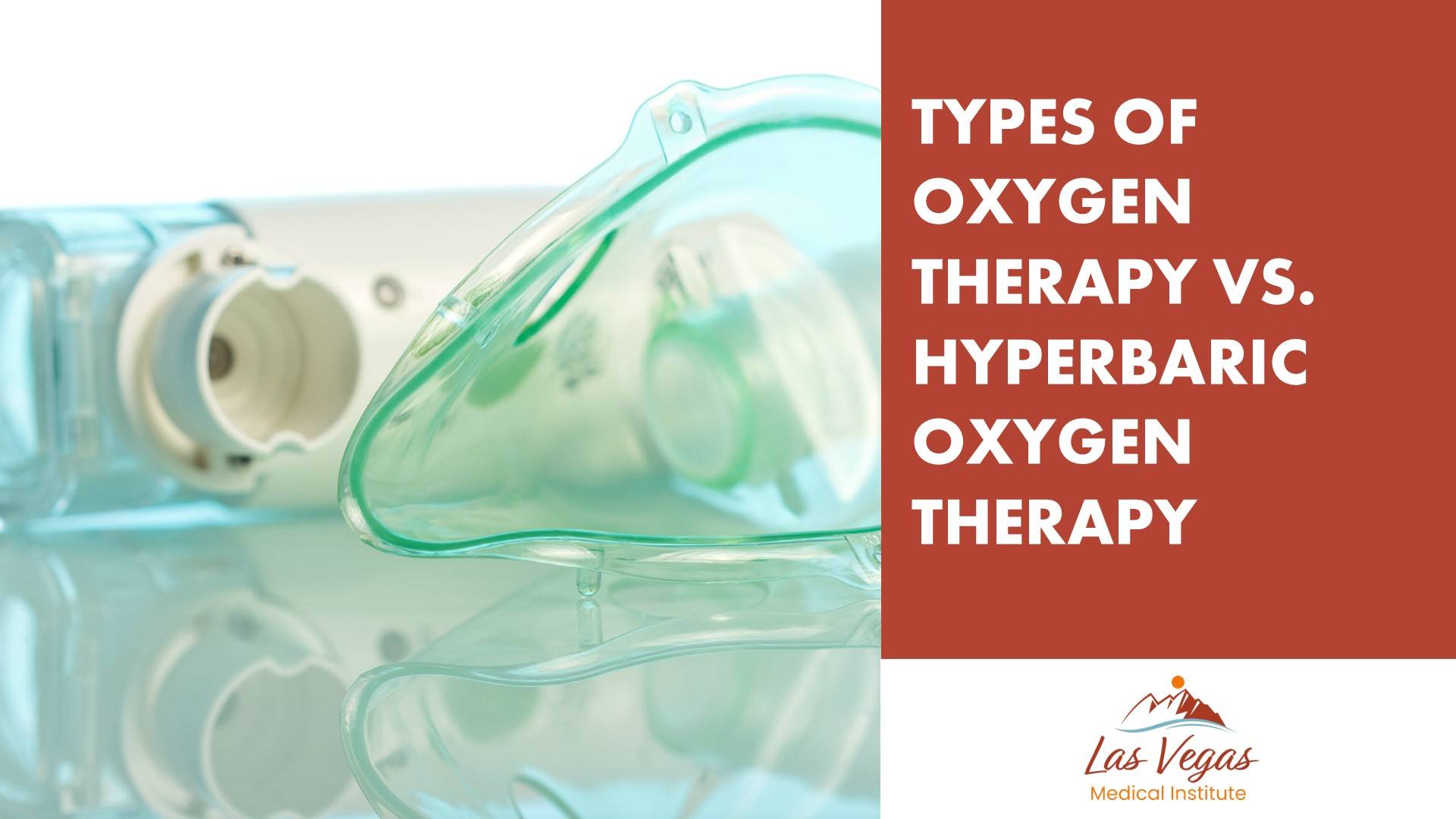
Oxygen therapy provides supplemental oxygen to patients struggling with low blood oxygen levels caused by acute or chronic conditions. By restoring oxygen saturation, it improves symptoms like shortness of breath almost immediately. The main types of oxygen therapy are tailored to how much oxygen each patient needs and their underlying medical condition. For especially severe cases or complex wounds, hyperbaric oxygen therapy offers a unique approach. By delivering pure oxygen in a high-pressure chamber, it accelerates healing and treat complicated medical emergencies.
Decades of respiratory medicine experience show that the right oxygen delivery system not only improves oxygenation and organ function but can also be a life-saving intervention in critical care. Trusted by clinicians for treating chronic obstructive pulmonary disease (COPD), decompression sickness, and carbon monoxide poisoning, oxygen therapy's benefits are substantial.
Key Takeaways of Types of Oxygen Therapy
What Is Oxygen Therapy?
Oxygen therapy is a cornerstone of modern respiratory medicine, supplying patients with more oxygen than is found in ambient air. Medical professionals use this therapy when someone is not getting enough oxygen due to lung diseases, acute hypoxia, or complications from chronic conditions. It's not just about giving enough oxygen to support life, its real impact comes from delivering the precise oxygen flow rate each patient needs.
Oxygen is administered using an array of oxygen delivery systems. These range from simple nasal cannulas to sophisticated high flow devices, each of which can be calibrated based on the oxygen flow requirements and the specific condition being managed. For patients with chronic obstructive pulmonary disease (COPD) or acute respiratory distress, supplemental oxygen brings critical restoration to tissue oxygenation and can relieve the extreme fatigue or confusion tied to low blood oxygen levels.
Main Types of Oxygen Therapy
Doctors select the right oxygen therapy by how much oxygen a person needs, how stable their breathing is, and diagnosis.
Nasal Cannula
A nasal cannula is the simplest, and often most comfortable, way to deliver supplemental oxygen. The device consists of soft tubing with prongs that rest inside the patient's nostrils. It's typically used for mild to moderate cases of low blood oxygen levels.
With oxygen concentrations up to 40%, and the flow is adjusted from 1 liter per minute to 6 liters per minute. In daily practice, this device allows patients to eat and talk easily during oxygen use. It is a preferred option for long term oxygen therapy when high flows aren't required.
Simple Face Mask
Face mask covers both the nose and mouth and is used when nasal cannulas aren't enough. This mask delivers a higher concentration of oxygen, between 35% and 60%, and flow rates usually range from 5 to 10 liters per minute. Commonly used in hospitals for short-term oxygen therapy, it helps manage acute hypoxia or post-surgery breathing difficulties.
Due to its design, patients might find it harder to speak or eat. It's generally not for prolonged, routine use, but it's very effective for moderate to severe hypoxemia in controlled settings.
Non-Rebreather Mask
Non-rebreather masks are vital for emergencies, such as severe hypoxemia or carbon monoxide poisoning, where the goal is to rapidly deliver nearly 100% pure oxygen. The mask includes a reservoir bag and one-way valves that prevent exhaled air, containing carbon dioxide, from being re-breathed.
These systems deliver oxygen at flow rates of 10–15 liters per minute, flooding the lungs with enough oxygen to quickly restore oxygen saturation and prevent critical organ damage. Non-rebreather masks are commonly used in ambulances and emergency rooms until a patient's condition stabilizes or they reach a higher level of care.
High-Flow Oxygen Therapy
High-flow oxygen therapy uses specialized equipment to deliver a warm, humidified mixture of oxygen and ambient air at very high flow rates, often over 30–60 liters per minute, through wide-bore nasal cannulas. This system provides precise oxygen delivery and allows clinicians to match the oxygen flow exactly to a patient's breathing demand, which is especially useful for those with acute respiratory failure, COVID-19 complications, or severe hypoxemia when conventional systems fall short.
Plus to delivering more oxygen, high-flow systems help clear carbon dioxide, reduce the work of breathing, and improve comfort compared to non-humidified flows. These benefits make high-flow nasal cannula devices standard in modern intensive care units.
Portable Oxygen Systems
For patients needing extra oxygen on the go, portable oxygen systems have transformed quality of life and freedom. These include portable oxygen concentrators, small compressed gas cylinders, and liquid oxygen systems. Mobile concentrators draw in ambient air and concentrate the oxygen, offering continuous or pulse dose delivery. Portable tanks or liquid oxygen tanks allow for extended oxygen supply outside the medical office.
Importantly, these devices must be supplied and regularly serviced by a reputable oxygen supply company or medical supply company. This ensure reliability and patient safety during use in clinical, not home, settings.
Hyperbaric Oxygen Therapy
Hyperbaric oxygen therapy (HBOT) takes oxygen delivery to another level. By combining 100% pure oxygen with increased atmospheric pressure in a sealed chamber. This method is far beyond what standard oxygen devices or delivery systems can achieve.
How Hyperbaric Oxygen Therapy Works
In HBOT, a patient enters a chamber where the atmospheric pressure is increased to two or three times the normal level. As they breathe 100% oxygen, their lungs absorb much more oxygen than under standard conditions. This surge allows the dissolved oxygen in arterial blood and plasma to reach areas with poor circulation or damaged tissues.
As a result, new blood vessels can grow, and stubborn wounds or infections heal faster. The high dose of oxygen also enhances the body's immune response by improving the effectiveness of white blood cells and helping fight bacteria, while also clearing out harmful gases such as carbon monoxide or trapped air bubbles from decompression sickness.
Medical Uses and Indications
Hyperbaric oxygen therapy is reserved for specific, serious conditions where other oxygen therapy options fall short. The most common medical indications include decompression sickness (a major risk for divers), severe carbon monoxide poisoning, and air embolism, in which air bubbles block blood flow.
HBOT is indispensable for treating chronic non-healing wounds, such as diabetic foot ulcers, and for managing radiation tissue injury, where normal oxygen delivery to tissues is impaired. It's also used in select severe infections, like certain bone and tissue infections (osteomyelitis) or brain abscess cases. In each scenario, HBOT provides benefits that conventional oxygen therapy simply can't offer. By delivering high levels of dissolved oxygen directly where it's needed most.
Benefits and Risks of Oxygen Therapy
When delivered under strict medical supervision and with the right devices, both conventional and hyperbaric oxygen therapies offer remarkable advantages. The most important benefit is improved oxygen saturation in the blood, which alleviates fatigue, restlessness, confusion, and other signs that oxygen levels have dropped. Enhancing tissue oxygenation also speeds healing, supports vital organ function, and may reduce complications in critically ill or COPD patients.
But, there are risks, especially if a patient receives more oxygen than needed or therapy goes on for too long. Oxygen toxicity, a potentially dangerous buildup of oxygen in the body, can happen with high flow oxygen or prolonged use at high concentrations, especially in newborns or people with certain lung diseases.
Other risks include nasal dryness, and airway irritation. With hyperbaric oxygen therapy, patients can experience ear or sinus barotrauma, temporary vision changes, or, rarely, lung collapse. That's why continuous monitoring and adjustment by a qualified healthcare provider is essential in every case.
Comparing Conventional and Hyperbaric Oxygen Therapy
Although both therapies increase blood oxygen levels, they use different delivery systems and serve distinct purposes. Conventional oxygen therapy addresses routine hypoxemia and is standard in treating chronic respiratory diseases or acute emergencies. In contrast, hyperbaric oxygen therapy employs a sealed, pressurized chamber where patients breathe 100% oxygen at two to three times the normal pressure, enabling much higher amounts of dissolved oxygen to reach damaged tissues.
Routine supplemental oxygen therapy is highly adaptable and can be initiated quickly in most healthcare settings. Hyperbaric therapy, but, is reserved for specialized situations where boosting dissolved oxygen content is essential for survival or advanced healing.
Frequently Asked Questions About Types of Oxygen Therapy vs. Hyperbaric Oxygen Therapy
What are the main types of oxygen therapy?
The main types of oxygen therapy include the nasal cannula, simple face mask, non-rebreather mask, and high-flow oxygen devices. More modern therapy is the Hyperbaric oxygen therapy. Each method is chosen based on the patient’s oxygen needs and the severity of their medical condition.
How does hyperbaric oxygen therapy differ from standard oxygen therapy?
Hyperbaric oxygen therapy delivers 100% oxygen in a pressurized chamber, allowing more oxygen to dissolve in the blood. This approach enhances healing for certain conditions, unlike standard oxygen therapy delivered at normal atmospheric pressure through masks or cannulas.
When is hyperbaric oxygen therapy recommended?
Hyperbaric oxygen therapy is used for specific serious conditions such as decompression sickness, severe carbon monoxide poisoning, chronic non-healing wounds, radiation injuries, and select severe infections. It’s generally reserved for cases where standard oxygen therapy is not enough.
What are the risks associated with oxygen therapy?
Oxygen therapy risks include oxygen toxicity, nasal dryness, airway irritation, and increased fire hazards. Hyperbaric oxygen therapy may also cause barotrauma, temporary vision changes, or, rarely, lung collapse. Close monitoring by healthcare professionals is essential to minimize these risks.
Can oxygen therapy be used at home, and who benefits most?
Conventional oxygen therapy, using devices like nasal cannulas or portable concentrators, can be used at home for chronic conditions like COPD. However, hyperbaric oxygen therapy must be administered in clinical settings. Patients with chronic respiratory diseases or acute hypoxemia benefit most from home oxygen therapy.
What is the best way to choose the right type of oxygen therapy?
The type of oxygen therapy depends on the individual’s oxygen needs, medical diagnosis, and condition's severity. A healthcare provider will determine the appropriate method, ensuring effective oxygenation and minimizing risk.
Conclusion and Summary of Types of Oxygen Therapy vs. Hyperbaric Oxygen Therapy
Oxygen therapy has evolved into a precise, multi-faceted approach that saves lives, accelerates healing, and restores vital organ function across a spectrum of respiratory and systemic illnesses. From nasal cannulas to hyperbaric chambers, each oxygen delivery system has its place in clinical practice, tailored to deliver extra oxygen effectively and safely based on the severity and nature of illness.
While the right delivery method, whether a high-flow nasal cannula, non-rebreather mask, or a pressurized chamber, depends on individual patient needs, what's unwavering is the requirement for professional oversight and meticulous monitoring during all forms of oxygen use.
As healthcare technology and respiratory medicine continue to advance, newer delivery devices and protocols will further optimize how oxygen is supplied to those who need it most, enabling better patient outcomes and more personalized therapies. The role of supplemental oxygen, and in some cases, hyperbaric oxygen therapy, remains irreplaceable for clinicians managing patients in acute care, chronic disease, and specialized emergency settings.
Ready to Supercharge Your Healing with Hyperbaric Oxygen Therapy in Las Vegas?
Supercharge Your Healing. Enhance Immunity. Speed Recovery.
Imagine breathing 100% pure oxygen while relaxing in a pressurized chamber that delivers up to triple the oxygen your body normally gets. That's the power of Hyperbaric Oxygen Therapy (HBOT). A proven medical treatment that floods your cells with the oxygen they crave for rapid healing and recovery.
This isn't just oxygen therapy. Our medical-grade pressurized chamber increases atmospheric pressure by 1.5 to 3 times normal levels, allowing your lungs to absorb dramatically more oxygen than ever before. This oxygen-rich plasma then travels throughout your body, accelerating healing, fighting infection, and regenerating damaged tissue.
Experience Hyperbaric Oxygen Benefits You Can Actually FEEL:
- Faster healing for chronic wounds, diabetic ulcers & burns.
- Reduced inflammation & improved nerve regeneration.
- Boosted immune system & infection control.
- Enhanced brain function, focus, clarity & memory.
- Increased collagen production for skin repair.
- Accelerated recovery from injuries.
- And much more!
Why settle for slow healing when you can supercharge it? HBOT is FDA-approved for multiple conditions and backed by studies in the Journal of Wound Care showing how oxygen kickstarts your body's natural healing phases. Professional athletes use it for recovery. Medical centers worldwide depend on it for serious conditions.
At Las Vegas Medical Institute, we combine advanced hyperbaric technology with deep medical expertise for healing that speaks for itself.
Schedule Your Hyperbaric Oxygen Therapy Consultation here, or call us today at (725) 258-5864 to discover how HBOT is revolutionizing recovery across Las Vegas!
Cover Image Credit: Laboko / 123RF.com (Licensed). Photo Illustration by: By Las Vegas Medical Institute.