Hyperbaric Oxygen Therapy for Wounds
Authored by: Dr. Juan Chavez, MD and Dr. Lucia Mireles-Chavez, MD
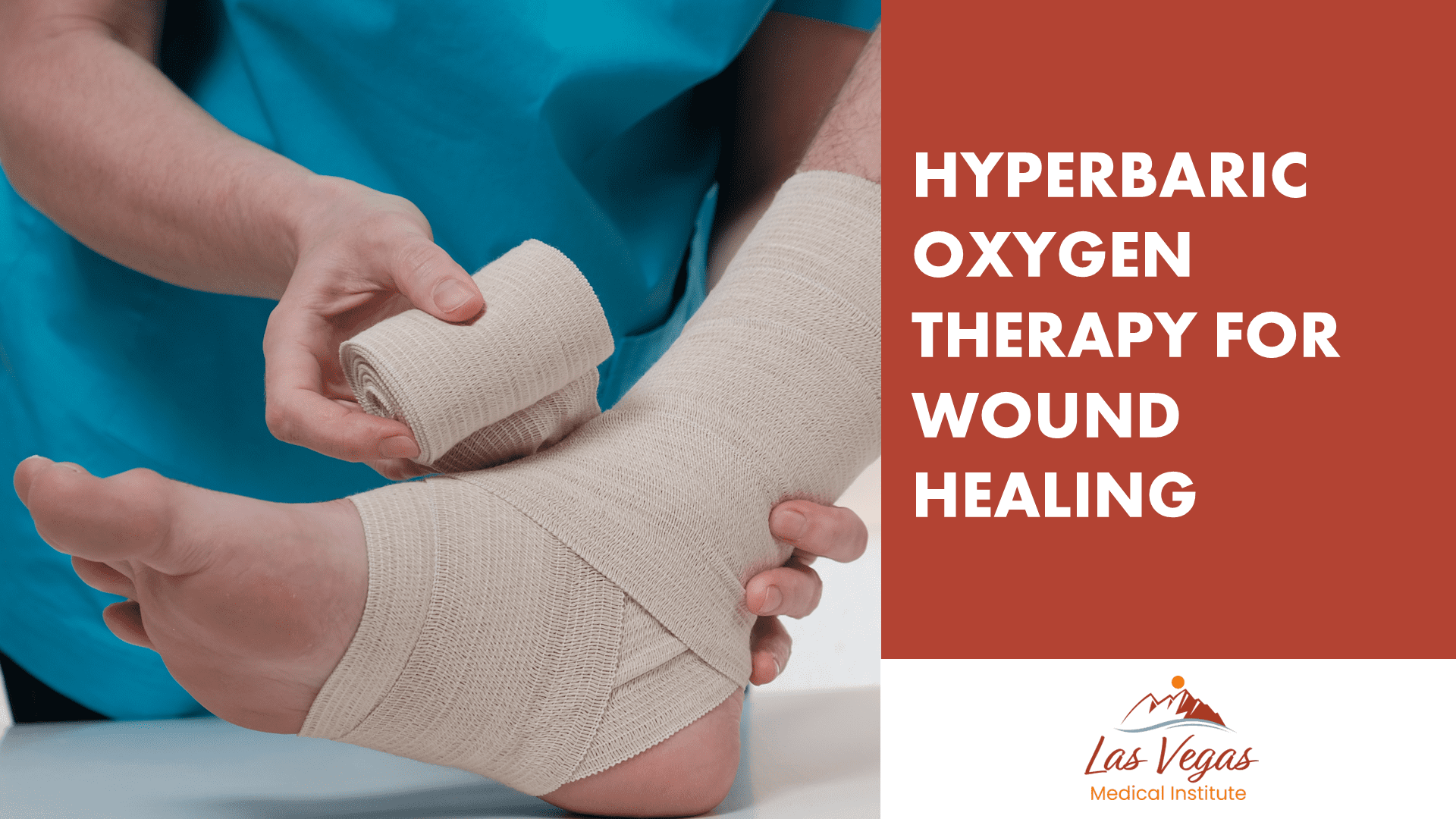
Hyperbaric oxygen therapy for wounds delivers pure oxygen in a pressurized chamber to speed up healing and fight infection making it a proven solution for chronic or hard-to-heal wounds. This advanced treatment increases oxygen supply to damaged tissues, helping the body repair itself faster, reduce swelling, and block harmful bacteria. Patients with diabetic foot ulcers, radiation injuries, or non-healing surgical wounds often see remarkable improvement after just a few hyperbaric oxygen therapy sessions.
Clinics and hospitals worldwide trust hyperbaric oxygen therapy because studies show it can cut healing times in half and lower the risk of amputation. With decades of clinical research and thousands of patient cases backing its success, this oxygen chamber therapy stands at the forefront of modern wound care.
Key Takeaways of Hyperbaric Oxygen Therapy for Wound Healing
- Hyperbaric oxygen therapy (HBOT) delivers pure oxygen under increased atmospheric pressure, accelerating healing and fighting infection in chronic or hard-to-heal wounds.
- HBOT promotes new blood vessel growth, reduces swelling and inflammation, and strengthens the immune response, making it highly effective for conditions like diabetic foot ulcers, radiation injuries, and non-healing surgical wounds.
- Treatment is administered in certified medical facilities under professional supervision, ensuring safety and optimal outcomes for complex wound cases.
- Clinical studies show that HBOT can significantly shorten healing times, lower the risk of complications such as amputations, and improve the success of grafts and flaps.
- HBOT is particularly beneficial for patients with chronic, infected, radiation-induced, or traumatic wounds that have not responded to standard therapies.
What Is Hyperbaric Oxygen Therapy?
Hyperbaric oxygen therapy for wounds uses increased atmospheric pressure and pure oxygen to promote recovery in a medical setting. Clinicians often recommend this treatment to accelerate wound healing and control infections in difficult cases.
How Hyperbaric Oxygen Therapy for Wounds Works
Hyperbaric oxygen therapy for wounds involves patients entering a sealed chamber where medical staff increase air pressure to 2 to 3 times higher than normal. Patients breathe 100% oxygen during each session, typically lasting between 60 and 120 minutes.
Medical teams use this process to increase oxygen delivery to injured tissue. More oxygen helps stimulate new blood vessel growth and supports the body's ability to fight infections. This approach assists healing rates, especially for wounds with poor blood supply.
Clinical Settings for Hyperbaric Oxygen Therapy Wound Treatment
Clinicians administer hyperbaric oxygen therapy for wounds in specialized hospital departments or certified wound care centers. Facilities maintain rigorous safety measures and use protocols developed by medical boards.
Appointments for hyperbaric oxygen therapy require medical evaluation and supervision by certified wound care physicians. A multidisciplinary team monitors patients before, during, and after each therapy appointment, ensuring comprehensive care for complex wounds.
How Hyperbaric Oxygen Therapy Works for Wounds
Hyperbaric oxygen therapy for wounds rapidly increases oxygen delivery to damaged tissues by exposing patients to pure oxygen at high atmospheric pressures inside a sealed chamber. This advanced medical approach supports natural wound healing and recovery in certified clinical settings.
The Science Behind Hyperbaric Oxygen Therapy for Wounds
Hyperbaric oxygen therapy for wounds addresses tissue hypoxia that often delays the repair process. During each session, blood plasma absorbs extra oxygen, raising oxygen levels far above those achieved with normal breathing. This process triggers several key biological changes that support wound healing.
The oxygen-rich environment boosts new blood vessel formation, known as angiogenesis, crucial for repairing areas with poor circulation. Enhanced oxygen delivery promotes collagen production and accelerates tissue regeneration. White blood cells function more effectively in these conditions, helping control infection and manage inflammation.
Several published studies show that repeated hyperbaric oxygen therapy sessions restore metabolic function, promote capillary growth, and improve the effectiveness of antibiotics in resistant wound infections.
Types of Wounds Treated With Hyperbaric Oxygen Therapy
Certified doctors prescribe hyperbaric oxygen therapy for wounds that respond poorly to conventional treatment. Chronic wounds like diabetic leg and foot ulcers benefit from increased oxygen supply, enabling tissue repair. Clinicians also use this therapy to treat radiation-induced wounds, including osteoradionecrosis of the jaw and pelvic tissue injury, as it restores damaged blood vessels and promotes graft survival.
Soft tissue radiation injuries, necrotizing infections, and chronic bone infections respond to the therapy by enhanced immune activity and improved tissue oxygenation. Patients with compromised skin grafts or flaps experience increased graft survival when oxygen delivery is optimized. Acute arterial insufficiency where blood flow suddenly drops also sees significant improvement following this specialized intervention.
Benefits of Hyperbaric Oxygen Therapy for Wound Healing
Hyperbaric oxygen therapy for wounds plays a critical role in advancing healing, improving patient outcomes, and reducing risks associated with chronic injuries. Clinical research confirms that this medical treatment targets complex wounds in controlled healthcare settings where careful supervision maximizes safety and efficacy.
Enhanced Oxygen Delivery
In hyperbaric oxygen therapy for wound care, oxygen levels in blood plasma rise significantly. Tissues with poor blood flow, such as those seen in diabetic foot ulcers or radiation injuries, benefit from this concentration increase.
During HBOT sessions, cells absorb up to 12 times more oxygen than normal, supporting energy-intensive repair processes. Medical teams monitor these changes, ensuring the therapy remains targeted toward reversing local tissue hypoxia.
Reduction of Swelling and Inflammation
HBOT leads to vasoconstriction, which reduces swelling and enables better oxygen and nutrient movement through tissues. Chronic wound injuries often involve persistent edema, so this effect is clinically important.
By reducing local inflammation, the HBOT therapy improves wound bed conditions, speeds up removal of cellular waste, and encourages a healthier healing environment. Specialists observe these benefits most in persistent wounds that have not responded well to other interventions.
Promotion of Angiogenesis and Improved Blood Flow
Hyperbaric oxygen therapy for wounds stimulates the growth of new blood vessels an effect termed angiogenesis. In clinical contexts, the therapy triggers proliferation of fibroblasts and activation of growth factors like VEGF.
Chronic wounds, including radiation-induced tissue damage, often show poor vascularization. HBOT corrects this by increasing capillary density and improving blood flow, providing sustained oxygenation for deeper tissue repair.
Strengthened Immune Response
Hyperbaric oxygen therapy enhances leukocyte activity, critical for controlling infection in wounds. Evidence indicates that under higher oxygen pressures, white blood cells kill bacteria more effectively.
Clinicians employ this therapy as part of infection management, particularly in wounds harboring resistant organisms. Patients with osteomyelitis or infected diabetic ulcers see improved immune-mediated healing following HBOT interventions.
Improved Tissue Regeneration and Recovery
Collagen formation and epithelialization rates increase with hyperbaric oxygen therapy for wounds. Regeneration of these essential structures supports lasting wound closure and skin graft viability.
Medical teams document lower complication rates, improved skin graft survival, and better functional outcomes when HBOT is part of comprehensive wound care protocols in hospitals and wound care centers. These benefits are regularly observed in comparative studies and in real-world wound healing data.
What to Expect During Treatment
Hyperbaric oxygen therapy for wounds takes place in a controlled medical office or hospital setting under close supervision. Patients experience a specific routine focused on maximizing wound healing while ensuring comfort and safety.
Typical Session Process
A typical session of hyperbaric oxygen therapy for wounds begins when the patient enters a sealed, transparent chamber. Medical personnel help the patient get settled either lying down or sitting comfortably.
Specialists slowly increase the air pressure to about 2 to 2.5 times normal atmospheric levels. During the entire session, the patient breathes 100% oxygen, which can be delivered in intervals with scheduled breaks. Most sessions last from 60 to 90 minutes. Sessions usually occur once daily, repeated across several weeks based on wound type and healing response. After the oxygen therapy session, clinicians gradually bring the pressure back to normal levels before the patient exits the chamber.
Possible Side Effects and Risks
Patients receiving hyperbaric oxygen therapy for wounds may experience certain side effects. The most common issue is ear discomfort or barotrauma caused by changes in pressure. Medical teams provide guidance on ear equalization techniques to help decrease this risk.
Some patients report temporary vision changes such as nearsightedness, which usually resolves within weeks after stopping treatment. More rarely, individuals may encounter oxygen toxicity, mild lung effects, or hypoglycemia, particularly if managing diabetes. Staff set strict fire prevention protocols for the oxygen-rich environment.
Physician supervision ensures most risks are detected early. Monitoring during every session helps prevent complications, making hyperbaric oxygen therapy for wounds a safe and effective procedure for complex wound care.
Who Should Consider Hyperbaric Oxygen Therapy?
Hyperbaric oxygen therapy for wounds provides specialized support for patients with certain non-healing or complex wounds, particularly when standard medical interventions haven't been effective. Specific groups benefit most from this therapy in a clinical setting, where qualified professionals supervise all sessions.
Hyperbaric Oxygen Therapy for Chronic Non-Healing Wounds
Patients with chronic non-healing wounds, such as diabetic foot ulcers and vascular insufficiency ulcers, often require advanced wound care. Hyperbaric oxygen therapy increases tissue oxygenation, supporting healing where traditional methods haven't worked.
Clinicians use HBOT for these wounds after regular treatments produce inadequate progress. Measurement of oxygen near the wound site usually helps determine eligibility for this therapy.
Hyperbaric Oxygen Therapy for Infected Wounds
Infected wounds, including necrotizing soft tissue infections and refractory osteomyelitis, respond favorably to elevated oxygen levels. This therapy augments antibiotic treatments and improves tissue recovery in patients with severe or spreading infections.
HBOT reduces bacteria and enhances white blood cell function in infected tissues. Patients typically receive it in specialized hospitals or wound centers under physician supervision.
Hyperbaric Oxygen Therapy for Radiation-Induced Injuries
Radiation-induced injuries, like osteoradionecrosis of the jaw and radiation cystitis, can persist long after cancer treatment. Hyperbaric oxygen therapy for wounds from radiation helps restore oxygen supply to damaged tissues and promotes recovery.
Medical professionals assess the extent of tissue injury before starting HBOT. Patients usually receive multiple sessions over several weeks, tracked by clinical progress.
Hyperbaric Oxygen Therapy for Acute Traumatic Wounds
Acute traumatic wounds, such as crush injuries or compromised skin grafts, benefit from enhanced oxygenation using hyperbaric oxygen therapy. Early use of HBOT can limit tissue death and facilitate healing after severe injury.
Candidates for HBOT are selected based on the severity of trauma and evidence of compromised blood supply. Most patients undergo therapy alongside surgical or advanced wound care interventions.
Frequently Asked Questions About Hyperbaric Oxygen Therapy for Wound Healing
What is hyperbaric oxygen therapy (HBOT) for chronic wounds?
Hyperbaric oxygen therapy (HBOT) is a medical treatment that involves breathing 100% oxygen in a pressurized chamber. This enhances the amount of oxygen delivered to tissues, which accelerates healing, fights infection, and reduces inflammation, making it effective for chronic, non-healing wounds.
How does HBOT help wounds heal faster?
HBOT increases the oxygen supply in the blood, stimulates new blood vessel growth, improves immune response, and reduces swelling. These effects create a better environment for tissue repair and help chronic wounds heal more quickly.
How much does HBOT cost?
Hyperbaric Oxygen Therapy costs can vary depending on clinic, and whether it’s for medical or wellness purposes. On average, a single HBOT session ranges from $75 to $250, while full treatment packages (often 20–40 sessions) can cost $2,000 to $10,000 or more. Hospitals and specialized medical centers may charge higher rates compared to wellness clinics.
Who can benefit from HBOT for wound care?
Patients with diabetic foot ulcers, non-healing surgical wounds, infected wounds, radiation injuries, and certain acute traumatic wounds may benefit from HBOT, especially when conventional treatments have not worked.
What happens during an HBOT session?
A patient enters a sealed chamber where the air pressure is raised to 2-3 times normal. The patient breathes pure oxygen for 60-120 minutes. Sessions are usually daily and continue for several weeks under medical supervision.
Is hyperbaric oxygen therapy safe?
Hyperbaric treatment is generally safe when delivered by trained professionals in a certified facility. Medical staff monitor patients throughout the session to minimize risks and manage any side effects, making the therapy well-tolerated for most people.
How soon can patients expect results from HBOT for wounds?
Significant improvement is often seen after a few hyperbaric therapy sessions, but a full course of therapy typically 20 to 40 sessions may be needed for optimal results. Individual responses vary based on wound type and overall health.
Does Insurance cover hyperbaric oxygen therapy sessions?
Insurance coverage for hyperbaric oxygen therapy (HBOT) depends on the medical condition being treated. Many insurance providers, including Medicare, cover HBOT for FDA-approved conditions such as carbon monoxide poisoning, non-healing diabetic wounds, radiation injuries, and certain severe infections.
Conclusion and Summary of Hyperbaric Oxygen Therapy for Wound Healing
Hyperbaric oxygen therapy stands out as a powerful tool for managing complex wounds that resist standard treatments. Its ability to deliver concentrated oxygen in a controlled setting gives patients a real chance at faster recovery and better long-term outcomes.
With careful supervision from experienced clinicians and strict adherence to safety protocols HBOT offers hope for those struggling with chronic wounds and difficult-to-heal injuries. As research continues to support its effectiveness more patients and providers are turning to HBOT as a vital part of advanced wound care.
Ready to Supercharge Your Healing with Hyperbaric Oxygen Therapy in Las Vegas?
Supercharge Your Healing. Enhance Immunity. Speed Recovery.
Imagine breathing 100% pure oxygen while relaxing in a pressurized chamber that delivers up to triple the oxygen your body normally gets. That's the power of Hyperbaric Oxygen Therapy (HBOT). A proven medical treatment that floods your cells with the oxygen they crave for rapid healing and recovery.
This isn't just oxygen therapy. Our medical-grade pressurized chamber increases atmospheric pressure by 1.5 to 3 times normal levels, allowing your lungs to absorb dramatically more oxygen than ever before. This oxygen-rich plasma then travels throughout your body, accelerating healing, fighting infection, and regenerating damaged tissue.
Experience Hyperbaric Oxygen Benefits You Can Actually FEEL:
- Faster healing for chronic wounds, diabetic ulcers & burns.
- Reduced inflammation & improved nerve regeneration.
- Boosted immune system & infection control.
- Enhanced brain function, focus, clarity & memory.
- Increased collagen production for skin repair.
- Accelerated recovery from injuries.
- And much more!
Why settle for slow healing when you can supercharge it? HBOT is FDA-approved for multiple conditions and backed by studies in the Journal of Wound Care showing how oxygen kickstarts your body's natural healing phases. Professional athletes use it for recovery. Medical centers worldwide depend on it for serious conditions.
At Las Vegas Medical Institute, we combine advanced hyperbaric technology with deep medical expertise for healing that speaks for itself.
Schedule Your Hyperbaric Oxygen Therapy Consultation here, or call us today at (725) 258-5864 to discover how HBOT is revolutionizing recovery across Las Vegas!
Cover Image Credit: Bravissimos / 123RF.com (Licensed). Photo Illustration by: By Las Vegas Medical Institute.